
by Sue Carroll | Dec 29, 2021 | Uncategorized
Mask Wearing Complications
There is a thought that we have more microbes on our body skin than we have human cells. The human skin provides the largest surface area for microbial growth and is host to millions of microbial organisms. The skin microbiome is dominated by members of 4 phyla: firmicutes, actinobacteria, bacteroidetes and proteobacteria.
There is a thought we should start perceiving the skin as an ecosystem composed of physical and living biological components occupying diverse habitats. When the skin’s microbiome is out of kilter, disruptions may occur resulting in an aged appearance, infections, skin disorders, reactive skin, redness and acne.
When it comes to the microbiome of the skin and mask-wearing there are 3 main factors disrupting the balance. These are friction, changes to the microbiome and an alkaline environment. These 3 factors are also seen in another common skin condition, nappy rash.
Friction from mask-wearing results in loss of the barrier function – which we discussed in last month’s article. Each day our skin endures the rubbing of our masks from talking and general moving throughout the day which results in the gradual sloughing of the outer layers of the skin. This is accelerated by the moisture on the skin from our breath. As the barrier of the skin is eroded, a greater amount of water is lost through the skin and it dries out and creates sensitivity, redness or an aged appearance. Remember to change your mask daily sometimes a few times a day if necessary. Also, review the quality of your mask. Friction may also be reduced by using a topical like Rhonda Allison’s Drop of Essence in your daily skincare routine. This emollient is plant-based which is also a good food source for a healthy microbiome.
Our skin is naturally slightly acidic on the pH scale, around 4.5-5.5. At this level, the skins barrier system functions optimally and the immune system is operating at an optimal level for healthy skin. The condensate of the breath has consistently been measured around a pH 8 – alkaline. When the skin is exposed to long periods of an alkaline environment with mask-wearing, it’s natural buffering, becomes overwhelmed and the skin starts to become unhealthy, and the microbiome and skin barrier is less effective. Ensure your skincare products at home are all pH balanced and suitable for your skin condition. These should be reviewed each season and perhaps more often in these challenging times we are living in, as stress also creates imbalances in the skin.
When we keep our skin cells healthy, we rely on external microbiotic life forms to work in harmony with and support our own healthy cells. These healthy cells form the human microbiome. The human microbiome is kept at the same slightly acidic level as the skin. As the skin becomes more alkaline the prevalence of overgrowths of various harmful kinds of bacteria and bacteria on the skin increases. Skincare products for home use and a healthy lifestyle both contribute to assisting a healthy skin microbiome which will in-turn assist with less irritation from mask-wearing.
Some of the benefits of a healthy and balanced skin microbiome are:
- Enhancing the skin’s ability to become and stay properly hydrated
- Visibly improving signs of pigmentation, ageing, dryness and reducing a dry, taught sensation
- Strengthening the skin’s surface against environmental threats and enhancing the skin’s natural defence
- Diminishing factors that trigger reactive skin
- Restoring a healthy pH balance to the skin’s surface
Looking after the microbiome of our skin is an extremely important consideration when it comes to caring for the health of our skin. As a result of preventative measures for Covid-19, our mask-wearing has benefits but it also comes with side effects for our normally healthy skin. Come into, or call the Clinic and ask us how we may be able to assist you with your skin concerns, we are happy to help.
by Sue Carroll | Dec 10, 2021 | Uncategorized
The Lymphatic System and the Skin
The skin is the largest organ of the body where all of the components are connected like a jigsaw puzzle. When one piece of the biological jigsaw puzzle is compromised, the ripple effect impacts organs, vital systems and the functioning of the body as a whole. When discussing the skin, we need to consider and understand the lymphatic system and its relevance to its overall appearance and health.
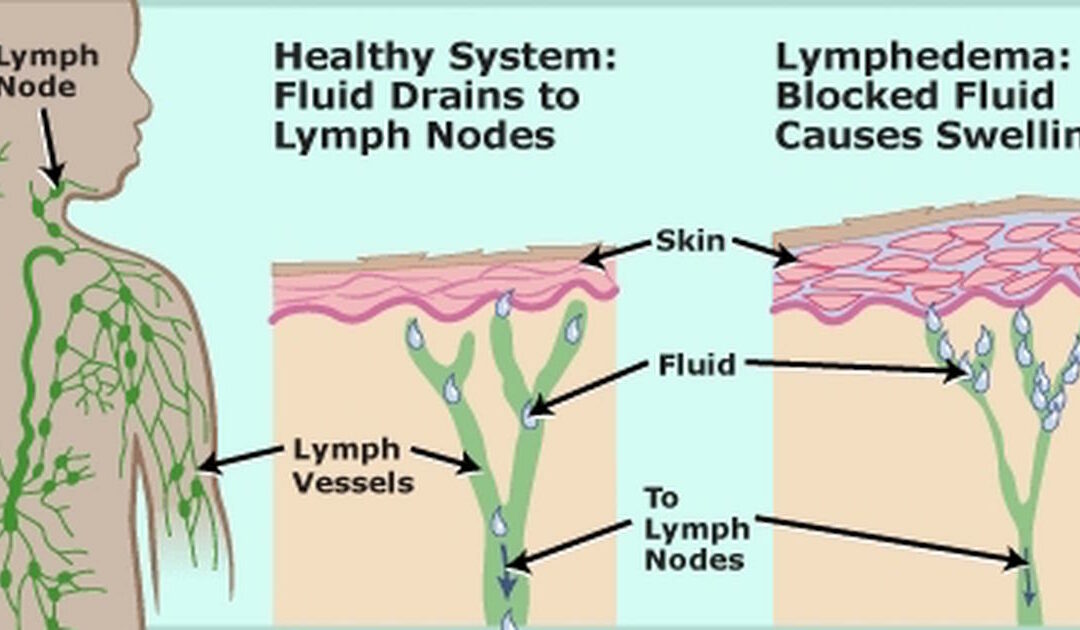
The lymphatic system is one of the most intricate networks of tissue and organs. It plays an imperative role in the nourishment and regeneration of cells, keeps the immune system healthy, filters metabolic waste and is imperative to the detoxification process for the whole body.
A perfectly functioning lymphatic system will dispel toxins that can be harmful to both the health of the skin and the immune system. With a sluggish lymphatic system, impurities may be trapped in cells, leading to a loss of elasticity, premature ageing and acne. The lymphatic system collects excess fluid (lymph) that drains from tissues and cells and returns it to the bloodstream. It is an important part of the immune system, producing and releasing lymphocytes – the white blood cells – that monitor and destroy foreign bodies such as viruses, fungi and bacteria.
The lymph collects extra fluid drained from the tissues and cells. It is often recognized as the clear yellowish fluid that accompanies blood, for example when a pustule is extracted. The lymphatic system is not part of the vascular system and therefore does not have the benefit of the pumping action of the heart to keep it circulating and moves only in an upward direction away from gravity.
Already having a battle with gravity, the lymphatic system has other factors creating negative side effects such as environmental toxins, a poor diet high in processed foods, inadequate sleep, stress, dehydration and a lack of exercise.
Some of the signs of a compromised lymphatic system may include:
skin hardening and thickening,
swelling in fingers,
bloating and excess weight,
enlarged lymph nodes,
cold hands and feet,
increased flu,
colds and sinus infections,
chronic fatigue,
dry or itchy skin,
acne,
rosacea,
digestive issues.
Fortunately, there are simple things that can be done at home and also in the clinic, in order to stimulate the lymphatic system to help reduce signs of rosacea, acne, puffiness and dry aged skin.
One of the easiest things to do at home is to increase exercise. The contraction of the muscles during exercise pumps lymph movement from the inside out. Alternating hot and cold water in the shower both dilates and contracts the natural pump action to force the toxins out of the body. Dry body brushing for several minutes each day prior to showering stimulates both the lymphatic system and the natural oil production.
Deep breathing deep within the diaphragm acts as a pumping action transporting the toxins into the bloodstream and then to the liver for detoxification. Drinking water each day, at least 1-2 litres, will help cleanse and hydrate the body. Caffeine and alcohol should be decreased in quantity as they can lead to dehydration. In-Clinic treatments may include the relaxing Lymphatic Body Booster which can be utilized while having a facial treatment such as PEMF, Radio Frequency, or manual lymphatic massage.
One of the goals of Clinical treatments is to provide strengthening of both the blood and the lymphatic flow in order to reduce the underlying inflammation which can be seen as redness, acne and aged skin.
The lymphatic system is a delicate and imperative system within the body and if not tended to promptly the vessels may end up physically damaged, functionally inactive and too inflamed to flush excess fluid and toxins out of the body. Lockdown has been a challenge on so many levels, give the body the TLC it deserves when you are wanting it to stand in good stead and help you look and feel fabulous.

by Sue Carroll | Oct 16, 2021 | Uncategorized
Has mask wearing and winter compromised the barrier of our skin?
Generally, our bodies do fairly well at protecting themselves, but when it comes to our skin barrier, day to day life really takes its toll. A compromised barrier creates a lot of challenges for our skin including faster ageing, dryness, sensitivity, irritation and redness.
The skin barrier serves an important function in protecting the body from infection, toxins and other DNA damageing elements. In the Clinic we are seeing more cases of compromised skin barrier than ever before as a result of stress, overuse of active or harsh ingredients, environmental aggressors (extreme weather, allergens and pollutants), overexposure to the sun, over-exfoliating, over washing, harsh detergents, soaps and hand sanitiser, medications, autoimmune diseases, genetic factors, blue lights from computers and smartphones and even overly aggressive professional treatments when the skin has not been prepared prior to treatment.
The dermal layer of the skin (the inner layer of the two main layers of the skin and includes connective tissue, oil, blood vessels and other structures) is the precursor to a strong epidermal layer (the thin outer layer of the skin that is visible to the eye) and a properly functioning barrier.
The barrier comprises of cells called corneocytes that are bound together by cement-like lipids. This very thin wall has a monumental job in keeping out harmful environmental pathogens and toxins and retaining our body’s water content. When the barrier is compromised the skin no longer effectively retains moisture, and its ability to protect itself is weakened.
As a result, compromised skin may exhibit
- a dull appearance
- dehydration
- inflammation
- visible capillaries
- redness
- increased sensitivity
- acne
- rosacea
- pigmentation and early ageing signs
The compromised skin requires resuscitating and revitalising with a combination of nutrients, vitamins and superstar antioxidants both internally and externally. Antioxidants, which consist of enzymes, minerals, and vitamins help to repair and prevent damage to our skin by slowing free radical damage, an oxidation process that leads to tissue and cell dysfunction. Antioxidants work by neutralising free radicals and inhibiting cell damage by preventing the oxidation of other molecules. They themselves are oxidised, which is what allows them to effectively eradicate oxidation chain reactions. Antioxidants are one of the main first line defenders against free radicals.
Antioxidants are not stored by the body and therefore they routinely need to be replenished both internally and externally. When it comes to antioxidants, the body and skin cannot get enough of a good thing. They are important in protection and prevention and are vital for fighting ageing. The first step is getting nutrients for internal use (Vitamin C – brussels sprouts, guava, citrus, and broccoli. Vitamin A – Spinach, liver, pumpkin, kale and carrots. Vitamin E – carrots, tomato, oats, wheat germ oil, walnut oil, and olive oil. Polyphenols – walnuts, dark chocolate, berries, and green tea.) naturally from superfoods. Bioflavonoids – sea-buckthorn, tea, citrus, onions and berries.
Applying antioxidants topically is also crucial for the external health, wellbeing and rebuilding the barrier of our skin. There are some specific antioxidants that will speed the healing and strengthening of the skin topically. These antioxidants focus on strengthening and nourishing the mitochondria to fight against the reactive oxygen species (ROS) that contribute to a compromised barrier.
These include spin trap, L-glutathione, superoxide dismutase (SOD), CoQ10, Vitamin A, Vitamin B, Vitamin C and heart of green tea. Compromised barriers also suffer from trans1 epidermal water loss (TEWL), which can be remedied with specialised lipid and hydration support with various humectants, hyaluronic acid, organic oils and omegas all of which will bind and seal moisture into depleted skin.
Each skin and the level of damage to the barrier is very individual and requires a customised approach to the restoration of the skin. The skin must go through several cycles to shed the compromised cells, making way for the new, healthy cells to come to the surface revealing healthy hydrated and radiant skin.
by Sue Carroll | Oct 9, 2021 | Uncategorized
Bumpy Arms, Thighs and Butts – Keratosis Pilaris
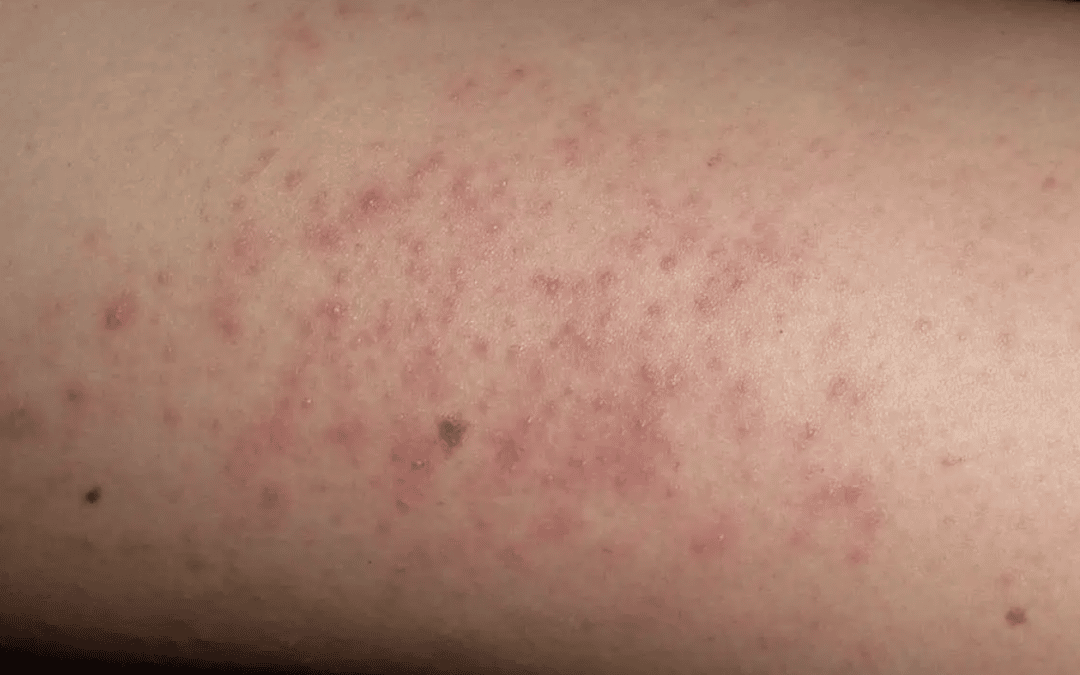
Do you have small white or red, rough bumps on your thighs, buttocks or upper arms? It might be a condition called keratosis pilaris. KP is a benign genetic condition that creates a build-up of the protein called keratin in the pores. The pores become clogged creating bumps on the skin. KP can also be associated with atopic dermatitis, hay fever and eczema and is predominant in women, sometimes occurring during pregnancy.
The skin is the largest and most beneficial elimination organ in the body and is responsible for one-quarter of the body’s detoxification each day. It will eliminate about five hundred grams of waste acid each day in the average adult, most of it through the sweat glands. The skin is known as our third kidney, it receives one third of all the blood circulated in the body. With all of this in mind it is the last to receive nutrients in the body, yet it is our barometer to show signs of imbalance or deficiency such as keratosis pilaris.
Manageing KP includes reviewing the products you are using both in the shower and afterward. Gentle exfoliation daily with a body brush before showering is an excellent and inexpensive method of exfoliation. Dry body brushing will also stimulate the natural oil production of the skin along with the lymphatic system which helps with the detoxification process of the body. Dry body brushing with a natural bristle brush every day will make your skin glow, removing dry skin, alleviating the appearance of KP and cellulite and contributing to the restoration of moist, supple skin. Dry body brushing has been used for years because the health benefits are so extensive, not only for our skin which is our largest organ but also for stimulation of our internal organs and assistance with the detoxification process.
Other benefits of dry body brushing are:
- assists with the reduction of keratosis pilaris and cellulite
- cleanses the lymphatic system
- removes dead skin layers
- strengthens the immune system
- stimulates the hormones and oil-producing glands
- tightens the skin preventing premature ageing
- tones the muscles when used in conjunction with regular exercise
- stimulates the circulation
- improves the function of the nervous system
- helps aid digestion
Follow dry body brushing in the shower with BION Naturally Clean Body Wash which will not dry the skin but will help to slough off dry dead skin cells and will leave the skin clean without being stripped of its natural moisturising factors. The natural antioxidant benefits of citrus peel and green tea extract work with Vitamin B5 to counteract surface bacteria and help soothe skin irritation. Naturally Clean provides mild exfoliation, sebum control and improved skin tone. The addition of 8 essential oils moisturizes the skin while you cleanse. The clean and refreshing citrus aroma creates a pleasurable shower experience. pH 4.5
An application of either AHAVA Dermud (Relieves painfully dry, itchy, bumpy, scaling skin with a mineral-enriched body cream made with Dead Sea mud. Its powerful, natural ingredients lock moisture in so skin feels rejuvenated and smooth again. Therapeutic Dead Sea mud helps reduce inflammation to soften and soothe skin. Dermud is a long-lasting cream formula made with jojoba seed oil sealing in moisture while Vitamin E helps protect skin cells to provide lasting hydration) or BION’s Glycolic Cream (The 20% glycolic acid and the intense softening agents help to exfoliate, smooth and soften rough skin. Thick, damaged and unsightly bumps and callouses on the arms, feet, elbows and knees are transformed to give a smooth appearance and feel along with providing both antibacterial and antioxidant benefits).
Some of the no-no’s to avoid when trying to treat keratosis pilaris are coconut-based ingredients, hot showers and do not pick the bumps.
Adhering to a dedicated daily routine of cleansing, exfoliating and moisturising your skin is the most effective way to combat and overcome the signs and symptoms of keratosis pilaris
The Lymphatic System and the Skin
by Sue Carroll | Sep 12, 2021 | Uncategorized
Clear, refined, fresh, even-toned, glowing skin is the ultimate desire for all of us who love our skin. To assist with achieving these results, exfoliation is a fundamental technique. Exfoliation comes in many forms and will ultimately help to reduce surface debris, dryness and a lacklustre appearance. It will also effectively prep the skin to receive key ingredients from serums, and treatment creams and will stimulate cell turnover and renewal.
Exfoliation can be in the form of either mechanical or chemical. Often when these techniques are combined the results are exponential. Chemical exfoliation will take the form of either a progressive, mid-depth or deep peel in the clinic.
While at home it may be with the daily application of an AHA/BHA (glycolic, mandelic, lactic, salicylic acid) serum, or Vitamin A serum, after cleansing and toning. Some of the better mechanical exfoliation treatments available in the clinic room are Microdermabrasion, JetPeel, Ultrasonic Deep Clean, Dermaplaning and Micro-hydrabrasion. Home techniques include the use of gauze with toning lotion after cleansing or a scrub.
Today we will look at a few of the in Clinic mechanical exfoliation techniques.
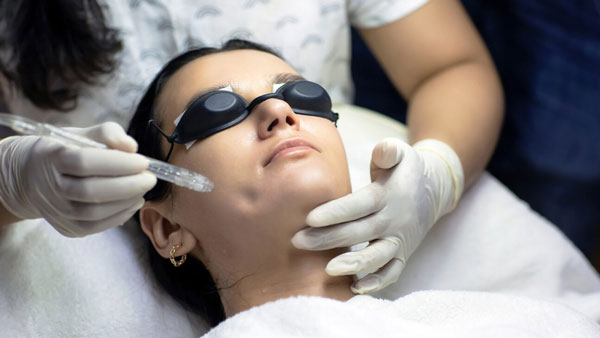
Focused on restoration and hydration, the JetPeel facial assists with making your skin red carpet ready. This gentle but effective treatment is a needle-free, pain-free, non-invasive aesthetic procedure incorporating the benefits of lymphatic drainage, exfoliation, intense hydration and oxygen infusion, all without downtime. This detoxifying exfoliation ritual dramatically improves the texture and appearance of the skin using a moisturising, oxygenated jet stream to resurface and then hydrate. It also uses pressurised oxygen to penetrate the skin with microdroplets of a cocktail of serums including hyaluronic acid, peptides and antioxidants. JetPeel is suitable for all skin types including mature, dry, rosacea, sensitive/reactive, and clogged skins.
The Ultrasonic Deep Cleaning treatment offers no downtime, is pain-free and is an effective procedure where ultrasound technology creating vibrations up to 28k hertz will gently remove keratinised skin cells and debris. The result when used in conjunction with a chemical exfoliant is nothing short of a dramatically smooth and radiant complexion. The Ultrasonic vibration can also create temporary open channels in the outer layers of the skin to infuse serums to boost the hydration and regeneration of the skin.
Microdermabrasion works on the outermost layers of the skin and is a skin-freshening technique that helps to repair skin on the face and body, which has taken a beating from the sun and the effects of ageing. Microdermabrasion polishes and buffs the skin to achieve a healthy glow and helps alleviate dull, dry and coarse-textured skin. It stimulates the production of collagen and elastin and may be used in conjunction with chemical exfoliation. It is also an excellent treatment to remove the rough skin of keratosis pilaris found on the upper arms and shoulders.
Dermaplaning is most beneficial for those with an uneven texture, hyperkeratotic build-up, vellus hair (also known as peach fuzz) and to remove surface skin cells so topical serums may penetrate more efficiently. Dermaplaning is a light shaving of the epidermis using a specific scalpel and should be performed by a well-trained aesthetician.
Similar to microdermabrasion, Micro-hydrabrasion is a clinical vacuuming system that exfoliates surface dryness with aluminium oxide crystals. In addition, streams of filtered water and aloe vera are used to achieve deep cleansing, helping to loosen impacted plugs in the skin and wash away soluble debris, whilst leaving your skin hydrated.
Depending on your skin condition and what you are wanting to achieve, any of these mechanical exfoliation treatments may be undertaken every week as a corrective strategy or every month as maintenance. They may be combined with relaxing facial treatments, clinical peels and/or LED light therapy. Clinical exfoliation treatments are like a workout for your skin by accelerating cell renewal, refining the texture, stimulating the tone and simply keeping your skin looking healthy and radiant all year round.

by Sue Carroll | Aug 28, 2021 | Uncategorized
What are the 9 crimes we commit against our complexion
While we are in lock-down, the best skincare treatments are not possible in the Clinic, so looking after yourself with the right skincare products and routines can still ensure a glowing complexion. There are however a few bad habits that are easy to fall into that will be crimes against your complexion.
-
Product Choice: many skincare products, no matter their price point, can take a few weeks to a month to reveal their true potential. As humans, we want a result even before we have opened the jar. It should happen through osmosis, right? Prioritise a daily routine with the correct products and the skin will respond in kind, producing a healthy complexion. It’s the things we do daily that enhance results. If you are switching products too often this can stress the skin creating adverse results. It is also important when using various brands to know how they are interacting with each other, so irritations are not the outcome.
-
Cleansing: this should be the first step in your morning and evening skincare routine. Keep in mind, you clean your teeth twice a day, clean and treat your skin with the same respect. Under washing is just as bad as over washing the face. Use lukewarm water with a pH-balanced cleanser so the skin is not stripped of its natural protective barrier, setting up irritations, dryness, and flaking.
-
Exfoliation: dull, lifeless skin can be revived with exfoliation. I usually suggest when using your toning lotion after removing the cleanser, to apply this with a gauze square. Too little toner will scratch the skin while too much is a waste of product and money. This regular form of cleansing and exfoliation is one of the best skincare routines you can do morning and night to ensure the last traces of cleanser, makeup and dry skin are removed and your serums that follow will be used to their maximum potential.
-
Sleep: the lack of sleep means the skin does not have the full ability to heal and repair itself. It will mean the cellular turnover slows down, the flow of blood to the skin is disrupted and the result is a sallow complexion. Over time sleep deprivation elevates stress levels which can increase skin conditions such as acne, psoriasis and eczema.
-
Alcohol: excessive alcohol consumption, whether it be each day or week, impacts the skin by showing signs of dehydration, making it appear sallow and increasing the appearance of fine lines and pores size. Alcohol can also have a negative effect on sleep which in turn will affect the skin.
-
Poor Diet: a good rule of thumb is to eat the colours of the rainbow when it comes to vegetable choices and to have a balanced diet with a choice from each of the 5 food groups. Remember each of us has different health requirements and often a consultation with a naturopath or dietician can be of assistance. Some of the key vitamins for the skin are D, C, E, and K. Essential fatty acids are good fats and are imperative for healthy skin.
-
Exercise: as well as improving our sense of well-being, flexibility and cardiovascular system, exercise increases the blood flow to the skin which will keep it healthy and glowing.
-
SPF: even on dull, cloudy days harmful UVA and UVB rays can damage the skin all year round. Using an SPF of at least 30 each day before entering outdoors and then reapplying every couple of hours will help to protect the skin and prevent premature ageing.
-
Makeup Brushes: these tools along with sponges if not washed every week at least gather dirt and bacteria. Using them daily just keeps spreading a build-up of colour, along with the dirt and bacteria all over the face creating poor makeup application and potential breakouts.
Crimes against the Complexion can be rectified simply with a little extra effort. Prevention is always less expensive than curing and your skin can maintain a healthy appearance.
by Sue Carroll | Jul 31, 2021 | Uncategorized
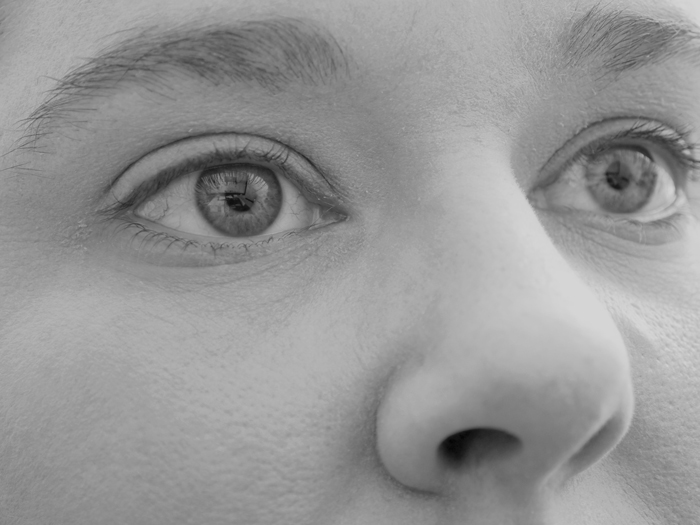
Our beauty within is revealed through our eyes. This does not mean they have to show our age. It is so frustrating when no matter how much sleep you get, someone will always let you know how tired you are looking. There are many options to improve the fine lines, wrinkles and hanging skin around the eye area which might include surgery, skincare, radiofrequency, Tixel, chemical neuromodulators, plasma treatments, or a combination of the above.
Compared to our facial skin, the skin around our eye area is as much as 10 times thinner. The eye area does not have as many moisture and oil glands as the rest of our skin, and this is one reason ageing shows very quickly in this area. This is another reason why the eye area needs a helping hand and more support than other skin areas of the face.
A new medical-grade treatment available is called the Tixel. It uses heat, or thermo-mechanical ablation, to resurface, rejuvenate and tighten the skin of the face, eyes, neck and body. It is safe to use right up to the upper and lower lash lines, making it a unique and result-driven treatment. The Tixel treatment can be used on its own, but may also be used in conjunction with surgery and other in-clinic procedures in order to improve the texture of the skin. The Tixel will deliver similar results to those of a fractional CO2 laser, but without the risks, pain and downtime. A most fascinating alternative way to use Tixel is to infuse ingredients including anti-wrinkle injection and hyaluronic acid. This will assist in reducing the crepey texture and help with deep hydration of the skin in the orbital area. It is normally suggested to have 2-3 treatments that are spaced 4 weeks apart.
An alternative treatment for skin tightening and wrinkles is using the Accor Plasma Cosmetic Corrector. This is a gentle and low pain procedure, where the conductor tip creates a tiny plasma flash from the tip of the needle. The tip does not touch the skin but leaves the skin with very small, superficial brown carbon spots that look like a henna tattoo. These small dots contract the skin in their direct surroundings and will shrink and tighten the skin. This is a non-surgical treatment providing a result where the skin has shrunk and wrinkles and small bags have been reduced. Again normally 2-3 treatments are scheduled about 2-3 months apart.
The use of neuromodulators such as anti-wrinkle injections, along with fillers using hyaluronic acid is an amazing treatment when performed by qualified injectors. The easiest treatment for the furrows between the brows and the crows’ feet at the sides of our eyes is injecting a neuromodulator. These injections temporarily disrupt the muscle contraction in the eye area and therefore reduce the appearance of the wrinkle. The neuromodulator can also be used to give the eye a browlift, allowing a more youthful and awake appearance. This usually lasts 3 months and if the result is to be maintained the injection is then repeated. The hollows under the eyes can be injected with a very fine filler. The filler can also reduce the appearance of darkness which may be caused by the loss of volume as we age. This injection may last from 9-12 months depending on how active we are and our overall health and age.
Radio Frequency and PEMF treatments are the most relaxing and effective when it comes to a gentle firming and hydrating result. These treatments stimulate the circulation so efficiently, we have seen in our clinic the reduction of puffiness, darkness and fine lines. The warmth of the RF wand is so relaxing we often see clients going to sleep during their treatment. These treatments are necessary to be performed every 5-7 days over a 6-8 time frame. In order to maintain the result, it is recommended to have 1 every month. Radio Frequency is one of the best treatments to be used in conjunction with surgery, Tixel and Plasma.
The delicate periorbital area needs some extra love and attention, compared to the rest of the face. When combining a healthy internal lifestyle and a proactive external clinic treatment regime, the eyes will reflect our own kind of beauty, being the best version of ourselves.
by Sue Carroll | Jul 19, 2021 | Uncategorized
Skin Facts You Might Not Know
A few snippets of information we are regularly asked in the Clinic.
Dead Sea Salt is blessed with at least 21 different minerals. It is extremely high in the magical mineral, magnesium, the king of all nutrients and our anti-stress mineral. One of the best ways to get minerals into our system is through our skin,and it has been proven that taking baths with dead sea salts will elevate minerals in our system.
Minerals applied topically to our skin creates an osmotic pump. Unlike Epsom Salts, Dead Sea Salts are 100% pure sea salt, naturally dehydrated in the desert sun. Do not remove the salt after your bath, dry your skin and then apply generously a dead sea salt body cream such as the AHAVA Dermud. Enjoying a Dead Sea Salt bath inspires wellness and self-care along with easing muscle aches, calming the mind and eliminating pathogens all in one sitting
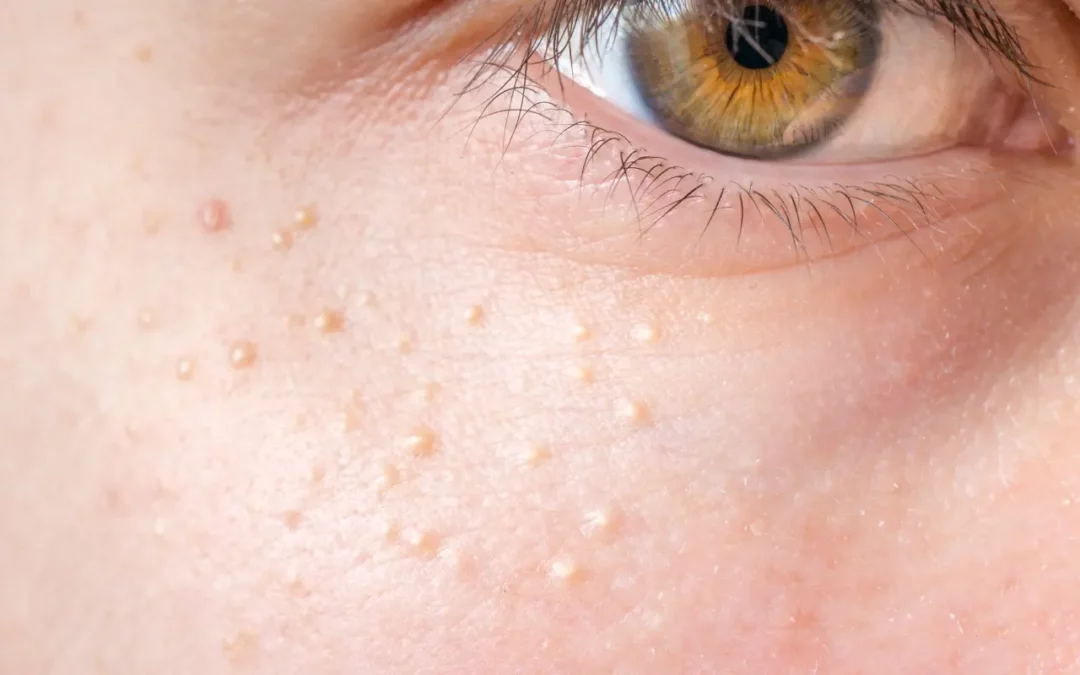
White bumps appearing on our skin may be milia or whiteheads. These often appear around the hairline, forehead, and nose in adults, teenagers, young children, males and females. There can be a few causes of milia ranging from an overproduction of oil or sebum to face and hair product ingredients.
When undergoing treatment to remove or improve milia:
-
Follow a well-balanced diet with lots of water and eat the rainbow (all colours of fruit and vegetables). Reduce sugar and all refined carbohydrates and include good fats.
-
Change bed linen each week and pillowcases every other day
-
Do not wear hats where possible, as they will trap oil, dirt, sweat and coconut-based ingredients
-
Check product ingredient index lists found on the back of products and reduce coconut-based ingredients, waxes and silicones as much as possible
-
Clean makeup sponges and brushes.
-
Do not pick, as a milia cannot be squeezed out. The end result can be infection, scarring and PIH (post-inflammatory hyperpigmentation).
-
Cleanse and tone (using gauze squares morning and night) using pH-balanced products so the skin is not stripped of natural oils which act as a protective medium to help stop bacteria from entering the skin. When using a treatment product they usually contain plant extracts and a combination of mandelic, salicylic or glycolic acids. Just as you clean your teeth morning and night, do the same for your facial skin with appropriate home care products that are specific to your skin concerns
-
One of the easiest methods of treating milia is with a treatment in a professional clinic using diathermy (a treatment using a fine needle and a high-frequency electric current). Often only 1 treatment is required, dehydrating the milia, and within a week they have dissolved, leaving the skin clean and bump-free. Remember this is treating the condition but is not preventing new milia from forming.
-
If the milia are large it may be professionally lanced and extracted by a qualified aesthetician
If you are not sure if your white bumps are milia check with your doctor, dermatologist or professional aesthetician/dermal therapist.
Tinted Sunscreens are ideal for everybody’s regular skincare regimen. It has been proven by scientific findings that sunscreens, which normally contain iron oxides, provide much more protection compared to regular sunscreen. It is true that we need to discuss sunscreens even in winter.
Sunscreens need to be considered as part of your daily skincare regimen to prevent sun damage, instead of as an extra step taken to prevent sunburn during outdoor occasions. This is especially relevant for Australia since the sun is so damageing,and therefore sunscreen needs to be worn year-round on any exposed areas. Especially on the face to prevent the risk of melanomas and skin cancers, chronic skin inflammation, and premature ageing.
Tinted Sunscreen provides optimum protection as well as a number of important skincare benefits including antioxidant protection, soothing, and hydrating.
by Sue Carroll | Jun 1, 2021 | Uncategorized
After an outdoor lifestyle during the hotter months, we are left with the ravages which are reflected on our skin in the form of hyperpigmentation or brown marks.
As the season changes, the humidity dissipates and the cool weather brings welcome relief from the heat of summer, it is the perfect time to review our skincare concerns, practices, and home care regime.
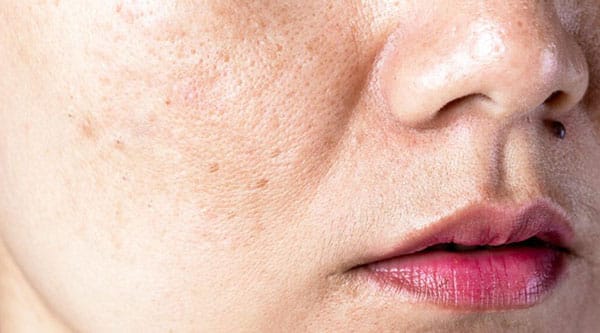
Many of us aim for glowing, radiant skin, but regrettably, many also battle some level of hyperpigmentation. It is not a skin type, rather a common condition brought on by many factors ranging from medicines to sun exposure to hormonal changes and trauma or acne.
Any skin type can experience Hyperpigmentation – dry, oily, dark, also light. Simply put, it is the extreme stimulation of melanin in the skin that produces darkened, uneven, skin tone. Extreme melanin production can occur from systemic (with-in the body) and extrinsic (outside the body) causes.
There are numerous explanations of hyperpigmentation (dyschromia) and uneven skin tone as well as several depths of harm to the skin. The changes indicated in the skin happen as melanocytes are either destroyed causing hypopigmentation or over-stimulated, resulting in hyperpigmentation.
Our melanocytes, or colour producing cells are there for the protection of the cell initially. We require them in order to assist combating the impact of UV rays. Nevertheless, after that security process has actually taken place you are now entrusted with underlying damage and we see this in the kind of pigmentation.
Types of Pigment Changes Include:
-
Hyperpigmentation – darkened pigment
-
Hypopigmentation – no melanin
-
Demarcation – irregular pigmentation from picking, scratching and procedures
-
Melasma – Patches that appear denser and larger
There Are Three Types of Hyperpigmentation:
-
Epidermal – the surface is not as dense and light brown in colour
-
Dermal – The Skin is ashen-grey and deep brown, it also seems more solid
-
Mixture – Both levels are usually dark brown
Some Typical Causes of Hyperpigmentation Can Include
PIH (Post Inflammatory Hyperpigmentation)
Birth Control Pills Estrogen (HRT)
Pregnancy
(Melasma) Long-Term Sun Exposure
Acne
Razor Bumps
Severe Sunburn
Eczema,
Chemical Irritations, Electrolysis
Certain Prescription Medications
Chicken Pox Picking
Scratching, Insect Bites
Trauma to Skin
Surgical Procedures
Perfumes Sprayed on Sun-Exposed Areas
Two primary elements that affect hyperpigmentation are the sun and heat. So please wear an SPF during the day, stay cool and be careful with overuse of products that contain hydroquinone. This active ingredient remains in numerous non-prescription lightening items and has numerous debates connected with it. Your skin may develop resistance, or immunity, and can even end up being darker with continued use of hydroquinone.
Professional Treatments
The goal for the in-clinic treatment is to combine both brightening and skin building treatments and active ingredients which will assist with reducing hyperpigmentation, sun damage concerns, and assist with resetting the skin towards healthy, clear and radiant.
There are numerous outcome-driven peels offered in the hands of a qualified expert, ranging from progressive to mid-depth and deep peels. One such peel is the Pigmentation Solutions Peel which is a progressive to mid-depth peel designed to begin cellular turnover, enhance skin and lower pigmentation. With simply the right balance of TCA (Trichloroacetic Acid), sake and potent melanin suppressors, skin will be left toned and fine-tuned for luminous skin.
Other Clinical treatments available to assist with lowering colouring are IPL (Intense Pulsed Light), Skin Needling, Nano-Fractional Laser, Fractional Laser, Q-Swithch Yag, Diathermy and Tixel.
When any intensive in-clinic treatment is undertaken, it is recommended to prepare your skin with supportive home care products to assist with strengthening and/ or lightening the skin for at least a few weeks prior for optimal results. This will help in the preparation of the melanocytes so there are no rebound results such as darker spots of pigment a couple of weeks post-treatment.
Diagnosing and repairing hyperpigmentation and sun damage is sadly not one size fits all. In order to reveal the best version of you, a mix of excellent house care and in-clinic professional treatments is typically the very best method to help with healthy, glowing and more youthful skin.
by Sue Carroll | Mar 25, 2021 | Uncategorized