by Sue Carroll | Feb 11, 2024 | Uncategorized
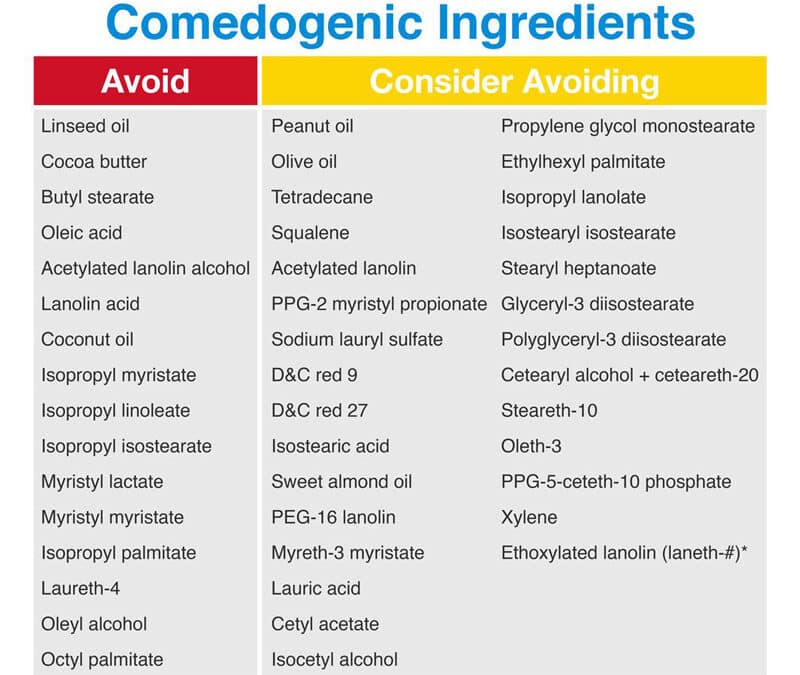
We have all used products where we end up with our skin blocked and spotty. These products can be anything from shampoo, conditioner, moisturiser, makeup or self-tanning products when applied to the skin or hair. Ingredients creating blocked follicles are known to be comedogenic.
A comedogenic component means that it can clog the pores. This is done by accumulating follicular hyperkeratosis – increased keratin production in the hair follicles. Over time, this may lead to blackheads, milia, sebaceous hyperplasia and clogged follicles. These symptoms do not always transpire quickly; it may take months of using a comedogenic product before it becomes obvious. Each person’s skin chemistry can determine the degree of an ingredient’s comedogenicity; therefore, it is highly mutable between people. One person may not react, while another may have disproportionately clogged pores in just a few short weeks.
Even ingredients not typically comedogenic can create havoc depending on our exclusive skin enzymes. Human sebum is inherently comedogenic, so even if you are prone to clogging and try to avoid all comedogenic ingredients, it is not certain protection against blackheads.
Some ingredients that may be comedogenic are petroleum derivatives, cocoa butter, oleic acid, sodium lauryl sulphate, coconut oil, wheatgerm oil, palm oil, linseed oil, isopropyl palmitate, isopropyl isostearate, butyl stearate, myristyl myristate, decyl oleate, octyl stearate, octyl palmitate, Isocetyl Stearate, propylene glycol-2, lanolin and coal tar derivatives. It is important to be aware that a product containing a comedogenic ingredient may not be a bad product choice for someone who is not prone to acne and blocked pores.
Comedogenic list inconsistencies are based on numerous elements. First, depending upon the component strength of that ingredient within the formula is vital. A formulation is not only a sum of its parts – component combinations can make a comedogenic ingredient into a non-comedogenic ingredient and vice versa.
Secondly, the process in which a component is extracted and treated plays a role.
Third, the source of the raw material can affect its rating.
Although comedogenicity is not an exact science, there are points to be aware of to help reduce the adverse effects of a product.
- Please read the ingredient index list on the back of the bottle or packageing and compare it with the comedogenic list
- Ensure shampoo and conditioner are thoroughly rinsed from your hair and keep it tied back at night to help reduce the leave-in residue pressed into and against the skin.
- Oil-free does not mean it is non-comedogenic
- Do not leave makeup on the skin overnight. Instead, ensure cleansing and toning with gauze and toning lotion occurs. For optimal results, cleansing and toning is done morning and night followed by serums and treatment creams prescribed by your skincare professional.
- Using either a retinol, mandelic, glycolic, lactic or BHA serum at night can assist with skin refinement and decongesting the skin
In-clinic treatments can help remove/reduce blockages in the skin. One of the most effective treatments is the Skin Classic, also known as Diathermy. It is an effective and affordable non-laser treatment for minor skin imperfections such as blackheads, milia and sebaceous hyperplasia. When related to skin blockages the Dyathermy will dehydrate the oil and reduce or remove the blockage completely. Treatments are relatively quick, with little discomfort, provide instantaneous results with no anaesthesia and healing times that vary from 5 to 10 days to a few weeks for larger skin conditions. Best results are achieved when used in conjunction with a prescribed skincare routine to ensure the blockages are not reoccurring.
Many factors can lead to comedones, milia and sebaceous hyperplasia, including the skin’s natural oils, dead skin, makeup or other products becoming lodged in the pore. Do your homework with the ingredient index and follow a prescribed skincare programme and the risk of blockages in the skin will be reduced.

by Sue Carroll | Jan 17, 2024 | Uncategorized
Look into the Crystal Ball for 2024
The aesthetic profession is in constant flux, always evolving with the latest trends and technologies in health, wellness, and self-improvement. 2024 is no exception, bringing forward innovations that help us look and feel our best, inside and out.
Cold Plunge Therapy and Breathwork
Health clubs, fitness centres, and wellness retreats are helping individuals recover muscles through cold plunge treatments and breathwork practices. Cold water therapy, such as ice baths, has been found to boost circulation, enhance resilience, and reduce inflammation. When combined with breathwork, which focuses on mental and emotional health, these treatments provide a balanced approach to overall well-being.
The Return of the 90s Skinny Brow
The iconic skinny brows of the ’90s are back in vogue, with many top celebrities and beauty influencers championing this look. It’s worth noting the importance of maintaining healthy brow grooming to avoid the irreversible damage seen in the past.
Time-Efficient Skin Treatments
Busy clients are increasingly seeking out efficient, quick, yet still relaxing skincare treatments. Combining high-tech and high-touch approaches, treatments like HIFU GLOW, China Doll facials, Hollywood Red Carpet Facial, Tixel Infusion, and JetPeel offer quick yet relaxing results, catering to the needs of time-poor clients.
Mind-Body Beauty
The future of holistic wellness is mind-body beauty, intertwining mental, emotional, and physical health. This holistic approach acknowledges that overall wellness cannot be segmented, and achieving true health means nurturing both the mind and body in unison.
Pre-Rejuvenation Treatments
Pre-rejuvenation therapies are becoming immensely popular among younger demographics. These proactive measures help maintain skin laxity, even out skin tone, and reduce textural changes before signs of ageing become visible. This trend is all about maintaining a flawless complexion from an early age.
Advanced Fillers
Fillers have come a long way, with hyaluronic acid-based options offering more tailored results. These minimally invasive procedures can restore volume and enhance facial features without the unnatural look often associated with fillers. New techniques, such as injecting fine hyaluronic acid into lip lines, help reduce “barcodes” and achieve a more youthful appearance.
Mushroom-Based Skincare
Mushrooms, long used in Traditional Chinese Medicine (TCM), are being reintroduced in modern skincare for their well-documented benefits. Known for their ability to boost collagen production, brighten, hydrate, and provide anti-inflammatory and antioxidant benefits, mushroom-based ingredients are being revamped and reintroduced in modern skincare formulations.
Embracing Natural Beauty
There’s a growing desire to let natural skin shine through, with makeup being used to enhance rather than conceal. The rise of skin hybrids, combining skincare benefits with a hint of colour, exemplifies this trend. Products like BB and CC creams are evolving to provide nutrients and save time, although they should be reserved for daytime use.
AI in Aesthetics
Artificial Intelligence applications are now scanning skin and providing personalised homecare advice, revolutionizing the aesthetic industry. AI-powered apps can now scan the skin and offer personalised homecare recommendations, making it easier for individuals to maintain their beauty regimens.
Healthy Aging
The concept of healthy ageing is shifting focus from merely looking young to maintaining a healthy mind, body, and spirit. In 2024, the emphasis is on holistic wellness, ensuring that all aspects of health are nurtured to achieve a balanced and vibrant life.
In conclusion, 2024 promises to be an exciting year for the aesthetic profession, with trends and innovations that enhance beauty and promote overall wellness. From advanced treatments and holistic approaches to the integration of AI, the future of aesthetics is bright and full of potential.
by Sue Carroll | Sep 3, 2023 | Uncategorized
Colour Correction, Skin Firming, Refinement and Radiance. What Treatment Do I Choose?
Texture, tone and colour all play a huge role in defining the appearance of healthy skin. There are many treatments available to improve the texture and complexion of your skin by reducing hyperpigmentation, and fine lines, clearing acne, improving pore size, reducing scarring and simply brightening the skin. But where to start, what to have and what to combine it all with, for the best possible result.
RF Skin Needling is a revolutionary skin tightening and firming treatment, which utilizes a combination of percutaneous needling and radio frequency to induce the tightening of elastin fibres and induce collagen production. A set of tiny needles creates controlled micro-injuries on the skin’s surface. These tiny needles also deliver radiofrequency energy to the deeper layers of the skin, promoting collagen production to firm the skin. By incorporating both the radio frequency and the use of the microneedles, the end result is a firming from the RF and a refinement of the skin texture. This treatment is also beneficial when treating stretch marks and scarring. If the skin is in a less than optimal condition it is a great choice to start with 2-3 skin needling treatments spaced about 7 days apart and then embark on the RF needling treatment which can be performed every month for 2-3 treatments with very minimal downtime.
Surface rejuvenation and toning with the Q switch laser is a gentle and non-invasive treatment that works by stimulating the deeper layers of the skin. A very short delivery system gently heats the skin, is able to shatter pigment, stimulate collagen production and assist with skin refinement all without downtime. The Q switch laser toning system is good for all skin types, particularly those who suffer from acne, blocked or enlarged pores, dull skin, pigmentation and simply those who wish to step up from their facial peels and treatments. The Q switch laser treatment may be added to a fractional laser treatment for a boost in results. It may also be used in the China Doll or Hollywood skin treatment for that special occasion.
Over time and then added stress in our lives, the underlying changes to the skin result in fine wrinkles, lines and sagging skin. HIFU is a treatment that works to lift and tighten the skin, and at the same time reduce fine lines. HIFU works by delivering ultrasound energy non-invasively to heat the skin tissue at numerous depths, from 1.5mm and up to 4.5mm for the face and up to 13mm for the body. This will trigger a natural regenerative reaction that promotes the development of new collagen and contracts the fibres for the firming effect. After the HIFU treatment, you can return to work the next day, with no visible downtime, occasionally a feeling of slight bruising may last for 2 weeks due to the depths the ultrasound has penetrated. It must be remembered nothing will replace a facelift but often when postponing this procedure, this might just be the next best thing when combined with IPL for colour correction, RF Needling for skin refinement and a little injectable here and there.
Fractional laser delivers multiple, microscopic columns of light energy into your skin to emulate micro-wounds which will in turn stimulate your skin’s natural healing and rejuvenation. Fractional laser is an effective treatment for pigmentation, fine lines created by the sun, scarring and general skin refinement. This treatment has a few days of minimal downtime and can be repeated every 4-6 until the desired results are achieved.
An old favourite and a great treatment to start with before all treatments is the IPL -Intense Pulsed Light. IPL uses multiple wavelengths and will treat both capillaries and pigmentation in the same treatment. Darkening of pigment is seen immediately post-treatment and can last 7-10 days and will then be sloughed off.
It is so easy to restore your confidence and natural beauty when you are guided by a professional aesthetician. Working with the inside and the outside, real beauty is much deeper and longer lasting and will radiate to the world. When you are not sure of what treatment is best for you, instead of guessing, simply book a consultation with your aesthetician and be guided by their expertise.
by Sue Carroll | Jan 1, 2023 | Uncategorized
Trust Your Gut When it Comes to Your Skin
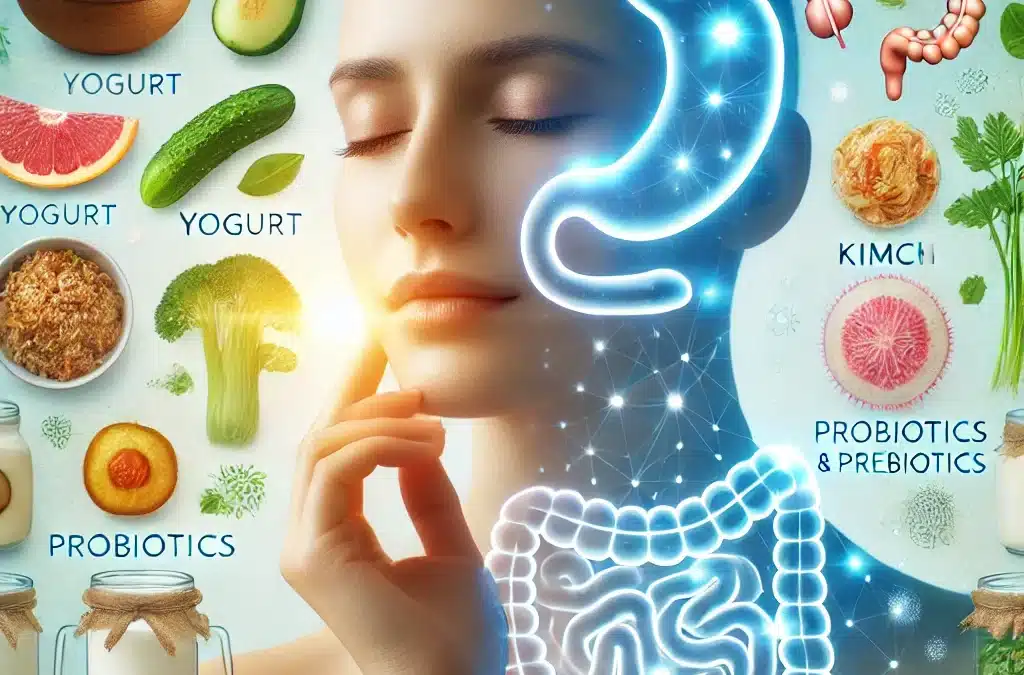
In order for your skin to look good, it is dependent upon how you treat it from the outside and the inside. You may have heard the term gut-skin axis. Our skin is like a window to our gut, if you are suffering constipation, diarrhea, bloating or gas there is a good chance you may be experiencing facial dryness, rosacea, acne or other inflammatory skin conditions. These are some of the symptoms of poor gut health and research has shown by addressing your gut health through diet, lifestyle and supplemental support you will be glowing from the inside out.
The gut is often referred to as our second brain and has a definite link with both our well-being and skin health. While our gut is certainly not one of the most glamorous organs in our body, 1-2 kgs of microbes that live there, form each person’s unique microbiome. Our brain isn’t the only organ in control of our emotions – 95% of serotonin, the body’s happy hormone is created in the gut and also has a profound effect on our physical, mental and emotional balance. Without good gut health, we are unlikely to be absorbing efficiently the nutrients we are taking in and therefore our skin will reflect our poor health. Our gut bacteria are important to assist with producing micro-nutrients like vitamins and antioxidants from the food we ingest. Our gut will also support the breakdown of macro nutrients such as carbohydrates, proteins and fats to ease digestion and keep our colon healthy.
Some of the signs of poor gut health might be food allergies, poor memory, autoimmune disease, diabetes, anxiety, depression, hormonal imbalances, low energy, dark circles under the eyes, frequent infections, mood swings, interrupted sleep, acne, dry skin, rosacea, eczema, psoriasis and dermatitis.
When the regulatory balance in the gut is evident this in turn creates an inflammatory response which will often show up in the skin with one or more of the above conditions. Remember our skin is our largest organ and is often the outside mirror for what is happening on the inside. If the skin is inflamed, it usually means our inside is screaming out to us for help on the inside. The gut microbiome and the skin are intrinsically connected, offering a defence against pathogens in the environment. This gut-skin axis has been linked to many inflammatory skin disorders. When there is dis-ease within the gut there is often inflammation in the skin.
So how can you keep your gut healthy? A good rule of thumb is to eat a wide variety of nutritious whole foods from all food groups, which will also contain a lot of plant foods that are beneficial for your gut bacteria. An easy way to think of good food compared to that which may not be so healthy is to limit drastically food which comes in a packet. One of the best kinds of food for good gut health is that which is fermented such as yoghurt, kimchi and apple cider vinegar as they are overflowing with good probiotics. These support our immune defences and can also help to break down foods we can find hard to digest. The second way to support good gut health is through prebiotics found in foods like barley, beans, garlic, onions, cabbage, asparagus and legumes. A good nutritionist or naturopath may assist with your gut health.
While you are working on your inside with a good health professional, the external inflammation can be reduced with in Clinic treatments such as the Jet Peel Exfoliation and Infusion. Often the skin will be experiencing dryness, flaking, acne and inflammation and when these are reduced through gentle but effective, cooling exfoliation techniques, hydrating and calming serums can be absorbed much more effectively assisting with topical results.
By making simple changes to your diet and correcting any underlying imbalances in your gut your skin will thank you for it with a radiant complexion.
by Sue Carroll | Sep 13, 2022 | Uncategorized
What Is Comedogenicity
We have all used products where we end up with our skin blocked and spotty. These products can be anything from shampoo, conditioner, moisturiser, makeup or self-tanning products when applied to the skin or hair. Ingredients creating blocked follicles are known to be comedogenic.
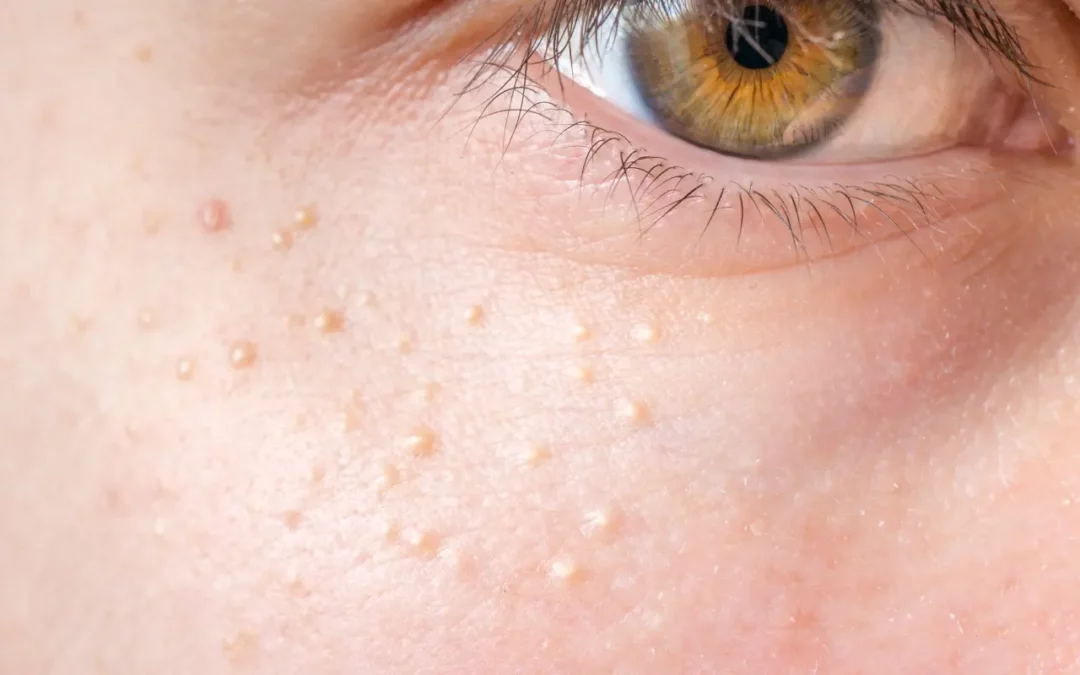
A comedogenic component means that it can clog the pores. This is done by accumulating follicular hyperkeratosis – increased keratin production in the hair follicles. Over time, this may lead to blackheads, milia, sebaceous hyperplasia and clogged follicles. These symptoms do not always transpire quickly; it may take months of using a comedogenic product before it becomes obvious. Each person’s skin chemistry can determine the degree of an ingredient’s comedogenicity; therefore, it is highly mutable between people. One person may not react, while another may have disproportionately clogged pores in just a few short weeks.
Even ingredients not typically comedogenic can create havoc depending on our exclusive skin enzymes. Human sebum is inherently comedogenic, so even if you are prone to clogging and try to avoid all comedogenic ingredients, it is not certain protection against blackheads.
Some ingredients that may be comedogenic are petroleum derivatives, cocoa butter, oleic acid, sodium lauryl sulphate, coconut oil, wheat germ oil, palm oil, linseed oil, isopropyl palmitate, isopropyl isostearate, butyl stearate, myristyl myristate, decyl oleate, octyl stearate, octyl palmitate, Isocetyl Stearate, propylene glycol-2, lanolin and coal tar derivatives. It is important to be aware that a product containing a comedogenic ingredient may not be a bad product choice for someone who is not prone to acne and blocked pores.
Comedogenic list inconsistencies are based on numerous elements. First, depending upon the component strength of that ingredient within the formula is vital. A formulation is not only a sum of its parts – component combinations can make a comedogenic ingredient into a non-comedogenic ingredient and vice versa.
Secondly, the process in which a component is extracted and treated plays a role.
Third, the source of the raw material can affect its rating.
Although comedogenicity is not an exact science, there are points to be aware of to help reduce the adverse effects of a product.
- Please read the ingredient index list on the back of the bottle or packageing and compare it with the comedogenic list
- Ensure shampoo and conditioner are thoroughly rinsed from your hair and keep it tied back at night to help reduce the leave-in residue pressed into and against the skin.
- Oil-free does not mean it is non-comedogenic
- Do not leave makeup on the skin overnight. Instead, ensure cleansing and toning with gauze and toning lotion occurs. For optimal results, cleansing and toning is done morning and night, followed by serums and treatment creams prescribed by your skincare professional.
- Using either retinol, mandelic, glycolic, lactic or BHA serum at night can assist with skin refinement and decongesting the skin
In-clinic treatments can help remove/reduce blockages in the skin. One of the most effective treatments is the Skin Classic, also known as Diathermy. It is an effective and affordable non-laser treatment for minor skin imperfections such as blackheads, milia and sebaceous hyperplasia. Diathermy will dehydrate the oil and reduce or remove the blockage when related to skin blockages. Treatments are relatively quick, with little discomfort, and provide instantaneous results with no anaesthesia and healing times ranging from 5 to 10 days to a few weeks for larger skin conditions. Best results are achieved when used in conjunction with a prescribed skincare routine to ensure the blockages are not reoccurring.
Many factors can lead to comedones, milia and sebaceous hyperplasia, including the skin’s natural oils, dead skin, makeup or other products becoming lodged in the pore. Do your homework with the ingredient index and follow a prescribed skincare programme, and the risk of blockages in the skin will be reduced.
Here is a link to a great article
For other related posts see the links below
Shining the light on Hyperpigmentation
The Lymphatic System and the Skin

by Sue Carroll | Jul 13, 2022 | Uncategorized
Men vs Women Are They Different?
Do Men & Women Have Different Skin? Our largest organ, the skin, has many similarities between men and women, but there are also some key differences. Men’s skin is recognised as different from women’s by the top skin care companies worldwide.
Hormones will always be the main difference between men and women, which is the first step to explaining the differences in men’s skin. The androgens, particularly the hormone testosterone, attach to the receptors in the dermis and epidermis, creating noticeable differences in the male skin physiology.
Essentially there are six primary differences between men’s and women’s skin.
- Men have slightly oilier skin than women. This is because their sebaceous or oil-producing glands are smaller, but their skin has a higher secretion of sebum. Oilier skin can be more prone to open pores, blemishes and acne. Considering this, men’s skin care products, starting with their shaving system, will factor this in to offer more balance for sebum production.
- Men have more facial hair than women, which is more coarse and tough. When choosing a shaving protocol, consider both the condition of the skin and the hair texture to help avoid pseudofolliculitis – aka ingrown hairs. This is where the coarse hair grows sideways in the skin follicle and is caused mainly by shaving. Where possible, the wet shaving method will produce a better and more consistent shave, reduce razor burn, skin irritations, and ingrown hairs and produce a clean and healthy appearance. Men’s skincare products that control infection and reduce cellular blockages will help to eliminate this problem.
- Men’s skin is slightly more acidic and has an overall sweat composition that contains more AHA and lactic acid, contributing to the skin’s acidity. Washing the skin is the first step in any skin care programme. Most face washes or soaps men use have a very high pH level, undermining the skin’s natural defence system. The perfect face wash for men will clean, energise and maintain the skin’s natural acid mantle, producing healthier skin.
- Most men experience more sensitive skin compared to women. This may be seen in the form of flaking, dryness and redness. Starting with the irritating effects of shaving, incorrect products and regime, and other damageing conditions such as wind, cuts, sun, the use of hot water, and chemicals will increase skin sensitivity.
- Physiologically male skin has more active fibroblast cells compared to women. This results in an increase in collagen production, which means thicker skin. Thicker skin has many advantages, but it also has a downside whereby their skin may have more and deeper facial lines and more age spots. Men’s skin cells also carry fewer antioxidants, which can increase the number and depth of facial lines and pigmentation marks. When men look after their skin from an early age with sun protection and preventative repair serums and treatment creams, they can maintain skin tone, strength and a marked reduction in wrinkles.
- The rate of skin cancer is also higher, particularly in Caucasian men. The most common form of skin cancer in men is melanoma, generally found on the neck, upper back, ears and face. For maximum sun protection, a good sunscreen with zinc oxide must be used daily as it will contain a naturally higher occurring sun protection factor.
Men are wanting result-oriented treatments and products, but they still want simplicity. Many of the time-proven, effective ingredients will deliver the same benefits to both sexes, but it is the levels within the formulas that make the difference. A scientifically formulated skincare range and treatment programme will be focused on five simple but critical skin laws: cleanse, exfoliate, tone, restore and build and protect.
by Sue Carroll | May 18, 2022 | Uncategorized
Collagen Reduces Visible Signs of Aging
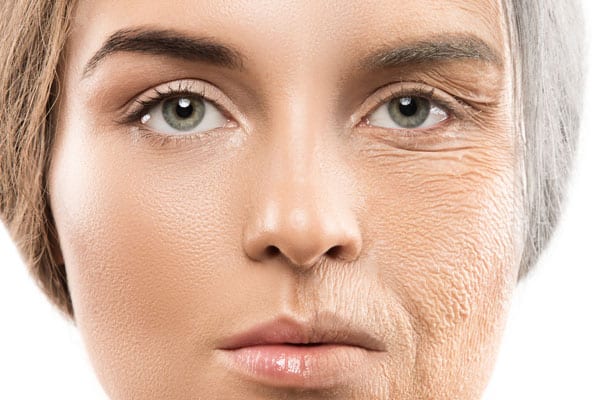
There are three main fundamental building blocks to sustain the skin and reduce the observable signs of ageing. These are Collagen, hyaluronic acid and calcium. The most common and plentiful of our bodies’ proteins is Collagen.
Collagen is manufactured in our bodies by combining different amino acids or building blocks from the protein found in our food. One of the primary purposes of Collagen is to deliver structural scaffolding for our various tissues to allow them to stretch while still preserving the integrity of the tissue. While a diet rich in Collagen can help balance the signs of ageing in the skin, it is also important it for bone health, nails and hair.
The loss of Collagen is one of the most significant contributors to our observable signs of ageing, such as sagging, dull and wrinkled skin. When our collagen levels are heightened, our skin will be firm, smooth and soft because collagen permits skin cells to revitalise and repair themselves continually. By the time we reach our 80s, we have approximately four times less Collagen than when we were in our youth.
Regardless of your age, making healthy, youthful skin is harder to attain when certain lifestyle and environmental factors also harm your collagen production. Factors that can slow the body’s ability to manufacture Collagen may include:- hormone imbalances, impaired thyroid function, overwork, processed foods, fluoridated water, pollution and dust, hydrogenated cooking oils, nutritional deficiencies, radiation, excessive sun exposure, stress, sugar, poor liver or kidney function, lack of both sleep and exercise.
Health advantages provided by collagen supplementation include:
- Deeper sleep and serotonin release due to its glycine content,
- Better blood clotting and wound healing,
- Decreased joint pain and stiffness,
- Improved gut health and digestion,
- Improved blood pressure and Reduced cardiovascular harm,
- Better glucose tolerance
- Reduced inflammation and oxidative stress and therefore having a positive impact on the health of your skin.
While 28 different types of Collagen are known scientifically, most supplements will contain 1 or more of the 5 most commonly known collagen types:
- Type 1 – makes up about 90% of the Collagen in our body. Nearly all tissue contains Type 1 collagen, including bones, tendons, connective tissue, and cartilage, and it is most abundant in the skin. However, it degrades over time, becoming apparent with the appearance of loss of elasticity, fine lines and wrinkles.
- Type 2 – is found primarily in cartilage and provides the cushion for your bones and joints
- Type 3 – is often found alongside type1 Collagen. It assists with the hydration of our skin, creating cushion or plumpness within the second layer of skin, the dermis.
- Type 4– makes up the thin layer outside the cells, giving them their structure and is found in the skin, kidneys, liver and other vital organs.
- Type 5– helps form keratin cell surfaces in our hair and nails. It is also required to form the cells that create a pregnant woman’s placenta, which is the baby’s life support system inside the womb.
The best way to have beautiful, healthy skin is to work from the inside out. A balanced diet and lifestyle are imperative. Unhydrolised or less-denatured collagen supplementation made from grass-fed beef bones can be added to your diet with bone broth daily. Powdered collagen supplements are also popular and may be added to smoothies each day. A powder that combines both animal and marine Collagen is best. Other nutrients the body requires to synthesise Collagen are biotin (B7), zinc, vitamin C, copper and other trace minerals.
The next component to having healthy, Collagen supported skin is to stimulate your skin regeneration topically with in-clinic professional treatments, a twice-daily home-care regime and good-quality skincare products.
The best way to approach ageing and good health is to work on the inside and outside. The outcome is going to provide the best version of ourselves. Collagen anyone.
by Sue Carroll | Apr 19, 2022 | Uncategorized
Skin Peels – Revive & Renew Your Skin
We are moving into the cooler time of the year, which means skin rejuvenation and the reduction of hyperpigmentation should be at the forefront of your mind. Skin peeling is one such technique for skin renewal, offering many different intensity levels depending on the skin condition. A peel is a technique that involves the application of a variety of chemical or herbal solutions to remove the damaged outer layers of dead, discoloured and coarse skin cells from the skin’s surface.
You will notice a profound improvement by stimulating the cell renewal process and removing a build-up of dead skin cells, particularly in skin conditions such as wrinkles, fine lines, texture, tone, brightening, and lightening. In addition, a peel dramatically increases blood circulation, softens scar tissue and addresses concerns such as blemishes and pore size. It also stimulates fibroblasts to assist with new cell formation, and will ultimately result in healthier skin and a more even and balanced production of natural oils. Classifications of the skin should always be professionally considered before an experienced aesthetician undertakes a peel. The first is the Fitzpatrick skin type.
This guideline determines how one might respond to chemical peels and the risk of hyperpigmentation by noting the skin’s response to sun exposure. The second classification is the Glogau classification – also known as the wrinkle scale – of photoageing designed to aid the professional aesthetician in determining the severity of sun damage to the skin, primarily visible in the form of discolouration and wrinkles. There are four main types of peel intensity when carried out in a treatment room.
- Progressive – this peel does not usually cause immediate or visible exfoliation. However, the skin will look refreshed and glowing and can be carried out as a stand-alone treatment or in conjunction with other facial treatments i.e. microdermabrasion. The progressive peel can be carried out every 1-2 weeks for 3-6 treatments.
- Progressive Plus – exfoliation typically occurs within 2-3 days post-treatment. This level of peel provides good rejuvenation with more sunburn-type flaking and dryness.
- Mid-Depth – exfoliation occurs within 2-3 days post-procedure. The mid-depth peel provides full-face exfoliation and sometimes turns dark brown before flaking. Typically peeling occurs for 2-4 days. These peels can occur monthly.
- Deep – the skin undergoes considerable peeling. The entire process takes about 7-10 days for the peeling and can occur every 3-4 months.
Other factors that are taken into consideration by the experienced aesthetician are:
- Climate and time of the year when selecting a peel regimen
- Homecare and the use of corrective products to make the skin more receptive to acids, thus creating a less intensive treatment and more aggressive
- The number of times the skin has been peeled and the types of peels used
- The type of skin, whether thick, thin, oily, acne, sensitive or hyperpigmented. In general thin skins respond well to progressive treatment, while thick skins may need a mid-depth treatment to achieve exfoliation.
- The strength of the solution used and the pH. The higher the percentage and the lower the pH, the more intense the treatment.
- Treatment prepping method. An aggressive prep increases the depth of the peel.
- Length of time the solution is left on the skin.
- Amount of solution and the even distribution of the peeling solution left on the skin
- Method of application, amount, and the pressure used when applying the solution.
Peeling with acids or herbs is an art and a science. Many factors need to be taken into account by your aesthetician when deciding the correct peel to be applied. Peels stimulate new healthier cells providing renewal and revival to the complexion.

by Sue Carroll | Mar 15, 2022 | Uncategorized
Beauty Buzz, Healthy Habits and Wellness
Having forced time off and working from home over the last two years has made more people think about their health and beauty issues. It is time to look at the body, mind, and spirit. The act of taking time to care for oneself is healing within itself.
Anti-ageing injectables still provide one of the best anti-wrinkle solutions for crows feet and the furrows between the brows. But, did you know they may also assist with reducing a gummy smile, provide a “lip flip” instead of having filler, and lessen the pursing action of the top lip, which creates the lipstick bleed.
Faces were front and centre with working situations on Zoom. The lips were another focal point where solutions are possible. As we age, there is a decrease in the volume of the lip, while lip borders become blurred, outer corners of the lips droop and vertical lines occur. Younger clients typically desire the over-exaggerated, extra plump look they see on social media. The older client normally wants soft, subtle volume with minimal projection. Often combining modalities with Botox, filler and resurfacing treatments will provide the optimum result.
Poor Lymphatic drainage is the cause of a lot of beauty and health issues in the body. Either manual lymphatic drainage or the use of a relaxing compression suit will assist with bringing fresh blood to the stagnant areas and will assist with removing toxins. Lymphatic drainage has a positive effect on collagen production and can be magnified when you are multitasking under either an LED or Bioptron light for extra collagen stimulation.
It’s that time of the year again when we are thinking about correcting the sun damage – hyperpigmentation and glycation wrinkles- we acquired during the warmer months. When you combine a cocktail of treatments that are designed specifically for your requirements your goals can be obtained. Even now in 2022, the message is still to combine correct skincare, laser treatments and chemical peels along with a healthy internal programme. A cookie-cutter approach is not suitable as we are all individuals with specific concerns.
There is always a debate about what diet provides the greatest health benefits. Is it a low carbohydrate, low fat, increased protein or intermittent fasting? Researchers at Yale University have identified a protein that may be harnessed to elevate human health when moderate calorie restrictions are adhered to. It has long been shown by a simple reduction of calories, and no specific diet, will have remarkable effects in terms of biology and shifting the immune-metabolic balance to a state that is protective of human health. As always, a strict diet change should be supervised by a nutrition practitioner.
Cryotherapy is a healthy addition to recover muscle strain and reduce inflammation within the body. This can be achieved in a number of ways including ice baths, cryotherapy chambers and cold showers using the Wimhof breathing techniques to receive optimum benefits.
Sugar intake increases the speed and degree to which the skin looks and feels older. This process is known as glycation. Sugar molecules in food attach themselves to proteins in the body, such as elastin and collagen. This will result in making the protein stiff and inflexible. Eventually, these end products make collagen rigid, and it will lose its ability to keep the skin firm and ultimately contributes to the ageing process. This process intensifies as we age. Again, nothing new, but after a challenging few years, it is a timely reminder that our diet helps our body function in a state of wellness or illness.
There is a greater focus in 2022 on wellbeing, feeling good, looking good and being the best version of ourselves we can be internally and externally. This road we are travelling is about adding small sustainable changes to one’s life and addressing the person as a whole.
by Sue Carroll | Jan 6, 2022 | Uncategorized
Topical Sunscreens and a Healthy Summer
Many doctors and scientists agree that as much as 90% of all visible signs of ageing of the skin are caused by sun damage. Statistically, it is said that 50% of sun damage occurs before the age of eighteen. Antioxidants assist with battling the free radical damage, which is a by-product of normal skin function. This damage causes the skin to age and thinning of the fat pad under the skin.
First of all, we all need sun, but in moderation. Sun is important for our overall wellbeing and for our skin. Twenty minutes of sun exposure in the early hours of the day or later in the afternoon have an energizing effect, it is good for the soul and is a source of vitamin D,- D3 being critical for liver functionality. Tanning is the skin’s defence mechanism against injury and trauma. Unfortunately, when you burn your skin in the sun, even a little bit, the DNA records that insult forever and plays it back like a videotape for years to come. In other words, you age much faster than if you have never burned at all.
Topical sunscreens are broadly classified into 2 groups – chemical absorbers and physical blockers. Chemical absorbers absorb UV rays while physical blockers reflect UV rays. Physical Blockers such as zinc oxide and titanium dioxide are not absorbed by the skin. Instead, they sit on the skin’s surface, blocking UVA and UVB rays and act as a natural reflective shield. Sunscreen formulations labelled “SPF” only refer to UVB protection, while labels stating “Broad Spectrum SPF” protect against both UVA and UVB rays.
It is recommended to choose an SPF 30 if you plan to be outside for a longer period of time, as it will provide 97% protection from UV damage. You are still able to acquire a tan when using sunscreen as no sunscreen will block all UV rays. It is often thought that there is a massive protection difference between SPF 15 and SPF 50 when in reality there is only a 5% difference in coverage.
Conventionally formulated sunblock is often too greasy or heavy to wear daily. Hence most people will only wear it to the beach and skip it on a daily basis. Wrong! The sun mercilessly comes through car windows and windscreens and any reflective surface with the end result being potential skin damage.
After evaluating the type of sunscreen to use, it is important to look at the complete ingredient deck. A vast majority of formulations contain
chemicals that are dangerous to the skin and then when they are absorbed by the body, have been linked to a host of health issues and allergies within the skin and beyond. Formulas comprising more natural, antioxidant and mineral-rich ingredients will not only support the skin in maintaining optimal health but will also further enhance the UV protection benefits.
With antioxidants, you can’t have too much of a good thing. Not only are antioxidants vital in protection and prevention, but they are also important in fighting the signs of ageing, internally and externally. Getting these nutrients naturally from natures’ superfoods is always the best option, but topicals applied to the skin and internal supplements also help the skin. These include glutathione, vitamins A, C, E, bioflavonoids, polyphenols, resveratrol, and superoxide dismutase.
Whichever side of the chemical vs physical fence you sit on, when selecting the right protection for your skin, you need to think seriously about what will provide the best health benefit for the skin. I always like to say the best sunscreen is the one you will actually use. Keep in mind zinc oxide is an inorganic compound and an essential mineral for our bodies. This powerful mineral provides both broad-spectrum protection and plays an important role in cell production, promotes healthy skin and hair and boosts the immune system. Who doesn’t like a skincare ingredient that pulls double duty?