Renew & Revive Skin with a Peel

Renew & Revive Skin with a Peel

Skin Peels – Revive & Renew Your Skin

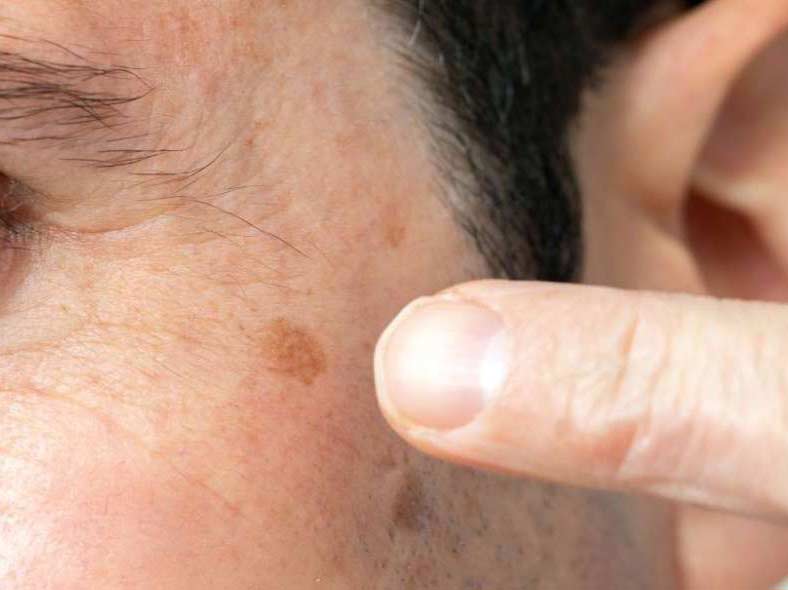
We are moving into the cooler time of the year, which means skin rejuvenation and the reduction of hyperpigmentation should be at the forefront of your mind. Skin peeling is one such technique for skin renewal, offering many different intensity levels depending on the skin condition. A peel is a technique that involves the application of a variety of chemical or herbal solutions to remove the damaged outer layers of dead, discoloured and coarse skin cells from the skin’s surface.

You will notice a profound improvement by stimulating the cell renewal process and removing a build-up of dead skin cells, particularly in skin conditions such as wrinkles, fine lines, texture, tone, brightening, and lightening. In addition, a peel dramatically increases blood circulation, softens scar tissue and addresses concerns such as blemishes and pore size. It also stimulates fibroblasts to assist with new cell formation, and will ultimately result in healthier skin and a more even and balanced production of natural oils. Classifications of the skin should always be professionally considered before an experienced aesthetician undertakes a peel. The first is the Fitzpatrick skin type.

This guideline determines how one might respond to chemical peels and the risk of hyperpigmentation by noting the skin’s response to sun exposure. The second classification is the Glogau classification – also known as the wrinkle scale – of photoageing designed to aid the professional aesthetician in determining the severity of sun damage to the skin, primarily visible in the form of discolouration and wrinkles. There are four main types of peel intensity when carried out in a treatment room.

  1. Progressive – this peel does not usually cause immediate or visible exfoliation. However, the skin will look refreshed and glowing and can be carried out as a stand-alone treatment or in conjunction with other facial treatments i.e. microdermabrasion. The progressive peel can be carried out every 1-2 weeks for 3-6 treatments.
  2. Progressive Plus – exfoliation typically occurs within 2-3 days post-treatment. This level of peel provides good rejuvenation with more sunburn-type flaking and dryness.
  3. Mid-Depth – exfoliation occurs within 2-3 days post-procedure. The mid-depth peel provides full-face exfoliation and sometimes turns dark brown before flaking. Typically peeling occurs for 2-4 days. These peels can occur monthly.
  4. Deep – the skin undergoes considerable peeling. The entire process takes about 7-10 days for the peeling and can occur every 3-4 months.
Other factors that are taken into consideration by the experienced aesthetician are:
  1. Climate and time of the year when selecting a peel regimen
  2. Homecare and the use of corrective products to make the skin more receptive to acids, thus creating a less intensive treatment and more aggressive
  3. The number of times the skin has been peeled and the types of peels used
  4. The type of skin, whether thick, thin, oily, acne, sensitive or hyperpigmented. In general thin skins respond well to progressive treatment, while thick skins may need a mid-depth treatment to achieve exfoliation.
  5. The strength of the solution used and the pH. The higher the percentage and the lower the pH, the more intense the treatment.
  6. Treatment prepping method. An aggressive prep increases the depth of the peel.
  7. Length of time the solution is left on the skin.
  8. Amount of solution and the even distribution of the peeling solution left on the skin
  9. Method of application, amount, and the pressure used when applying the solution.

Peeling with acids or herbs is an art and a science. Many factors need to be taken into account by your aesthetician when deciding the correct peel to be applied. Peels stimulate new healthier cells providing renewal and revival to the complexion.

Beauty Buzz & Healthy Habits

Beauty Buzz & Healthy Habits

Beauty Buzz, Healthy Habits and Wellness

Having forced time off and working from home over the last two years has made more people think about their health and beauty issues. It is time to look at the body, mind, and spirit. The act of taking time to care for oneself is healing within itself.

Anti-ageing injectables still provide one of the best anti-wrinkle solutions for crows feet and the furrows between the brows. But, did you know they may also assist with reducing a gummy smile, provide a “lip flip” instead of having filler, and lessen the pursing action of the top lip, which creates the lipstick bleed.

Faces were front and centre with working situations on Zoom. The lips were another focal point where solutions are possible. As we age, there is a decrease in the volume of the lip, while lip borders become blurred, outer corners of the lips droop and vertical lines occur. Younger clients typically desire the over-exaggerated, extra plump look they see on social media. The older client normally wants soft, subtle volume with minimal projection. Often combining modalities with Botox, filler and resurfacing treatments will provide the optimum result.

Poor Lymphatic drainage is the cause of a lot of beauty and health issues in the body. Either manual lymphatic drainage or the use of a relaxing compression suit will assist with bringing fresh blood to the stagnant areas and will assist with removing toxins. Lymphatic drainage has a positive effect on collagen production and can be magnified when you are multitasking under either an LED or Bioptron light for extra collagen stimulation.

It’s that time of the year again when we are thinking about correcting the sun damage – hyperpigmentation and glycation wrinkles- we acquired during the warmer months. When you combine a cocktail of treatments that are designed specifically for your requirements your goals can be obtained. Even now in 2022, the message is still to combine correct skincare, laser treatments and chemical peels along with a healthy internal programme. A cookie-cutter approach is not suitable as we are all individuals with specific concerns.

There is always a debate about what diet provides the greatest health benefits. Is it a low carbohydrate, low fat, increased protein or intermittent fasting? Researchers at Yale University have identified a protein that may be harnessed to elevate human health when moderate calorie restrictions are adhered to. It has long been shown by a simple reduction of calories, and no specific diet, will have remarkable effects in terms of biology and shifting the immune-metabolic balance to a state that is protective of human health. As always, a strict diet change should be supervised by a nutrition practitioner.

Cryotherapy is a healthy addition to recover muscle strain and reduce inflammation within the body. This can be achieved in a number of ways including ice baths, cryotherapy chambers and cold showers using the Wimhof breathing techniques to receive optimum benefits.

Sugar intake increases the speed and degree to which the skin looks and feels older. This process is known as glycation. Sugar molecules in food attach themselves to proteins in the body, such as elastin and collagen. This will result in making the protein stiff and inflexible. Eventually, these end products make collagen rigid, and it will lose its ability to keep the skin firm and ultimately contributes to the ageing process. This process intensifies as we age. Again, nothing new, but after a challenging few years, it is a timely reminder that our diet helps our body function in a state of wellness or illness.

There is a greater focus in 2022 on wellbeing, feeling good, looking good and being the best version of ourselves we can be internally and externally. This road we are travelling is about adding small sustainable changes to one’s life and addressing the person as a whole.

Topical Sunscreens and a Healthy Summer

Topical Sunscreens and a Healthy Summer

Topical Sunscreens and a Healthy Summer

Many doctors and scientists agree that as much as 90% of all visible signs of ageing of the skin are caused by sun damage. Statistically, it is said that 50% of sun damage occurs before the age of eighteen. Antioxidants assist with battling the free radical damage, which is a by-product of normal skin function. This damage causes the skin to age and thinning of the fat pad under the skin.

First of all, we all need sun, but in moderation. Sun is important for our overall wellbeing and for our skin. Twenty minutes of sun exposure in the early hours of the day or later in the afternoon have an energizing effect, it is good for the soul and is a source of vitamin D,- D3 being critical for liver functionality. Tanning is the skin’s defence mechanism against injury and trauma. Unfortunately, when you burn your skin in the sun, even a little bit, the DNA records that insult forever and plays it back like a videotape for years to come. In other words, you age much faster than if you have never burned at all.

Topical sunscreens are broadly classified into 2 groups – chemical absorbers and physical blockers. Chemical absorbers absorb UV rays while physical blockers reflect UV rays. Physical Blockers such as zinc oxide and titanium dioxide are not absorbed by the skin. Instead, they sit on the skin’s surface, blocking UVA and UVB rays and act as a natural reflective shield. Sunscreen formulations labelled “SPF” only refer to UVB protection, while labels stating “Broad Spectrum SPF” protect against both UVA and UVB rays.

It is recommended to choose an SPF 30 if you plan to be outside for a longer period of time, as it will provide 97% protection from UV damage. You are still able to acquire a tan when using sunscreen as no sunscreen will block all UV rays. It is often thought that there is a massive protection difference between SPF 15 and SPF 50 when in reality there is only a 5% difference in coverage.

Conventionally formulated sunblock is often too greasy or heavy to wear daily. Hence most people will only wear it to the beach and skip it on a daily basis. Wrong! The sun mercilessly comes through car windows and windscreens and any reflective surface with the end result being potential skin damage.

After evaluating the type of sunscreen to use, it is important to look at the complete ingredient deck. A vast majority of formulations contain

chemicals that are dangerous to the skin and then when they are absorbed by the body, have been linked to a host of health issues and allergies within the skin and beyond. Formulas comprising more natural, antioxidant and mineral-rich ingredients will not only support the skin in maintaining optimal health but will also further enhance the UV protection benefits.

With antioxidants, you can’t have too much of a good thing. Not only are antioxidants vital in protection and prevention, but they are also important in fighting the signs of ageing, internally and externally. Getting these nutrients naturally from natures’ superfoods is always the best option, but topicals applied to the skin and internal supplements also help the skin. These include glutathione, vitamins A, C, E, bioflavonoids, polyphenols, resveratrol, and superoxide dismutase.

Whichever side of the chemical vs physical fence you sit on, when selecting the right protection for your skin, you need to think seriously about what will provide the best health benefit for the skin. I always like to say the best sunscreen is the one you will actually use. Keep in mind zinc oxide is an inorganic compound and an essential mineral for our bodies. This powerful mineral provides both broad-spectrum protection and plays an important role in cell production, promotes healthy skin and hair and boosts the immune system. Who doesn’t like a skincare ingredient that pulls double duty?

Mask Wearing Complications

Mask Wearing Complications

Mask Wearing Complications

There is a thought that we have more microbes on our body skin than we have human cells. The human skin provides the largest surface area for microbial growth and is host to millions of microbial organisms. The skin microbiome is dominated by members of 4 phyla: firmicutes, actinobacteria, bacteroidetes and proteobacteria.

There is a thought we should start perceiving the skin as an ecosystem composed of physical and living biological components occupying diverse habitats. When the skin’s microbiome is out of kilter, disruptions may occur resulting in an aged appearance, infections, skin disorders, reactive skin, redness and acne.

When it comes to the microbiome of the skin and mask-wearing there are 3 main factors disrupting the balance. These are friction, changes to the microbiome and an alkaline environment. These 3 factors are also seen in another common skin condition, nappy rash.

Friction from mask-wearing results in loss of the barrier function – which we discussed in last month’s article. Each day our skin endures the rubbing of our masks from talking and general moving throughout the day which results in the gradual sloughing of the outer layers of the skin. This is accelerated by the moisture on the skin from our breath. As the barrier of the skin is eroded, a greater amount of water is lost through the skin and it dries out and creates sensitivity, redness or an aged appearance. Remember to change your mask daily sometimes a few times a day if necessary. Also, review the quality of your mask. Friction may also be reduced by using a topical like Rhonda Allison’s Drop of Essence in your daily skincare routine. This emollient is plant-based which is also a good food source for a healthy microbiome.

Our skin is naturally slightly acidic on the pH scale, around 4.5-5.5. At this level, the skins barrier system functions optimally and the immune system is operating at an optimal level for healthy skin. The condensate of the breath has consistently been measured around a pH 8 – alkaline. When the skin is exposed to long periods of an alkaline environment with mask-wearing, it’s natural buffering, becomes overwhelmed and the skin starts to become unhealthy, and the microbiome and skin barrier is less effective. Ensure your skincare products at home are all pH balanced and suitable for your skin condition. These should be reviewed each season and perhaps more often in these challenging times we are living in, as stress also creates imbalances in the skin.

When we keep our skin cells healthy, we rely on external microbiotic life forms to work in harmony with and support our own healthy cells. These healthy cells form the human microbiome. The human microbiome is kept at the same slightly acidic level as the skin. As the skin becomes more alkaline the prevalence of overgrowths of various harmful kinds of bacteria and bacteria on the skin increases. Skincare products for home use and a healthy lifestyle both contribute to assisting a healthy skin microbiome which will in-turn assist with less irritation from mask-wearing.

Some of the benefits of a healthy and balanced skin microbiome are:

  • Enhancing the skin’s ability to become and stay properly hydrated
  • Visibly improving signs of pigmentation, ageing, dryness and reducing a dry, taught sensation
  • Strengthening the skin’s surface against environmental threats and enhancing the skin’s natural defence
  • Diminishing factors that trigger reactive skin
  • Restoring a healthy pH balance to the skin’s surface

Looking after the microbiome of our skin is an extremely important consideration when it comes to caring for the health of our skin. As a result of preventative measures for Covid-19, our mask-wearing has benefits but it also comes with side effects for our normally healthy skin. Come into, or call the Clinic and ask us how we may be able to assist you with your skin concerns, we are happy to help.

The Lymphatic System and the Skin

The Lymphatic System and the Skin

The Lymphatic System and the Skin

The skin is the largest organ of the body where all of the components are connected like a jigsaw puzzle. When one piece of the biological jigsaw puzzle is compromised, the ripple effect impacts organs, vital systems and the functioning of the body as a whole. When discussing the skin, we need to consider and understand the lymphatic system and its relevance to its overall appearance and health.

The lymphatic system is one of the most intricate networks of tissue and organs. It plays an imperative role in the nourishment and regeneration of cells, keeps the immune system healthy, filters metabolic waste and is imperative to the detoxification process for the whole body.

A perfectly functioning lymphatic system will dispel toxins that can be harmful to both the health of the skin and the immune system. With a sluggish lymphatic system, impurities may be trapped in cells, leading to a loss of elasticity, premature ageing and acne. The lymphatic system collects excess fluid (lymph) that drains from tissues and cells and returns it to the bloodstream. It is an important part of the immune system, producing and releasing lymphocytes – the white blood cells – that monitor and destroy foreign bodies such as viruses, fungi and bacteria.

The lymph collects extra fluid drained from the tissues and cells. It is often recognized as the clear yellowish fluid that accompanies blood, for example when a pustule is extracted. The lymphatic system is not part of the vascular system and therefore does not have the benefit of the pumping action of the heart to keep it circulating and moves only in an upward direction away from gravity.

Already having a battle with gravity, the lymphatic system has other factors creating negative side effects such as environmental toxins, a poor diet high in processed foods, inadequate sleep, stress, dehydration and a lack of exercise.

Some of the signs of a compromised lymphatic system may include:
skin hardening and thickening,
swelling in fingers,
bloating and excess weight,
enlarged lymph nodes,
cold hands and feet,
increased flu,
colds and sinus infections,
chronic fatigue,
dry or itchy skin,
acne,
rosacea,
digestive issues.

Fortunately, there are simple things that can be done at home and also in the clinic, in order to stimulate the lymphatic system to help reduce signs of rosacea, acne, puffiness and dry aged skin.

One of the easiest things to do at home is to increase exercise. The contraction of the muscles during exercise pumps lymph movement from the inside out. Alternating hot and cold water in the shower both dilates and contracts the natural pump action to force the toxins out of the body. Dry body brushing for several minutes each day prior to showering stimulates both the lymphatic system and the natural oil production.

Deep breathing deep within the diaphragm acts as a pumping action transporting the toxins into the bloodstream and then to the liver for detoxification. Drinking water each day, at least 1-2 litres, will help cleanse and hydrate the body. Caffeine and alcohol should be decreased in quantity as they can lead to dehydration. In-Clinic treatments may include the relaxing Lymphatic Body Booster which can be utilized while having a facial treatment such as PEMF, Radio Frequency, or manual lymphatic massage.

One of the goals of Clinical treatments is to provide strengthening of both the blood and the lymphatic flow in order to reduce the underlying inflammation which can be seen as redness, acne and aged skin.

The lymphatic system is a delicate and imperative system within the body and if not tended to promptly the vessels may end up physically damaged, functionally inactive and too inflamed to flush excess fluid and toxins out of the body. Lockdown has been a challenge on so many levels, give the body the TLC it deserves when you are wanting it to stand in good stead and help you look and feel fabulous.

Skin Restoration with Superstar Antioxidants

Skin Restoration with Superstar Antioxidants

Has mask wearing and winter compromised the barrier of our skin?

Generally, our bodies do fairly well at protecting themselves, but when it comes to our skin barrier, day to day life really takes its toll. A compromised barrier creates a lot of challenges for our skin including faster ageing, dryness, sensitivity, irritation and redness.
The skin barrier serves an important function in protecting the body from infection, toxins and other DNA damageing elements. In the Clinic we are seeing more cases of compromised skin barrier than ever before as a result of stress, overuse of active or harsh ingredients, environmental aggressors (extreme weather, allergens and pollutants), overexposure to the sun, over-exfoliating, over washing, harsh detergents, soaps and hand sanitiser, medications, autoimmune diseases, genetic factors, blue lights from computers and smartphones and even overly aggressive professional treatments when the skin has not been prepared prior to treatment.
The dermal layer of the skin (the inner layer of the two main layers of the skin and includes connective tissue, oil, blood vessels and other structures) is the precursor to a strong epidermal layer (the thin outer layer of the skin that is visible to the eye) and a properly functioning barrier.
The barrier comprises of cells called corneocytes that are bound together by cement-like lipids. This very thin wall has a monumental job in keeping out harmful environmental pathogens and toxins and retaining our body’s water content. When the barrier is compromised the skin no longer effectively retains moisture, and its ability to protect itself is weakened.
As a result, compromised skin may exhibit
  • a dull appearance
  • dehydration
  • inflammation
  • visible capillaries
  • redness
  • increased sensitivity
  • acne
  • rosacea
  • pigmentation and early ageing signs
The compromised skin requires resuscitating and revitalising with a combination of nutrients, vitamins and superstar antioxidants both internally and externally. Antioxidants, which consist of enzymes, minerals, and vitamins help to repair and prevent damage to our skin by slowing free radical damage, an oxidation process that leads to tissue and cell dysfunction. Antioxidants work by neutralising free radicals and inhibiting cell damage by preventing the oxidation of other molecules. They themselves are oxidised, which is what allows them to effectively eradicate oxidation chain reactions. Antioxidants are one of the main first line defenders against free radicals.
Antioxidants are not stored by the body and therefore they routinely need to be replenished both internally and externally. When it comes to antioxidants, the body and skin cannot get enough of a good thing. They are important in protection and prevention and are vital for fighting ageing. The first step is getting nutrients for internal use (Vitamin C – brussels sprouts, guava, citrus, and broccoli. Vitamin A – Spinach, liver, pumpkin, kale and carrots. Vitamin E – carrots, tomato, oats, wheat germ oil, walnut oil, and olive oil. Polyphenols – walnuts, dark chocolate, berries, and green tea.) naturally from superfoods. Bioflavonoids – sea-buckthorn, tea, citrus, onions and berries.
Applying antioxidants topically is also crucial for the external health, wellbeing and rebuilding the barrier of our skin. There are some specific antioxidants that will speed the healing and strengthening of the skin topically. These antioxidants focus on strengthening and nourishing the mitochondria to fight against the reactive oxygen species (ROS) that contribute to a compromised barrier.
These include spin trap, L-glutathione, superoxide dismutase (SOD), CoQ10, Vitamin A, Vitamin B, Vitamin C and heart of green tea. Compromised barriers also suffer from trans1 epidermal water loss (TEWL), which can be remedied with specialised lipid and hydration support with various humectants, hyaluronic acid, organic oils and omegas all of which will bind and seal moisture into depleted skin.
Each skin and the level of damage to the barrier is very individual and requires a customised approach to the restoration of the skin. The skin must go through several cycles to shed the compromised cells, making way for the new, healthy cells to come to the surface revealing healthy hydrated and radiant skin.