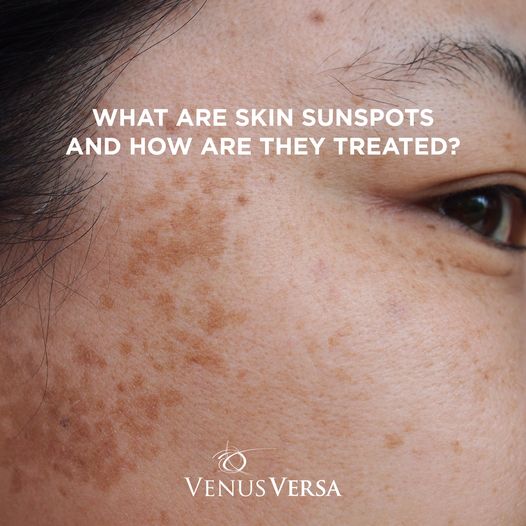
We all desire a clear and consistent skin tone. However, lingering hyperpigmentation is a constant barrier to achieving this. It impacts every skin type at every stage of our lives, especially when sun exposure, heat and prolonged UV damage are factors. The pleasing news is that with the proper homecare regime and in-clinic treatments, the brown spots can be reduced or removed completely. This will be a consistent programme including prevention and treatment.
Hyperpigmentation refers to areas of the skin with an abnormal appearance of pigment, resulting in darker areas of the skin compared to the rest of the complexion. There are 3 main types of hyperpigmentation: epidermal (surface is light brown and not quite as dense), dermal (skin is ashen-grey and a deep brown and appears more solid), and then a mixture (both of the above levels and is usually dark brown).
There are many triggers creating pigmentation (dyschromia) changes, as well as varying depths of damage to the skin. These types of changes in the skin may occur when melanocytes (colour-producing cells) are either over-stimulated resulting in hyperpigmentation, or they may be destroyed, resulting in hypopigmentation. The colour changes may also be an uneven pigmentation from procedures, picking or scratching. Melasma is denoted by more dense larger patches and is normally created with hormonal imbalance with estrogen and progesterone. Other causes may include birth control pills, HRT, PIH (post-inflammatory hyperpigmentation), long-term sun exposure, razor bumps, heat, humidity, severe sunburn, eczema, chemical irritations, rashes, abrasive scrubs, medications, chicken pox, insect bites, surgical procedures, thyroid, and adrenal disorders.
One thing to keep in mind with most types of hyperpigmentation is our melanocytes are there for a reason, which is to protect the cell initially. We need this to help fight against the impact of the UV rays. After this protection process has taken place, the skin is now left with underlying damage which is seen in the form of pigmentation.
The two main factors stimulating hyperpigmentation are UV exposure and heat. Wearing an SPF of 30+ each day will assist with this protection. The best sunscreens for hyperpigmentation are typically all-mineral formulas. Chemical SPFs neutralize the UVA and UVB rays, while the mineral SPFs, create a barrier on top of the skin, blocking these factors and protecting it from infrared damage. A huge reminder, even when you wear your hat, sun protection and sunglasses and your face is covered, tanning on other parts of your body can still stimulate the melanocytes.
Hydroquinone is a well-known ingredient to treat hyperpigmentation. It is banned in many countries as it has been linked to possibly being carcinogenic. Our skin is very smart and may develop a resistance, or immunity to it, resulting in a very dark hyperpigmentation, which usually takes longer to reduce.
Other proven ingredients for use in both homecare and clinical treatments include the enzyme papain (from the papaya), and bakuchiol (a retinol alternative supporting the skin’s cellular renewal. When applied topically it encourages sloughing of overly pigmented cells, leaving skin looking renewed and more even),mandelic acid (a water soluble exfoliating alpha hydroxy acid made from bitter almonds and is generally tolerated well by most skin types with its larger molecular size and therefore slowing the absorption resulting in less irritation to the skin),tranexamic acid (will even out hyperpigmentation when melanin density is connected to sun damage. It is also safe to use through pregnancy), pyruvic acid (derived from the hibiscus and is both oil and water soluble and has the capacity to brighten the faster by encourageing the rapid cell regeneration), and niacinamide (a vitamin B3 product impedes the production of melanin as it is happening).
Some of the in-clinic treatments available include IPL(Intense Pulsed Light), Fractional Laser, Tixel, Q Switch Yag and herbal and chemical peels.
Protect the skin you are in; it is yours for a lifetime. Regardless of hyperpigmentation’s cause and its associated uneven tone and dark spots, it is essential in Australia to treat and prevent it on a regular basis. It is not a seasonal call to action, but instead a year-round commitment.
Skin rejuvenation is assisted by so many different treatment modalities such as Fractional Laser, CO2 laser, IPL, Q-Switch Yag, Radio Frequency Needlin and Skin Needling to name just a few. And then there is Tixel®.
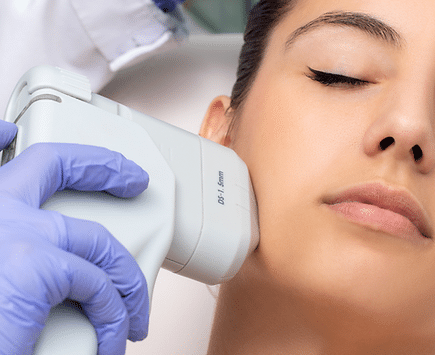
Tixel® is not a laser, but an ablative (removing the top layer of skin) and non-ablative fractional skin treatment that will rejuvenate skin by stimulating new collagen to improve skin quality and will also target and treat acne and scarring.
Tixel® uses thermo-mechanical (heat) energy to evaporate tiny channels in the skin. This technology uses a titanium tip which is heated to 400 degrees celsius. The small and large tips contain tiny pyramids that pass over the skin, delivering short bursts of heat energy directly to the skin. This heat energy will firm the skin and refine the texture.
Tixel® can be used on all skin types, including those with a darker skin tone and hyperpigmentation. The energy settings can be reduced depending on your Fitzpatrick skin type, meaning the darker the skin the lower the setting, which in turn will mean a few more treatments.
From addressing fine lines and wrinkles to improving skin texture and tone, to treating active acne and scarring, the Tixel® offers extremely versatile solutions to a myriad of aesthetic concerns. When treating acne, the Tixel® can treat both active clusters of acne and acne scarring. When treating active acne, the heat assists with slowing the sebaceous oil flow and reducing infection. The temperature and the treatment for this particular procedure (treating the active acne) can be a little “spicey” but can be a positive alternative to medications in some cases. Depending on the severity of the acne, 3-4 treatments may be required, spaced about 2 weeks apart.
When treating acne scarring, again, depending on the severity of the scar tissue, a few treatments about 4 weeks apart will be required and must be combined with a clinical home care programme for optimum results.
The Tixel® treatment can also provide a rejuvenation technique by infusing active serums into the skin. Thousands of tiny microchannels are created and stay open for roughly 6 hours. During this time a take-home cocktail of customised serums is massaged into the skin every hour. This procedure is one of my all-time favourite treatments in the Clinic, without downtime. The skin may be superficially dry for a day or two post-treatment and then the skin glows and is well on its way to a more refined appearance. Everything from rosacea to hyperpigmentation can be treated easily. The rosacea has a redness-reducing cocktail massaged into the area and within a few days has begun to reduce in intensity.
Hyperpigmentation has tranexamic acid massaged in to reduce the discolouration of the skin. The infusion treatment has no downtime and no pain, just a radiant complexion.
The Tixel® treatment can treat any area of the body, face, neck, chest, back of hands and eye area. When the ablative settings are used, expect slight crusting for 4-5 days, along with dryness and a light pink colour kissing the skin. There is no peeling or blistering.
The eye area, both upper and lower areas, achieves a truly amazing result. Tixel® is often used with surgical blepharoplasty to refine the texture of the skin in this area. As the Tixel® is not a laser, the skin can be treated close to the lash line and the brow area.
With any Tixel® treatment, some people will see a result after 1 treatment, while others will require 3-5 sessions. The best results will be seen 4-5 weeks post-treatment.
Tixel® can be customised for the individual. When you are seeking a smoother, more revitalised complexion, Tixel® is definitely a treatment worth considering with less downtime than most lasers and clients with dry eye have reported experiencing improvement with this condition after a Tixel® Treatment.
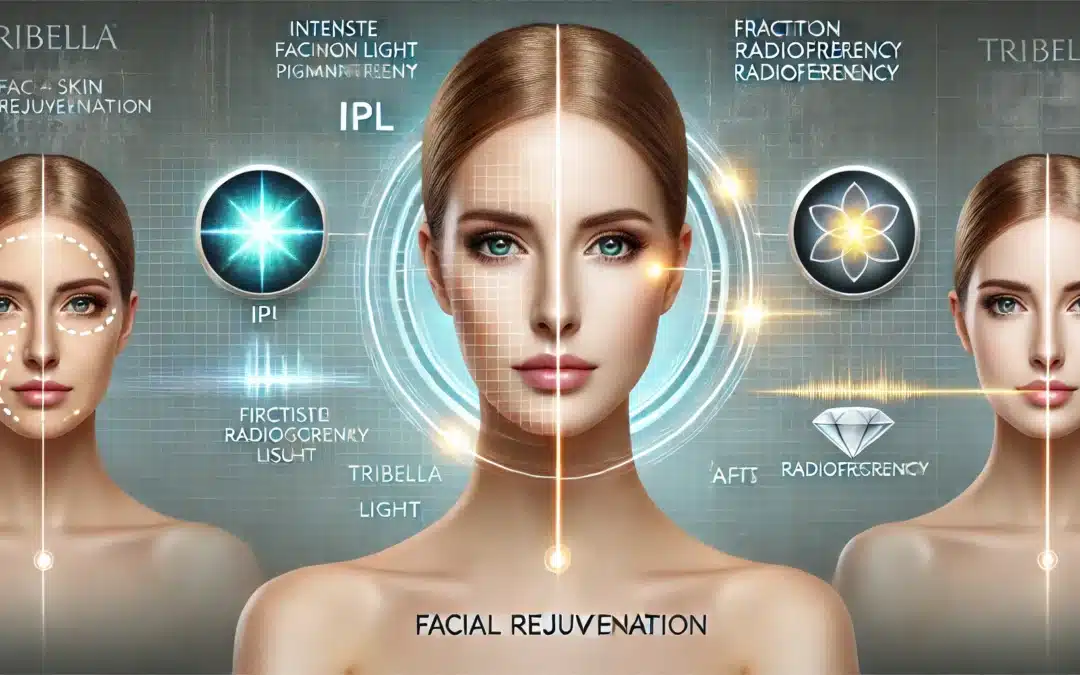
TriBella combines three cutting-edge technologies in a single treatment session to deliver outstanding results:
Photofacial (Intense Pulsed Light – IPL):
This treatment uses light energy to tackle pigmentation issues such as age spots, sun damage, and vascular lesions. By reducing discolouration and redness, IPL significantly improves skin tone. Whether you’re dealing with hyperpigmentation, freckles, or broken capillaries, IPL offers a versatile solution for uneven skin tone.
Skin Resurfacing (Fractional Radiofrequency):
This technology utilises radiofrequency energy to create micro-wounds in the skin, stimulating the body’s natural healing process. This boosts collagen production, which helps improve skin texture, reduce fine lines and wrinkles, and promote overall skin rejuvenation. The controlled damage prompts a regenerative response, leading to smoother, more youthful-looking skin.
Skin Tightening (DiamondPolar Radiofrequency with Pulsed Electro Magnetic Fields):
This component combines radiofrequency and pulsed electromagnetic fields to heat the deeper layers of the skin, encourageing collagen and elastin production. The result is firmer, tighter skin with improved elasticity, particularly beneficial for areas prone to sagging like the jawline, neck, and around the eyes.
Benefits of TriBella Facial Rejuvenation
TriBella’s multifaceted benefits make it a top choice for those seeking effective, non-surgical facial rejuvenation solutions:
Comprehensive Treatment: By merging three technologies, TriBella tackles multiple skin concerns in one session. This holistic approach ensures that various aspects of skin ageing are addressed simultaneously, leading to more comprehensive and noticeable results.
Non-Surgical: TriBella is a non-invasive procedure, eliminating the need for surgery or significant downtime. Clients can enjoy facial rejuvenation benefits without the risks and recovery time associated with surgical options.
Minimal Discomfort: Treatments are designed to be comfortable, with minimal pain or discomfort. Most clients report a slight warming sensation during the procedure, making it a tolerable experience.
Quick Sessions: Each TriBella session typically lasts around 60-90 minutes, making it convenient for individuals with busy schedules who desire effective results without spending hours in a clinic.
Long-Lasting Results: With a series of treatments, clients can achieve significant improvements in skin tone, texture, and tightness, with results that continue to improve over time. The stimulated collagen production ensures that TriBella’s benefits extend well beyond the treatment sessions.
Ideal Candidates for TriBella Facial Rejuvenation
TriBella is perfect for those aiming to address various skin issues without surgical intervention. It can effectively treat:
Hyperpigmentation and sun damage: If you struggle with dark spots, sunspots, and other pigmentation issues, TriBella’s IPL component specifically targets melanin, helping fade these spots and create a more even skin tone.
Fine lines and wrinkles: The skin resurfacing and tightening components work together to reduce the appearance of fine lines and wrinkles, offering a smoother, more youthful look.
Uneven skin texture: Individuals with rough or uneven skin texture can benefit from the resurfacing technology, which promotes new skin cell growth and smoother skin.
Skin laxity and sagging: The skin tightening component addresses sagging skin, particularly around the jawline, neck, and cheeks, by stimulating collagen and elastin production.
Redness and vascular lesions: For those with conditions like rosacea or visible blood vessels, the IPL treatment helps reduce redness and minimise the appearance of vascular lesions.
Post-Treatment Care for TriBella Facial Rejuvenation
After a TriBella session, clients might experience mild redness and swelling, typically resolving within a few hours to days. Proper post-treatment care is crucial to maximise benefits and ensure a smooth recovery. Here are some tips:
Avoid Sun Exposure: Protect your skin from sun exposure after a TriBella treatment. Use a broad-spectrum sunscreen with at least SPF 30 and wear a wide-brimmed hat when outdoors.
Use Gentle Skincare Products: Post-treatment, your skin may be more sensitive. Opt for gentle, hydrating skincare products that do not contain harsh chemicals or exfoliants. Look for products with soothing ingredients like aloe vera and chamomile.
Stay Hydrated: Drinking plenty of water helps keep your skin hydrated and supports the healing process. Proper hydration also enhances overall skin health and appearance.
Avoid Hot Water: Refrain from using hot water on the treated area for a few days. Use lukewarm water when cleansing your face to avoid irritating the skin.
Follow Up Treatments: Depending on your initial skin condition and desired results, multiple TriBella sessions may be recommended. Adhere to the treatment schedule advised by your aesthetician to achieve the best outcomes.
Real-Life Results and Client Testimonials
Many clients have reported significant improvements in their skin’s appearance after undergoing TriBella Facial Rejuvenation. Here are some real-life testimonials:
Sarah, 45: “After just three TriBella sessions, my skin looks and feels amazing. The fine lines around my eyes and mouth have diminished, and my skin tone is much more even. I love the compliments I receive about my youthful appearance!”
James, 52: “I was sceptical at first, but TriBella has really made a difference. The sun damage and age spots on my face are barely visible now, and my skin feels firmer and smoother. It’s definitely worth it.”
Emily, 38: “TriBella has given me back my confidence. My skin texture has improved dramatically, and the redness from my rosacea is much less noticeable. The best part is that it’s a non-invasive treatment with no downtime.”
Why Choose TriBella Facial Rejuvenation?
TriBella Facial Rejuvenation stands out in the competitive non-surgical treatment market for several compelling reasons:
Multi-Technology Approach: By combining IPL, fractional radiofrequency, and skin tightening technologies, TriBella offers a comprehensive solution that addresses a wide range of skin concerns.
Customisable Treatment: Each TriBella session can be tailored to your specific needs, ensuring personalised care and optimal results.
Proven Effectiveness: Clinical studies and client testimonials consistently highlight the effectiveness of TriBella in improving skin tone, texture, and tightness.
Safe and Comfortable: TriBella treatments are designed to be safe and comfortable, with minimal risk of side effects and no need for anaesthesia.
In Summary
TriBella Facial Rejuvenation is a versatile and effective treatment for individuals looking to rejuvenate their skin and address a range of ageing-related concerns. By combining photofacial, skin resurfacing, and skin tightening technologies, it offers a comprehensive approach to achieving a youthful, radiant complexion. With minimal discomfort and downtime, TriBella is an excellent choice for those seeking significant skin improvements without invasive procedures. Whether you’re dealing with hyperpigmentation, fine lines, uneven texture, or sagging skin, TriBella can help you achieve your aesthetic goals and boost your confidence.
It is that time of the year again when our skin lets us know the summer has been a little unkind. The telltale signs of hyperpigmentation are pretty apparent on our skin. One of the most effective ways to deal with this discolouration, skin dryness and skin renewal is with an in-clinic treatment using a peel.
Peels are available in various strengths and cocktail formulations, and the one suitable for you will depend on your skin condition or concern. A peel is a skin rejuvenation technique that usually contains enzymes, chemicals and herbs.
The idea behind a peel is to remove the damaged outer layers of dry, discoloured, and coarse skin from the skin’s surface. When the peel is applied, it stimulates the skin’s regenerative process. The results reveal a marked improvement in skin conditions such as fine lines and wrinkles, texture & tone of the skin, lightening & brightening the skin, increased blood circulation, softening scar tissue, strengthening the integrity of the skin, stimulating fibroblast cells resulting in new cell formation, hydration, reduction of pore size, clearing of blemishes, more balanced oil production and an overall healthier appearance of the skin.
There are four main types of peel intensity in the clinical treatment room.
Progressive – This peel does not usually cause visible exfoliation. There may be superficial dryness for a few days post-procedure, and the skin will look refreshed and radiant. It can be experienced as a standalone treatment or in conjunction with treatments such as microdermabrasion. This mild peel can be carried out every 1-2 weeks for 3-6 treatments.
Mid-Depth – exfoliation with this peel usually occurs within 3- 5 days post-procedure. This level of peel will usually turn brown before a gentle flake occurs. This rejuvenation technique is ideal for monthly use.
Deep – the skin undergoes considerable peeling, almost like a snake shedding its skin. Two of the better-known deep peels are Cosmelan and the Deep Herbal Peel. The entire process can take 7-10 days and is usually repeated three times a year, depending on the skin condition or concern.
Biochemical Peel -The peel you have when you are not having a peel. This is the new kid on the block from Europe. This avant-garde technique has no downtime, pain, heat or peeling – but you do need to do it in combination with Q-Switch Laser or IPL.
The biochemical peel incorporates active ingredients in its formulas, and its effectiveness has been proven by dermatological science. Using a cocktail of acid ingredients such as salicylic, lactic, malic, pyruvic, azelaic, mandelic, phytic, ferulic, hyaluronic, pure glycolic, citric, kojic and tranexamic, the results are boosted when done in combination with Q-Switch Laser or IPL. These ingredients are not new in the peel arena; the difference is in the percentage, pH and layering technique.
Factors required to review before having a peel include:-
Home care and skin preparation are undertaken at least two weeks before treatment.
Skin reactivity, thickness, and oiliness
The time of the year and the intensity of the sun
Your general health, including autoimmune disorders.
The Fitzpatrick skin type is a guideline to determine how the skin might respond to a peel.
The Glogau classification is also known as the wrinkle scale of photoageing. This will assist in determining the severity of sun damage in the form of discolouration and wrinkles.
Peels stimulate the formation of new, healthier cells, reviving the complexion. No matter your skin concern or the numerous peels and techniques, rest assured there is one that is just right for you.
Skin laxity is a common sign of ageing and can affect various areas of the body such as the face, neck, arms, legs or abdomen. It occurs when the skin loses its elasticity, resulting in a saggy, loose appearance.
Loss of skin elasticity may present as:
Fine lines and wrinkles: When skin loses its elasticity in the dermal matrix (second layer of skin), it is prone to fine lines and wrinkles. These lines can appear deeper and more prominent over time.
Jowls: As we age the bones tend to shrink, leading to the muscular layer (SMAS) and dermal layer to then droop and create the jowls.
Drooping Eyelids: As with the jowls, this drooping tissue affects the orbital area. Ptosis (the drooping of the skin of the upper eyelid) can be the result.
Crepey Skin: When the support in the dermal matrix is lost or declines, and the surrounding glycosaminoglycans (GAG’S), that provide the cushioning and the environment of collagen and elastin, this depletion leads to the skin having the appearance of thin, tissue-like skin.
Skin laxity is caused by a combination of intrinsic (internal) and extrinsic (external) factors that affect the skin’s structure and function. Some of the scientific causes are:
Age and hormonal changes where the collagen and elastin fibres, which provide support and elasticity to the skin, degrade over time, leading to thinning and sagging. Additionally, the skin’s ability to produce new collagen and elastin decreases with age.
Exposure to prolonged UV radiation from the sun damages the collagen and elastin fibres. This damage can result in the formation of wrinkles and sagging.
Certain lifestyle factors such as poor diet, lack of sleep, excessive alcohol, and smoking all add to oxidative stress resulting in the skin breaking down and not having the ability to regenerate.
Genetics can play a huge part in the loss of laxity in the skin, and this can happen earlier in some compared to others.
Other areas to affect loss of elasticity in the skin can be glycation, dehydration, significant weight loss and extreme temperature environments.
When choosing the most appropriate treatment for your area of concern there are several factors to review such as
Different areas will respond better to one treatment rather than another, HIFU, RF, RF Microneedling and Plasma Fibroblast can provide more significant skin tightening for moderate to severe skin laxity, while microneedling will address fine lines and moderate skin laxity.
Different modalities are better suited for specific areas of the body. HIFU and RF can be used on the face and body, while RF Needling and microneedling are primarily used on the face and neck. Plasma can be used on the face and body but is not suitable for all body areas.
Depending on your timeline for your result HIFU and Plasma can provide more immediate results, while RF and RF Needling usually require multiple treatments.
Your pain tolerance this also must be a strong consideration for the appropriate treatment.
Budget is also a consideration. HIFU and Plasma Fibroblast are typically more expensive than RF, RF Needling and Microneedling.
What is the primary skin concern?
moderate to severe laxity
fine lines and wrinkles
Mild to moderate skin laxity
Which area do you want to target?
face and body
face and neck
face only
How soon do you want the results?
Immediate
within a few weeks to months
over time with multiple treatments
How much downtime will you tolerate?
no downtime
some downtime
little to no downtime?
What is your budget?
high
moderate
low
It is so important to combine both in Clinic treatments, a good home care regime and a healthy lifestyle in order to achieve your optimum results.