What Your 50+ Skin Really Needs
Our 40’s and 50’s are often the years where we begin to notice significant changes in our skin. Between hormonal shifts and the gradual decline in collagen production, our skin goes through some major transitions that affect the way our skin looks and feels. Many women suddenly experience increased dryness, reduced firmness, fine lines, dull lacklustre complexion and a noticeable loss of that youthful plumpness the skin once had.
At Skin Inspiration, one of the questions we hear most often is, what does mature skin actually need? While we can’t defy ageing, we can absolutely support the skin to help it look and feel healthier, smoother and more radiant too; you just need the right ingredients, consistency and a targeted routine specifically for mature skin.
One of the main reasons skin changes during this stage of life is fluctuating hormones, particularly throughout and after menopause. As oestrogen levels decline, the skin loses some of the support that helps keep it firm, hydrated and resilient.
Collagen and elastin production naturally slow down over time, causing skin to feel and look thinner, drier and less elastic. Cell renewal also becomes slower, which can leave the complexion looking dull and tired. The skin barrier becomes more fragile, often leading to increased sensitivity and dehydration.
What Your Skin Really Needs in 50’s+
- Intense moisture and not just hydration. Even those who have oily or combination skin often feel their skin suddenly becoming tight and dry. This is because the oestrogen decrease leads to a decrease in natural oil production. Ingredients such as ceramides, hyaluronic acid, squalene and rich botanical oils are ideal for replenishing hydration and strengthening the skin barrier.
- Collagen support and firmness. Collagen loss begins as early as our 20’s (about1% each year) and continues steadily over time, often accelerating during menopause. This contributes to sagging, loss of elasticity and skin that appears thinner. Ingredients like marine collagen, peptides, retinol, growth factors, exosomes and antioxidants can help supporting firmer, smoother looking skin.
- Barrier repair and skin comfort. Many women notice their skin becomes more sensitive in their 50’s. products that once worked either don’t or they create irritation. Often, this is a sign that the skin barrier has become compromised. Rather than over exfoliating, focus on products that calm and replenish. This is where products containing ceramides will assist.
- Gentle exfoliation for brighter skin. As cell turnover slows, dead skin cells build up on the surface, leaving the skin looking dull. Gauze with toning lotion and enzyme exfoliators are a good choice refining the skin without being harsh.
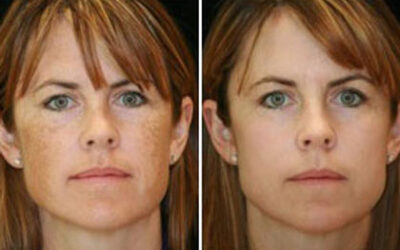
- Brightening ingredients. Uneven pigmentation becomes increasingly common in our 50’s, often as a result of accumulated sun exposure. Vitamin C, niacinamide, tranexamic acid and arbutin are all effective ingredients in reducing visible pigmentation.
- Dedicated eye area. The eye area is one of the first places to show visible signs of ageing. Hooded eyelids, fine lines and crows feet become more pronounced. An eye cream to hydrate and regenerate is a perfect choice along with treatments like Tixel.
Because of this, skincare in your 50’s+ should focus on less aggressive treatments and more on nourishment, hydration, barrier repair and ingredients that help restore comfort, firmness and glow. Once this has been achieved, it is possible for more intensive procedures to be undertaken and then have better and longer-lasting results.
The biggest skincare mistake so many of us make in our 50’s is when we try to treat our skin the same way we did in our 30’s and 40’s. Products and routines that once worked well may now feel too harsh and drying. In your 50’s+, skin typically responds to consistency, hydration, nourishment and barrier support rather than overly complicated routines packed with aggressive actives. With the right care, your skin can still look incredibly luminous, healthy and vibrant for decades to come.