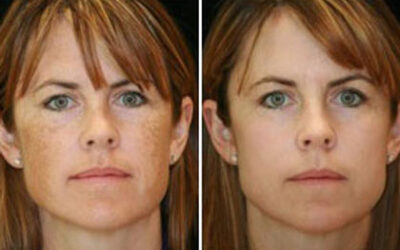

What Are Exosomes? Benefits for Skin Regeneration & Youthful Glow
Exosomes are revolutionising aesthetic medicine as a powerful, non-invasive solution to skin and hair rejuvenation. These nano-sized messengers are emerging as a breakthrough therapy for boosting hydration, reducing inflammation, and enhancing skin texture and tone.
What Are Exosomes?
Exosomes are nano-sized extracellular vesicles secreted by various cells in the body. Their primary function is intercellular communication—transferring essential proteins, lipids, and genetic material to influence neighbouring cells. In skincare, this means stimulating repair, regeneration, and improved cellular function.
Unlike stem cells, exosomes are cell-free and DNA-free, making them safe for topical use. Their regenerative capabilities are now being harnessed in clinical settings to enhance skin health and reduce visible signs of ageing.
What Do Exosomes Contain?
Each exosome is rich in bioactive molecules, including:
- Growth factors – Promote cellular repair and regeneration
- Cytokines – Reduce inflammation and boost immunity
- Peptides – Improve hydration and soften fine lines
- Amino acids – Support collagen and elastin production
- Hyaluronic acid – Retains moisture and plumps the skin
Benefits of Exosome Skin Therapy
Exosome boosters offer multiple skin-enhancing benefits, such as:
- Youthful radiance – Stimulate collagen and smooth fine lines
- Deep hydration – Improve skin elasticity and moisture retention
- Reduced redness – Calm inflammation and support healing
- Even tone and texture – Brighten skin and minimise discolouration
- Protective repair – Deliver antioxidants to combat environmental stress
How Are Exosomes Applied?
Exosomes are typically applied topically after treatments such as microneedling or Tixel. These procedures create tiny channels in the skin, allowing for deeper absorption and improved efficacy.
Typical treatment protocol: One session every 7–10 days, with a series of 4–5 treatments. Maintenance every 1–2 months is recommended. For special events, schedule a session at least a week prior.
What to Expect After Treatment
Exosome facials are painless and involve minimal downtime. Some clients experience mild dryness, temporary redness, or slight swelling—these effects usually resolve within 1–3 days. Post-treatment, a serum cocktail may be provided to support healing and hydration.
Why Choose Exosomes?
For those seeking effective, regenerative skin treatments without injectables or downtime, exosome therapy offers a compelling solution. With consistent application, it can significantly improve skin clarity, smoothness, and resilience.
Ready to experience the benefits of exosomes? Book your consultation at Skin Inspiration and explore our range of advanced skin therapies tailored to your needs.
ves within a few days.