We can’t outsmart the inevitable passage of time by chasing endless health and beauty trends—juggling yoga classes, drinking kale smoothies, sacrificing sleep, or trying every new miracle serum and treatment. Instead, true rejuvenation comes when we nurture our skin health from the inside and the outside. With a small shift in mindset and kindness toward ourselves, we can radiate confidence and vitality while putting our best face forward.
At some point, we’ve all consulted “Dr. Google,” searching for the quickest fix to reverse the ageing process. But here’s the truth: when we prioritise being the healthiest version of ourselves, our skin reflects that. It radiates health and vitality. Fine lines soften, tone and texture improve, and that natural glow begins to shine through. While I’ll admit I’m often the first to try a new serum or treatment, I’ve realised that ageing is inevitable, just like fine wine maturing into an amazing vintage. The key is doing it with grace, style, and a healthier mindset.
This doesn’t mean we stop striving to be the best version of ourselves. It means we stop torturing ourselves emotionally over “gaining wisdom.” A wrinkle or two symbolises a life lived fully—it does not make us any less valuable. By focusing on health inside and out, and using modern skincare as an ally, we can confidently embrace pro-ageing.
The obsession with reversing ageing is nothing new. In 1948, Helena Rubenstein launched the first hormone anti-ageing cream with an ad asking: “How long has it been since he said I love you?” The message was clear—youthful skin meant romantic attention. By the 1970s, however, women’s liberation brought a backlash against this type of marketing, and ads began to emphasise empowerment rather than dependency.
Fast-forward to the 1980s and 1990s, and baby boomer women were fighting tooth and nail against ageing, fuelling the anti-ageing marketing empire that dominated the early 2000s. Fear-mongering tactics convinced us that wrinkles were the enemy, and products promised impossible results.
But today, we’re starting to see a shift. Ageing well is no longer about erasing years but living your best life. Older women — Jane Fonda, Christie Brinkley, Cindy Crawford, and Andie MacDowell — are now proudly front and centre in major campaigns. These icons show us that beauty and confidence don’t have an expiration date.
Skincare today is about more than “anti-ageing”— promoting health and radiance at every stage of life. Practices like facial massage are making a comeback, for good reason. They don’t just soothe the skin—they calm the parasympathetic nervous system, slowing our breathing and heart rate, lowering blood pressure, and even aiding digestion. These simple acts of self-care help us feel nurtured and allow us to simply be.
And for those ready to explore high-tech options, advances in skincare technology are addressing concerns at their roots. Treatments like Tixel open channels in the skin to deliver powerful serums like exosomes, which encourage cellular renewal. These technologies can resurface the skin, reduce fine lines, and treat conditions like acne, regardless of age.
By merging inner health with skincare science, we can unlock radiant skin that reflects a vibrant, healthy life.
Our faces are art; as we age, they transform into another beautiful art form. By embracing pro-ageing — combining inner vitality with modern skincare and technology—we can be our best and most radiant selves. So, as we look toward 2025, let’s redefine what it means to “age well.” Live fully, treat yourself kindly, and put your best face forward—not for anyone else, but for the world and yourself to admire.
Hydrated skin has an even tone and appears smooth and radiant. Infusing the skin with hydrating ingredients such as hyaluronic acid, urea, omega-3, and ceramides helps to prevent moisture loss by building a strong protective barrier.
The symptoms of dry, dehydrated skin are similar to those of energy-depleted skin. These include a dull, dark complexion; shadows or dark circles around the eyes; itchiness; fine lines; puffy or swollen eyes; dry mouth; increased sensitivity to external factors; redness; irritation; and flaky or peeling skin.
Dehydrated and energy-depleted skin can be influenced by several factors, including extreme temperatures, excessive exfoliation that strips away natural oils, aggressive cleansers that disrupt the protective barrier, poor diet and lack of sleep or exercise.
Uniquely formulated skincare products that use ingredients identical to those found in human skin and the body are ideal for optimising skin energy and hydration.
The key benefits of using the right skincare products to invigorate your skin:
Essential vitamins, peptides, and liposomes that penetrate deep into the skin support the natural regeneration process, enabling energised skin cells to repair themselves more efficiently. This leads to improved elasticity, reduced fine lines, and an overall youthful appearance.
Moisturised skin is revitalised skin. Products containing lipid-based ingredients will mimic the skin’s natural moisture barrier, preventing water loss and locking in essential hydration. This will ensure the skin remains plump and hydrated, even in challenging environmental conditions.
Products enriched with vitamins A and C stimulate collagen production, which maintains the skin’s structure and firmness. These essential ingredients help the skin remain strong, elastic, and more resistant to wrinkles and sagging.
The skin is constantly exposed to external assaults such as UV rays, pollution, and free radicals, all of which deplete its natural energy reserves. To help neutralise these harmful aggressors, products rich in antioxidants, such as vitamins E and C, are positive choices. By protecting your skin with active ingredients, you can help prevent premature ageing and keep your skin looking fresh and vibrant.
The benefits of energised, hydrated skin include:
Radiant complexion, with skin that glows from within, giving a naturally luminous appearance.
Firmer skin, boosted by increased collagen.
Fewer wrinkles and lines, resulting from healthy cellular regeneration.
Hydrated, plump skin that feels soft, smooth, and youthful.
Protection from ageing and damage, with antioxidants and peptides shielding the skin from environmental stress.
Re-energising and hydrating your skin with quality home-care products is a holistic approach to skincare that promotes cellular vitality, protection, and hydration. By using products specifically designed to be compatible with your skin, you will see improvements in firmness, texture, and overall radiance, giving you the healthy glow that that allows you to be the best version of YOU.
Why are so many people afraid of speaking about and receiving Anti-Ageing & Volume Enhancement treatments? We are all familiar with numerous reasons, mainly the horror stories we have heard and seen. Don’t be afraid any longer. Let me help with providing some possible answers to allay your fears. Injectable treatments are a great potential solution for smoothing your skin and helping you be the best version of yourself.
Collagen and elastin give skin a plump, youthful appearance. Unfortunately, starting in our late 20s and moving into our 30s, our skin loses its ability to protect and regenerate itself. As we age, we lose the ability to produce collagen and elastin, leading to a loss of volume in the face and creases in the skin. Lines that form with various facial expressions also begin to leave their mark.
Considering both Anti-Ageing & Volume Enhancement treatments may assist with reducing and even removing the tell-tale signs of age. Your injection choice will depend on several factors such as your age, skin type, the severity of the wrinkle and the cause of the crease. It will also depend on whether you have the injection as a preventative measure or to treat an existing condition. I always think it is not about looking different but being the best version of yourself, and with the right professional injector, this is achievable.
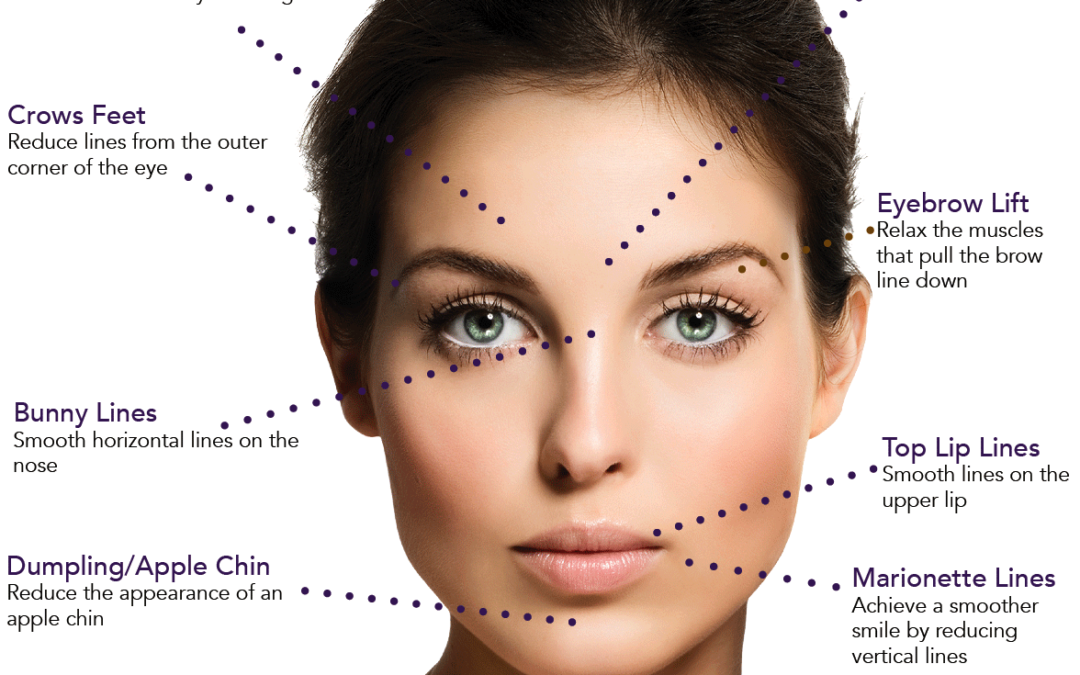
Anti-Ageing treatments contain natural purified toxins as protein to temporarily relax the facial muscles that cause wrinkles and lines of expression. The treatment involves a fine needle injecting the toxin into the area you wish to smooth. The treatment requires no downtime; effects occur within 7-10 days and can last for 2-3 months or longer depending on the area treated, lifestyle and the amount of exercise you do.
Anti-Ageing & Volume Enhancements can also be used for crows feet near the eyes, a lip flip, forehead wrinkles, bunny lines in the nose, smokers lines, neckband reduction, sagging brows, gummy smiles, hyperhidrosis -excessive sweating, migraines, teeth grinding and clenching, and marionette lines at the sides of the mouth.
Volume Enhancement treamtents can last up to a year and are most commonly used for:
Nose correction (reshaping the nose to give it a straighter, larger or more symmetrical appearance)
Providing gentle fullness to the forehead, which represents youth. As we age, the temple area often recesses and filler will gently add a youthful fullness.
Sunken tear troughs represent a tired appearance to the face and dermal filler can fill the recess which stems from the inner corner of the eye and out to the cheek instantly
Lips can lose volume with age and we can also be born with thin lips.
Cheeks are the most popular area to enhance as with ageing, it is one of the first areas to lose volume
Chin augmentation can improve the appearance of a recessed chin and align it with the nose and forehead.
Hand rejuvenation is very popular as a filler that will plump the depleted volume and remove the bony appearance.
Ear lobes are gaining popularity with filler as the combination of age and earrings has often dragged the skin down and needs increased volume.
When having in-clinic treatments, Anti-Ageing & Volume Enhancement treatments can be like the icing on the cake for the final aesthetic result. However, facial treatments such as facials or skin resurfacing treatments are best performed after Anti-Ageing & Volume Enhancement treatments. Individuals must confirm with their cosmetic injector the recommended delay times as it can vary from 24 hours to two weeks. The delay is because the administered solution is best not moved and has a better chance to do the intended work.
When used in conjunction with a good skin care programme at home, in-clinic treatments, and professionally administered registered injectables, you can be the best version YOU.
The sun may be a source of warmth and light, but it can also cause significant harm to our skin if we don’t take the necessary precautions. While many people are diligent about applying sun protection during the summer months, sun damage can occur all year round. Whether it’s a bright winter morning, a crisp autumn day, or the blazing summer sun, the risk of skin damage from UV rays remains ever-present. Protecting our skin from sun exposure is a year-long commitment, and understanding the factors that can reduce the effectiveness of sun protection products is key to staying safe.
Basic Sun Protection Tips
We’ve all heard about the basic sun protection strategies, but it’s important to revisit these principles to ensure we’re following them correctly.
Choose a Broad-Spectrum Sunscreen: Your sunscreen should offer broad-spectrum protection with a minimum SPF of 30, ensuring that it blocks both UVA and UVB rays. UVA rays are responsible for skin ageing, while UVB rays cause sunburn. The higher the SPF, the greater the protection, but anything above 50 SPF offers marginally increased protection.
Seek Shade: The sun’s rays are strongest between 10 am and 4 pm. Staying in the shade during these hours can significantly reduce your exposure to harmful UV radiation. If you’re outdoors, consider using an umbrella or finding cover under trees to limit direct sun exposure.
Reapply Sunscreen Regularly: Even if your sunscreen is water-resistant, it’s important to reapply it every two hours, and more frequently if you’re swimming or sweating. A common mistake is applying too little sunscreen. Make sure to use a generous amount for thorough coverage.
Wear Protective Clothing: Long-sleeved shirts, trousers, wide-brimmed hats, and UV-protective sunglasses provide an additional barrier against UV rays. Look for clothing made from tightly woven fabrics that offer more protection than lighter, looser materials.
Be Aware of Reflective Surfaces: Surfaces like snow, water, sand, and even asphalt can reflect UV rays, amplifying their intensity. Even on cloudy days, or when you’re in shaded areas, reflected UV rays can cause skin damage.
Hydrate Regularly: Sun exposure can lead to dehydration, especially during hot weather. Keeping your body hydrated helps maintain healthy skin and prevents sun-related issues such as heatstroke and sunburn.
Hidden Factors That Affect Sun Protection
While the above guidelines are commonly known, there are some lesser-known factors that can reduce the effectiveness of your sun protection strategy. Being aware of these factors can make all the difference when it comes to safeguarding your skin.
Anti-Ageing Skincare Products: Active ingredients such as alpha hydroxy acids (AHAs), retinol, and beta hydroxy acids (BHAs) are often used in anti-ageing products. However, these ingredients can increase your skin’s sensitivity to UV rays, making you more prone to sunburn and irritation. Additionally, exposure to sunlight can degrade the efficacy of these ingredients, reducing their benefits over time. To minimise the risk, use products containing these ingredients at night and always follow up with daily sunscreen.
Medications That Cause Photosensitivity: Certain medications, including antidepressants like tricyclic antidepressants (TCAs) and selective serotonin reuptake inhibitors (SSRIs), can increase sensitivity to sunlight. This condition, known as photosensitivity, can result in an increased risk of sunburn or rashes. Medications that cause photosensitivity can also become less effective when exposed to UV radiation. Always consult your doctor or pharmacist about the potential effects of sun exposure on your medication.
Antibiotics and UV Exposure: Similar to medications, certain antibiotics are vulnerable to photo-degradation, where exposure to UV rays alters their chemical structure and reduces their effectiveness. To prevent this, store medications in opaque containers and avoid direct sunlight during the course of treatment. If you are prescribed antibiotics, it’s wise to ask your healthcare provider whether sun exposure could affect your medication.
Perfumes, Essential Oils, and Aftershave: Many scented products contain ingredients that can cause skin reactions when exposed to sunlight, a condition known as photo-toxicity or photo-allergy. These reactions often result in hyperpigmentation, irritation, or even severe sunburn. Be cautious when applying perfumes or essential oils to sun-exposed areas of your skin, especially on sunny days.
Foods and Drinks That Increase Sun Sensitivity: Did you know that certain foods and beverages can make your skin more sensitive to the sun? Citrus fruits, such as oranges and lemons, contain psoralens and furocoumarins that can increase your risk of sunburn. Alcohol, on the other hand, dilates blood vessels and dehydrates the body, which can exacerbate sunburn. Spicy foods, high-glycemic snacks, and fried or processed foods can all contribute to inflammation, making sunburn more severe and delaying recovery.
The Importance of Year-Round Sun Protection
In the areas, where overcast days are frequent, many people may assume that sun protection is only necessary during the summer months. However, UV rays can penetrate clouds and still damage the skin. Moreover, cold climates with snow can increase UV exposure due to reflection.
Australia, often referred to as having one of the highest rates of skin cancer globally, offers a stark reminder that sun safety is a year-long issue. Sun damage is cumulative, which means that even brief periods of exposure throughout the year can add up over time, leading to premature skin ageing, sunburn, and an increased risk of skin cancer. Investing in a good sunscreen and practising sun safety, regardless of the season, can help ensure your skin remains healthy for years to come.
This is deeply personal. You’ve affected my skin, my mood, and my confidence. Now, it’s time to part ways.
There are a few new treatments on the horizon that might help with acne and oily skin. But first, let’s delve into what acne is all about.
Identifying the exact cause of acne can be challenging. Multiple factors contribute, including hormonal imbalances, psychological stress, nutritional deficiencies, and genetics. Other influences can include stress, face-picking, excessive scrubbing, cosmetics, and skin irritants. Stress triggers the adrenal glands, and fluctuating testosterone levels can lead to breakouts. Improper extractions can rupture follicles and spread bacteria while touching your face irritates the skin and promotes bacterial growth. Additionally, soaps, cosmetics, hair products, and fabric softeners can be problematic, so it’s best to opt for fragrance-free, dye-free, and preservative-free products.
Types of Acne
Acne Vulgaris: This type usually involves a variety of lesions, such as comedones, papules, pustules, nodules, cysts, and sometimes scars. Propionibacterium acnes bacteria cause Acne Vulgaris.
Acne Cosmetica: Triggered by comedogenic ingredients in topical products, this type typically presents as small, slightly raised red lesions, whiteheads, and occasional pustules. It’s usually non-inflammatory.
Acne Mechanica: Caused by friction or pressure, this type occurs when rubbing or manipulation of microcomedones ruptures follicles. Constant friction from materials like hats can worsen this acne.
Acne Rosacea: More common in women than men, Acne Rosacea is characterised by erythema and telangiectasia. Lesions typically form in the centre of the face, especially on the cheeks and chin.
New Treatments for Acne and Oily Skin
Three treatments that may help reduce acne and oily skin include Tixel, Venus AC Dual, and AviClear. These treatments use heat, laser, and/or red and blue light therapy. People with acne and oily skin are optimistic about these options because they don’t involve systemic medications, potential side effects, or ongoing blood tests.
Tixel: This treatment uses controlled thermal energy to treat sebaceous glands and rejuvenate the skin’s surface. A heated metallic plate delivers short bursts of energy to the skin, constricting sebaceous glands (which produce oil) and triggering a natural healing response, collagen production, and reduction in scar tissue.
Venus Concept AC Dual: This laser uses dual light technology. Blue light targets porphyrin produced by P. acnes bacteria, reducing these bacteria, while red light promotes faster healing and decreases inflammation. However, this treatment might not be suitable for individuals with darker Fitzpatrick skin types.
AviClear: Like the other treatments, AviClear uses laser technology to send a light beam of energy to the sebaceous glands. This reduces oil production, resulting in fewer pimples, less oil, and fewer blackheads.
These treatments can be somewhat uncomfortable, and the skin may remain warm for a few hours post-treatment. Depending on the treatment, sessions may occur every 2-4 weeks or monthly, with results visible in as little as two weeks.
Complementary Care
It’s crucial to maintain a good home care routine before, during, and after these treatments. Collaborating with your doctor, nutritionist, naturopath, or homeopath can help identify if gut or hormonal issues are contributing to your acne. By addressing these factors and making lifestyle changes, significant improvements can be achieved.
With the right approach, saying goodbye to acne can be more than just a wish—it can become your reality.
There is always something new and exciting happening in the aesthetic profession. Some innovations are a fad whilst others are beneficial and can add value to our skin, hair and health. Here are just a few this month that I hope you find interesting.
Ozempic Face & Body: Ozempic is close to being a household name globally. This semaglutide medication is used for those who have diabetes but has won notoriety for its other benefit of assisting with weight loss. In the realm of aesthetics, the semaglutide medications will continue to grow in popularity alongside their effects such as skin laxity and the need for target volume replacement. Often when weight loss is rapid there can be muscle loss, hair thinning and loss, a decrease in volume in the face and loss of skin elasticity. Hence the phrase Ozempic Face and Body. Plastic surgeons have a saying, as we get older choose your face or your body. I believe you can have both when you work simultaneously with correct nutrition and skin care both at home and in the clinic. Semaglutide medications assist with decreasing your appetite, so ensure you are receiving adequate and correct nutrients for your lifestyle and body requirements with the assistance of a nutritionist. When it comes to your skin, volume loss can be assisted with skin boosters and volume enhancement treatments. Skin laxity can be improved from the start of your journey with radio frequency in-clinic treatments, at-home dry body brushing and a prescribed homecare routine with the most active products for use morning and night.
Exosomes: Mesenchymal stem cell-derived exosomes are gaining popularity in the skincare arena due to their regenerative properties. These exosomes contain different types of growth factors and proteins that can enhance collagen production, reduce inflammation and improve the overall health of the skin. Exosomes enhance the skin’s regenerative processes and this in turn can reduce fine lines and signs of ageing resulting in a smoother texture and more youthful appearance. Overseas the exosomes may be injected into the skin or used with skin needling, with promising results. At the moment in Australia, the TGA has not approved the use of exosomes. To date, exosomes are proving to have a better result for rejuvenation when compared to PRP (Platelet-Rich Plasma). It is thought that PRP is limited because as you age the growth factors are reduced, but with the use of exosomes age does not limit their beneficial results.
Hair Stimulation treatments: there are many hair restoration treatments available both medical, in clinic and at home. Hair loss, thinning and colour changes surpass mere aesthetic concerns, deeply affecting an individual’s psychological health. When the hair follicle is not scarred, but is still intact, it can be stimulated with a new serum/treatment called Kojaxin. This is an in-clinic treatment and is used alongside a home care system. The natural hair serum reinforces the structure, fullness, resistance and strength of thin and weak hair in both men and women. Using a combination of 16 highly concentrated and pure active ingredients the hair will increase in volume and density. Hair loss is rarely caused by a single factor. It may include cortisol and stress, medication, hormonal fluctuations, gut issues, autoimmune disorders such as rheumatoid arthritis and lupus, genetics, thyroid imbalances, polycystic ovarian syndrome (PCOS), traction alopecia, chemical hair treatments, heat styling, anemia and high blood sugar levels which rev up your immune system, triggering additional inflammation around hair follicles. The in-clinic treatment may involve skin stamping, LED light therapy, and cold plasma infusion treatments.
Even with new possibilities on the horizon for our well-being and appearance, it is important to see each one as another piece of the health jigsaw puzzle. It is very rare for one treatment, product or food to be the be-all and end-all. If only it were possible, but at this point in time, prioritise your health and lifestyle and your homecare internal and external topicals.