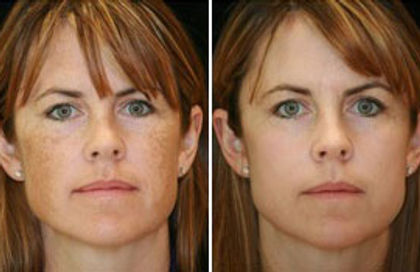
Treatment Guide for IPL & Laser
Light-based treatments have transformed the way many common skin concerns are treated. Whether you’re hoping to reduce pigmentation, improve acne, remove unwanted hair, soften fine lines, minimise visible blood vessels or even remove tattoos, modern IPL, laser and Pico laser technologies offer safe and effective treatment options when performed by qualified professionals.
Although these technologies all use light energy, they work in different ways and are designed to target specific skin concerns. Understanding the differences can help you make an informed decision about which treatment is best suited to your skin.
How Do Light-Based Treatments Work?
IPL and traditional lasers all work by directing carefully controlled light energy into the skin. The light is absorbed by specific targets known as chromophores, including melanin (the pigment that gives skin and hair its colour), haemoglobin within blood vessels, water in the skin, and tattoo ink.
Once the light reaches its target, it creates a controlled reaction. Depending on the treatment being performed, this may break down unwanted pigment, destroy hair follicles, reduce visible blood vessels, stimulate collagen production or encourage the skin to repair and renew itself.
What Is IPL?
Intense Pulsed Light (IPL) differs from a laser because it uses a broad spectrum of light rather than a single wavelength. This allows one treatment to address several concerns simultaneously, making IPL an excellent choice for overall skin rejuvenation.
IPL is commonly used to treat:
- Sun damage and age spots
- Uneven pigmentation
- Redness and rosacea
- Broken capillaries
- Unwanted hair
- Early signs of skin ageing
Treatments are typically performed on the face, neck, chest, hands and other sun-exposed areas. Most people experience only mild discomfort with little downtime, making IPL a popular “lunchtime” procedure. While IPL also stimulates collagen production, it is generally less effective for tightening the skin than specialised resurfacing lasers.
What Are Traditional Lasers?
Unlike IPL, a laser produces one highly focused wavelength of light. Each wavelength is designed to target a specific skin concern, allowing treatments to be more precise and often more powerful.
Different laser systems are used depending on the condition being treated. They may target pigmentation, blood vessels, hair follicles, tattoo ink or water within the skin for resurfacing procedures.
Because lasers deliver concentrated energy to a precise target, they often produce more dramatic results for specific concerns than IPL.
Laser Resurfacing
Laser resurfacing is considered one of the most effective treatments for improving skin texture and reducing visible signs of ageing. It is commonly recommended for fine lines, wrinkles, enlarged pores, acne scars, sun damage and skin laxity.
These treatments target water within the skin, triggering the body’s natural healing response and stimulating the production of fresh collagen and elastin.
There are two main approaches:
Ablative lasers remove the outer layers of damaged skin while heating deeper tissue to encourage collagen production. They generally provide the most significant improvements but require a longer recovery period. Modern fractional technology treats only tiny sections of skin at a time, allowing surrounding healthy tissue to speed healing.
Non-ablative lasers work beneath the skin’s surface without removing the outer layer. Recovery is usually quicker, although a series of treatments may be required to achieve optimal results.
Choosing the Right Treatment
The best treatment depends on your skin type, concerns, medical history and desired results. Factors such as skin tone, the depth of pigmentation, vascular conditions, acne scarring, tattoo colour and the amount of downtime you can accommodate all influence the most appropriate treatment plan.
In general:
- IPL is ideal for treating multiple superficial skin concerns with minimal downtime.
- Traditional lasers provide highly targeted treatment for concerns such as hair removal, vascular lesions and skin resurfacing.
Before undergoing any light-based procedure, a comprehensive consultation with a qualified practitioner is essential. Your skin will be assessed, your goals discussed and an individualised treatment plan developed to ensure the safest and most effective outcome, for healthier looking skin with results that continue to improve over time.