The Undetectable Era: The Future of Natural Beauty
The beauty industry is constantly evolving, and today, we are entering the Undetectable Era, a movement that prioritises subtle enhancements over obvious cosmetic alterations. This shift embraces techniques, treatments, and products designed to enhance natural beauty while preserving individuality. Gone are the days of excessive cosmetic procedures that immediately stand out. Instead, the goal is to refine and refresh, helping individuals look like the best version of themselves rather than a completely different person.
For my clients, the aim is a fresh, well-rested, and youthful appearance, without anyone being able to pinpoint exactly what has changed. This era is being driven by a combination of cutting-edge technology, innovative techniques, and a cultural move away from extreme beauty trends. The demand for exaggerated facelifts, overfilled cheeks and lips, and harsh contouring is waning in favour of sophisticated, personalised treatments that deliver natural-looking results.
Here are some of the most sought-after treatments shaping the Undetectable Era:
Regenerative Skin Boosters
Regenerative skin boosters are becoming increasingly popular for their ability to revitalise, hydrate, and improve overall skin quality. These advanced serums enhance skin texture and tone, promoting a naturally radiant complexion. They can be used as standalone treatments or combined with other procedures like laser therapy, microneedling, and chemical peels for enhanced results.
One of the most talked-about skin boosters involves exosomes, salmon DNA, and PRP (Platelet-Rich Plasma), a powerful combination known for its ability to repair and regenerate skin at a cellular level.
Skin Brightening & Tightening Procedures
A combination of advanced technologies is now being used to restore skin firmness, improve tone, and address concerns like pigmentation, fine lines, and laxity. Key treatments include:
Radio Frequency (RF) Microneedling This combines microneedling with radio frequency energy to stimulate collagen production and rejuvenate the skin. A highly effective approach is to perform one or two regular microneedling sessions over 1–3 weeks to trigger angiogenesis (the formation of new blood vessels), followed by an RF microneedling session for deeper skin tightening. This method successfully treats fine lines, scar tissue, and skin laxity.
Advanced Laser Rejuvenation Various laser modalities can be used to address pigmentation, capillaries, and collagen loss. Intense Pulsed Light (IPL), fractional laser, and Q-switched laser treatments can target stubborn pigmentation while stimulating collagen renewal. Layering different laser treatments within a single session is an effective way to tackle multiple concerns simultaneously.
HIFU (High-Intensity Focused Ultrasound) HIFU technology penetrates deeper layers of the skin than RF microneedling, targeting the dermis and foundational support structures. This treatment tightens and firms the skin, reducing sagging, lifting the jawline and refining contours. HIFU stimulates elastin and collagen production, strengthens facial muscles, and helps reduce the appearance of nasolabial folds and under-chin fat deposits.
INJECTIBLES: The Art of Subtle Enhancement
Expertly placed injectables can refresh and balance the face while maintaining a completely natural look.
Neuromodulators (e.g.,Dysport, Xeomin) – These treatments smooth fine lines and wrinkles, subtly lift the brows, open the eyes and slim the jawline. When administered by skilled practitioners, they provide a refreshed, youthful effect without freezing facial expressions.
Hyaluronic Acid-Based Fillers – Unlike the overly plumped look of past decades, today’s approach to fillers focuses on subtle volume restoration. Strategically placed hyaluronic acid fillers can address under-eye hollows, enhance cheek contours, and soften nasolabial folds for a rejuvenated yet undetectable result.
A Personalised Approach to Beauty
As technology and cosmetic science continue to advance, the beauty industry is moving away from the outdated one-size-fits-all approach. The Undetectable Era is about enhancing confidence by refining natural beauty rather than reshaping it. By embracing sophisticated and subtle treatments, achieving a radiant, refreshed look has never been easier. The goal is not to look different—but to look like the best version of you.
Mirror, Mirror on the Wall, Who Has the Best Glass Skin of All?
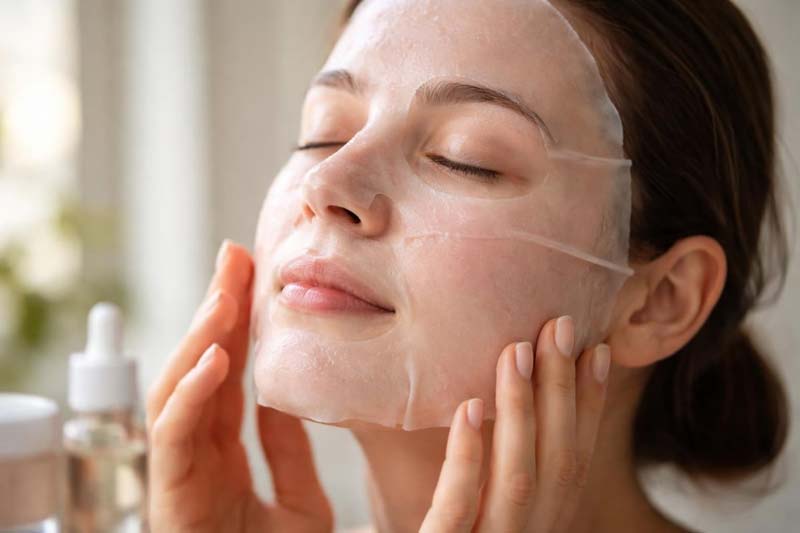
Glass skin evokes a vision of flawless perfection: smooth, radiant, and luminous – a skincare goal that captivates beauty enthusiasts worldwide. This trend, which has dominated social media platforms for over a year, shows no signs of fading. Originating in South Korea, a global leader in innovative skincare, the glass skin phenomenon has inspired countless individuals to pursue a complexion that mirrors polished glass. So, how can you achieve this coveted look every day? A synergistic approach combining a consistent home skincare regimen, professional in-clinic treatments, and a holistic, health-focused lifestyle is essential to unlock this radiant, dewy appearance.
Glass skin is defined by its reflective quality, resembling the clarity and sheen of glass. It is skin that appears well-hydrated, plump, and glowing, with a smooth texture free from visible imperfections. While makeup can temporarily mask the outer layers of the skin, achieving true glass skin requires nurturing its deeper layers to reveal natural beauty. This process begins with internal health, as the skin, our body’s largest organ, serves as a mirror reflecting our overall well-being. A lifestyle that prioritises wellness lays the foundation for radiant skin. Consistent sleep patterns, ideally seven to nine hours nightly, allow the skin to repair and regenerate overnight. Drinking ample alkaline or ionised water hydrates cells from within, promoting a plump, youthful complexion. Limiting alcohol consumption reduces inflammation, which can otherwise dull the skin’s vibrancy.
Regular exercise, such as brisk walking, cycling, or yoga, enhances blood circulation, delivering oxygen and essential nutrients to skin cells. A diet rich in antioxidant-packed fruits and vegetables – like blueberries, spinach, kale, and avocados – alongside lean proteins and healthy fats, such as those found in salmon, walnuts, or chia seeds, while minimising processed foods, helps purge toxins and supports skin vitality. Although perfect skin may remain an elusive ideal, these habits bring you closer to the glass skin goal while fostering overall health. The connection between body and skin is inseparable, working hand in hand to achieve lasting results.
The next step towards glass-like skin is a meticulously crafted home skincare regimen, starting with proper cleansing techniques. Over-cleansing or using harsh methods can be as detrimental as neglecting the skin altogether. Avoid hot water, particularly during cooler months, as it can damage delicate facial capillaries, leading to redness or broken vessels that require additional treatments. Instead, opt for lukewarm or cool water paired with a gentle cleansing gel, milk, or mousse suited to your skin type. For those wearing makeup, a double cleanse at night effectively removes makeup, sunscreen, and impurities, ensuring a clean canvas. In the morning, a single cleanse suffices to eliminate bacteria and sweat that accumulate overnight, refreshing the skin for the day ahead.
Following cleansing, incorporate mechanical skin rejuvenation using gauze and a pH-balanced toning lotion both morning and night. This step gently removes dead skin cells, promoting a smoother texture. However, over-exfoliation must be avoided, as it can compromise the skin’s protective barrier, leading to sensitivity and accelerated ageing.
As we age, cellular turnover naturally slows, necessitating a combination of mechanical and chemical rejuvenation. Products containing retinol or alpha hydroxy acids (AHAs) can stimulate cell renewal, but they should be used cautiously to avoid irritation. Once the skin is prepped, apply nutrient-rich serums and hydrators containing ingredients like peptides, growth factors, antioxidants, vitamin C, resveratrol, hyaluronic acid, and lipid-based hydrators such as omega essential fatty acids. Begin with a product like Cucumber Spritz from Rhonda Allison to attract and retain moisture in the epidermis, enhancing the dewy, glass-like appearance that defines this look.
To accelerate progress, complement your home routine with monthly in-clinic corrective treatments. These may include advanced procedures like laser therapy or chemical peels to address uneven skin tone, pigmentation, or texture, followed by relaxing JetPeel Hydro-dermabrasion (exfoliation an& hydration) sessions to restore moisture.
Electroporation treatments can further enhance hydration and vitality by delivering active ingredients deep into the skin. With dedication to internal health, a disciplined home regimen, and professional support from your skin therapist, glass skin becomes an achievable reality, radiating beauty from within to the outside.
Let There Be Light | LED (Light-Emitting Diode) & Bioptron
Healing through light therapy, such as LED or Bioptron (polarised light) or through infrared light treatments is the perfect way to assist the body to function more positively and heal. Light therapy uses specific wavelengths of light (like red and near-infrared) to penetrate skin, stimulate cells, boost energy (ATP), and trigger natural repair processes, accelerating wound healing, reducing inflammation, improving skin conditions, and aiding recovery from procedures by promoting collagen, blood flow, and cell regeneration. It’s a non-invasive treatment that can be used alone or with other therapies for faster, and better healing with minimal downtime.
LED (Light-Emitting Diode), emits a concentrated beam of light that can easily penetrate the skin where it can effectively heal and regenerate the body. NASA discovered an accidental breakthrough when they used LEDs to grow plants in space by replacing traditional lights. When their astronauts returned, NASA noticed that they had lost less muscle mass than usual and began conducting experiments with LED’s and skin rejuvenation.
LED Therapy is designed to be comfortable, non-invasive and pain-free. It will increase cellular turnover, strengthen, rejuvenate and detoxify all skin types, no matter what colour. LED Light Therapy energises and repairs damaged cells, encourageing more efficient production of collagen, elastin and hyaluronic acid.
Our cells can absorb the energy of the light like photosynthesis in plants. This enables our skin to use this energy which stimulates the skin’s metabolism and blood circulation, regenerates new collagen and provides an overall glowing, youthful look and refinement of texture for the skin. It enhances the elasticity of the skin, improves the skin tone and is an anti-ageing treatment.
LED Light Therapy also plays a big role in the improvement of Skin Health. This includes stimulating Lymph Circulation, the reduction of Inflammation, Rosacea & Congested Redness, Acne, and Hyper-Pigmentation, along with Body Skin Firming, and supporting the process of Skin Renewal.
Each colour setting performs a unique function, delivering results specific to skin concerns. Infrared light may be used in conjunction with LED Therapy and will assist with wound healing and pain relief. Infrared light stimulates the activity of fibroblasts, which are responsible for supporting the skin and giving it its elasticity.
Bioptron Light Therapy is a unique, optimised, patented combination of light features in the visible and infrared part of the light spectrum. The infrared range in particular gives mitochondria the stimulus needed to maximise cellular function, whether it be for wound healing, skin repair, collagen production, boosting the which bio-stimulates cells and accelerates the healing process of a broad range of skin conditions. This treatment is brilliant for anyone requiring post-surgery wound healing, including liposuction, facelift and skin cancer surgery. Just as plant photosynthesis is stimulated by light, your skin also reacts positively to various light wavelengths. The Bioptron cosmetic light therapy system produces incoherent polarized light of specific power density and wavelengths from 480 nm to 3400 nm, combining visible and infrared light and has no UV radiation.
In Europe Seasonal Affective Disorder (SAD) has also been treated successfully with the use of the Bioptron. The addition of the light may possibly assist with regulating serotonin and melatonin levels and the production of Vitamin D.
Energise your skin’s cells with light therapy for visibly radiant, healthy and rejuvenated skin. While a single session can boost healing, the best results come from consistent treatments.
Tips for Post-Treatment Skin & Aftercare Essentials
Over the past two decades, the aesthetic profession has grown rapidly. Where once treatments were limited to microdermabrasion, peels, and CO₂ laser, the medical aesthetics industry now provides a wide range of procedures. With this expansion comes the need for carefully considered aftercare that supports and strengthens the skin. Any procedure that affects the epidermis (top layer), dermis (middle layer) or subcutaneous layer (deeper layer) requires focused care in the days, weeks or even months that follow to promote optimal healing outcomes.
When the skin is in a compromised or wounded state, it progresses through several distinct healing phases. During this time, it is essential to avoid potentially irritating ingredients such as dyes, parabens, synthetic fragrances, mineral oils, lanolin and sodium lauryl sulphate. Instead, the focus should be on ingredients and routines that hydrate, repair, and reinforce the skin’s structure.
There are four primary stages of wound healing:
The inflammatory response begins immediately after injury to the skin or body. The key signs of this phase include swelling, redness, heat and discomfort. During this stage, platelets release growth factors that initiate the healing process.
The second phase involves re-epithelialisation, granulation tissue formation and angiogenesis. This stage typically starts within the first 24 hours and involves keratinocytes migrating to the wound base, encourageing increased cell turnover and regeneration.
Granulation tissue development and angiogenesis continue into the second or third day. Fibroblasts play a central role here, driving the formation of new tissue. Blood vessels and extracellular matrix components work together to create structure and protection, supplying oxygen and nutrients while forming a temporary barrier over the affected area.
The remodelling phase focuses on collagen production and restructuring. Fibroblasts remain critical during this stage, influencing the skin’s texture and strength. Water is gradually reabsorbed, collagen fibres become more organised, and the epidermis appears thicker and more resilient. This phase begins once inflammation subsides and may continue for several months depending on treatment depth.
Throughout the healing process, the skin is particularly sensitive, and anything applied topically has an amplified effect. Each treatment varies in intensity, which means a standardised aftercare routine is rarely appropriate.
Following injectable treatments such as Botox or dermal fillers, it is common to experience redness, swelling, tenderness and mild bruising. Using arnica in the days before and after treatment can be beneficial, as it supports circulation and may help reduce the duration of bruising.
Non-ablative laser treatments use light energy to penetrate the skin and address concerns such as pigmentation, sun damage, visible capillaries and rosacea. In the days after treatment, the skin may feel tight and dry and begin to flake. Incorporating antioxidants, exosomes, peptides and growth factors during this period can help dissipate heat, calm inflammation, support cellular repair, strengthen the skin barrier and improve hydration. These additions not only enhance comfort but also contribute to longer-term skin health and improved results.
More intensive treatments such as ablative laser, deep microneedling and chemical peels work by removing or disrupting the outer layers of the skin to stimulate fibroblast activity and renewal. During recovery, ingredients like Indian ginseng, D-alpha-tocopherol and squalane are particularly effective. They help minimise trans epidermal water loss while restoring and reinforcing the skin barrier.
It is vital to pay close attention to both the ingredients used and their quality when undergoing any medical-grade procedure that leaves the skin vulnerable. Proper aftercare is just as important as the treatment itself and plays a key role in preventing complications such as pigmentation or scarring. When aftercare is taken seriously, the difference in results can be significant.
Have you ever wondered why that miracle cream worked wonders a few months ago and now suddenly seems ineffective? Or why your skin reacts differently in summer versus winter? The truth is, your skin is a living, breathing organ that constantly evolves in response to internal and external factors, including seasonal change.
Think of your skin like your garden. You wouldn’t care for your roses the same way in July as you would in January. The same principle applies here. Understanding what your skin needs throughout the year isn’t about following trends or influencers; it’s about learning to read the signals your skin is giving you.
When you start to tune in, patterns become obvious. Dryness, congestion, sensitivity or dullness are often seasonal responses rather than random skin issues.
Autumn and Spring Skin Care: Reset and Rebalance
These in-between seasons often catch us off guard. Your skin can feel unsettled as it adjusts to fluctuating temperatures, humidity levels and environmental changes.
After summer, skin can feel thick, congested and uneven due to excess oil, sunscreen buildup and sun exposure. After winter, it often feels dry, tight and lacking vitality. This makes autumn and spring the ideal time to reset and rebalance.
Autumn and Spring Revival Tips:
Serums are one of the most effective ways to restore hydration and skin function. Their lightweight structure allows active ingredients to penetrate deeper, improving texture, softening fine lines and supporting overall
skin strength
Gentle exfoliation helps remove built-up dead skin cells, allowing your products to absorb more effectively and encourageing healthy cell turnover
Pigmentation is often more noticeable in autumn following increased sun exposure. Treatments such as IPL, Q-Switch ReGen and Clinical Peels can assist with improving tone and clarity
Oxygen-based treatments support circulation, detoxification and cellular repair. These are particularly beneficial after periods of stress, travel or environmental exposure
Winter: The Moisture Crisis
When temperatures drop and heating systems are used more frequently, your skin faces a significant hydration challenge. Cold outdoor air strips away natural oils, while indoor heating and hot showers further deplete moisture levels.
This combination can lead to dryness, irritation, flaking and increased sensitivity if not properly managed.
Winter Skin Care Priorities:
Switch to cream-based cleansers that support and protect your natural skin barrier
Layer hydrating serums containing ingredients such as hyaluronic acid and ceramides, followed by a richer moisturiser to lock in hydration
Continue using sunscreen daily, as UV rays still penetrate cloud cover and contribute to premature ageing
Consider using a humidifier indoors to counteract dry air and support skin hydration overnight
Summer: A Balancing Act
Warmer temperatures increase oil production, and higher humidity levels can lead to congestion and breakouts. At the same time, increased sun exposure accelerates skin ageing and can compromise skin health.
Summer is less about heavy hydration and more about balance, protection and prevention.
Summer Skin Care Adjustments:
Switch to gel-based or lightweight moisturisers to maintain hydration without clogging pores
Use a broad-spectrum SPF daily and reapply every two hours when outdoors
Incorporate antioxidants such as vitamin C to help defend against environmental damage and support skin repair
Keep the routine simple and breathable to avoid overwhelming the skin during hotter months
Remember: A healthy, radiant complexion is not about using more products; it’s about using the right ones at the right time.
Your skin is unique, with its own patterns, preferences and responses. What works for someone else may not work for you, and that’s completely normal.
By staying aware of how your skin responds to seasonal changes, you can create a routine that evolves with you. Over time, this becomes less about trial and error and more about understanding and consistency.
Be patient, stay consistent, and treat your skin with care. As the seasons shift, your skin will reward you with strength, balance and a natural, healthy glow.