by Sue Carroll | May 11, 2026 | Uncategorized
Healthy, Glowing Skin in Every Season
Have you ever wondered why that miracle cream worked wonders a few months ago and now suddenly seems ineffective? Or why your skin reacts differently in summer versus winter? The truth is, your skin is a living, breathing organ that constantly evolves in response to internal and external factors, including seasonal change.
Think of your skin like your garden. You wouldn’t care for your roses the same way in July as you would in January. The same principle applies here. Understanding what your skin needs throughout the year isn’t about following trends or influencers; it’s about learning to read the signals your skin is giving you.
When you start to tune in, patterns become obvious. Dryness, congestion, sensitivity or dullness are often seasonal responses rather than random skin issues.
Autumn and Spring Skin Care: Reset and Rebalance
These in-between seasons often catch us off guard. Your skin can feel unsettled as it adjusts to fluctuating temperatures, humidity levels and environmental changes.
After summer, skin can feel thick, congested and uneven due to excess oil, sunscreen buildup and sun exposure. After winter, it often feels dry, tight and lacking vitality. This makes autumn and spring the ideal time to reset and rebalance.
Autumn and Spring Revival Tips:
- Serums are one of the most effective ways to restore hydration and skin function. Their lightweight structure allows active ingredients to penetrate deeper, improving texture, softening fine lines and supporting overall
- skin strength
- Gentle exfoliation helps remove built-up dead skin cells, allowing your products to absorb more effectively and encouraging healthy cell turnover
- Pigmentation is often more noticeable in autumn following increased sun exposure. Treatments such as IPL, Q-Switch ReGen and Clinical Peels can assist with improving tone and clarity
- Oxygen-based treatments support circulation, detoxification and cellular repair. These are particularly beneficial after periods of stress, travel or environmental exposure
- Winter: The Moisture Crisis
When temperatures drop and heating systems are used more frequently, your skin faces a significant hydration challenge. Cold outdoor air strips away natural oils, while indoor heating and hot showers further deplete moisture levels.
This combination can lead to dryness, irritation, flaking and increased sensitivity if not properly managed.
Winter Skin Care Priorities:
- Switch to cream-based cleansers that support and protect your natural skin barrier
- Layer hydrating serums containing ingredients such as hyaluronic acid and ceramides, followed by a richer moisturiser to lock in hydration
- Continue using sunscreen daily, as UV rays still penetrate cloud cover and contribute to premature ageing
- Consider using a humidifier indoors to counteract dry air and support skin hydration overnight
Summer: A Balancing Act
Warmer temperatures increase oil production, and higher humidity levels can lead to congestion and breakouts. At the same time, increased sun exposure accelerates skin ageing and can compromise skin health.
Summer is less about heavy hydration and more about balance, protection and prevention.
Summer Skin Care Adjustments:
- Switch to gel-based or lightweight moisturisers to maintain hydration without clogging pores
- Use a broad-spectrum SPF daily and reapply every two hours when outdoors
- Incorporate antioxidants such as vitamin C to help defend against environmental damage and support skin repair
- Keep the routine simple and breathable to avoid overwhelming the skin during hotter months
Remember: A healthy, radiant complexion is not about using more products; it’s about using the right ones at the right time.
Your skin is unique, with its own patterns, preferences and responses. What works for someone else may not work for you, and that’s completely normal.
By staying aware of how your skin responds to seasonal changes, you can create a routine that evolves with you. Over time, this becomes less about trial and error and more about understanding and consistency.
Be patient, stay consistent, and treat your skin with care. As the seasons shift, your skin will reward you with strength, balance and a natural, healthy glow.
by Sue Carroll | Mar 22, 2026 | Uncategorized
What is the buzz with Korean skincare?
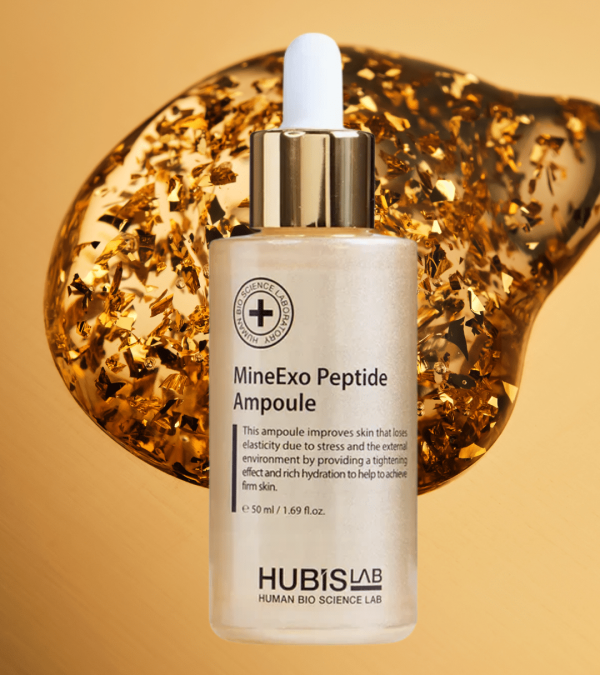
As a skincare professional, I am constantly immersed in the world of wellness and beauty, and understanding the nuances of skincare ingredients is essential. In recent years, Korean concentrated extracts have emerged as a game-changer in the skincare industry, offering benefits that elevate skincare to new levels.
So what makes Korean skincare so talked about, and why are these concentrated extracts getting so much attention?
A Blend of Tradition and Innovation
Korean skincare embodies a harmonious blend of ancient herbal wisdom and modern scientific innovation. At the core of this approach are concentrated extracts, designed to capture the pure essence of botanicals in their most potent form.
This philosophy focuses on working with the skin rather than against it, supporting long-term skin health while delivering visible results.
The Art of Extraction
According to industry importer Liane Scior, one of the defining features of Korean concentrated extracts is the artistry behind their extraction methods.
Techniques such as cold pressing and fermentation are commonly used to preserve the integrity of bioactive compounds. These gentle processes maintain the natural synergy and nutritional richness of the botanicals, ensuring high efficacy without compromising potency.
These extracts are rich in vitamins, antioxidants, amino acids and exosomes. Their molecular structure allows deeper penetration into the skin, enabling them to work more effectively at a cellular level.
Multi-Benefit Skincare Solutions
This holistic approach aligns with the growing demand for skincare that addresses multiple concerns at once. Rather than targeting a single issue, Korean formulations often support hydration, tone, sensitivity and overall skin health in one step.
Clients seeking visible, transformative results are increasingly drawn to products that deliver broad-spectrum benefits without overcomplicating their routine.
The Science Behind the Results
The effectiveness of Korean concentrated extracts is supported by a strong scientific foundation. These ingredients work across several key areas of skin health:
- Stimulating Collagen Production: Collagen is essential for skin elasticity and firmness. Ingredients such as ginseng extract have been shown to support collagen synthesis, improving texture and reducing the appearance of fine lines.
- Enhancing Skin Barrier Function: The skin barrier protects against moisture loss and environmental stress. Extracts like ceramides and green tea help strengthen this barrier, improving hydration and reducing sensitivity.
- Reducing Oxidative Stress: Free radicals contribute to premature ageing and skin damage. Antioxidant-rich extracts, including vitamin C and resveratrol, help neutralise these effects and support overall skin vitality.
- Promoting Healthy Cell Turnover: Ingredients such as AHAs and BHAs encourage gentle exfoliation and renewal, resulting in smoother, brighter skin and improved clarity.
A Return to Nature, Backed by Science
In a saturated skincare market, Korean concentrated extracts offer a return to nature while still being backed by science. This balance resonates with those seeking clean, sustainable and effective skincare solutions.
However, it is important to remember that not every product labelled as Korean skincare is automatically high quality. Doing your due diligence is essential to ensure you are investing in products that truly deliver results.
In-Clinic Applications
In the clinic, treatments such as skin needling and electroporation are often enhanced with Korean skincare products. These advanced treatments, combined with potent extracts, can help achieve the sought-after “glass skin” result — smooth, clear and luminous.
The Future of Skincare
Korean concentrated extracts represent a shift in how we approach skincare, combining tradition, innovation and scientific understanding.
For skincare professionals, integrating these extracts into both in-clinic treatments and home care routines opens up new possibilities for achieving healthy, radiant skin.
The journey to better skin is no longer just about surface results. It is about supporting the skin at every level, creating outcomes that are both visible and lasting.

by Sue Carroll | Feb 12, 2026 | Uncategorized
Refresh, Restore & Rebalance After The Festivities
After the Christmas and New Year festivities, many of us find ourselves carrying a few extra kilos. While the temptation for a quick fix is strong, it is important to consider your overall health, body and skin before beginning any weight loss journey in 2026.
Taking a balanced approach that considers your age, general health and realistic goals is a smart place to start.
Start With a Personalised Plan
Whether you consult your local GP, a clinical nutritionist or a naturopath, working with a professional can help you understand your starting point and define a realistic, sustainable goal.
This personalised approach not only supports effective weight loss but also helps maintain long-term health and wellbeing.
The Rise of GLP-1 Medications
The increasing use of GLP-1 medications such as Ozempic, Mounjaro and Wegovy is reshaping how practitioners approach weight loss support.
These medications are influencing how skin clinics, naturopaths and clinical nutritionists support their clients throughout the process, particularly when it comes to maintaining skin health and nutrient balance.
Supporting the Body Before Weight Loss
Kylie Dowling, a Northern Beaches clinical nutritionist, recommends restoring digestive resilience and nutrient adequacy before beginning a weight loss programme, whether natural or supported by GLP-1 medications.
This approach helps the body respond more effectively, especially to GLP-1 therapy, supporting sustainable weight loss and improved metabolic health rather than simply reducing appetite.
Nutrient Support During GLP-1 Therapy
Anka Maksimovic, a nurse and university-qualified naturopath, highlights that intravenous vitamin infusions can provide gentle, restorative support for both women and men using semaglutide during their weight loss journey.
As semaglutide slows gastric emptying and often reduces overall food intake, individuals may unintentionally fall short in key nutrients such as iron, vitamin D, magnesium, B vitamins and hydration. This can present as fatigue, low energy, dry or flaky skin, and slower recovery.
Intravenous delivery bypasses the digestive system, making nutrients immediately available to the cells. This can help stabilise energy, support detoxification pathways during fat mobilisation, and reduce the depleted feeling that sometimes accompanies rapid appetite changes.
From a naturopathic perspective, IV therapy is best viewed as a supportive complement rather than a replacement for quality nutrition, targeted supplementation and proper monitoring.
A Whole-Person Approach to Care
Research indicates that GLP-1 therapies can alter nutrient intake and absorption patterns. Pairing baseline blood testing with diet optimisation and personalised IV infusions can support cellular energy, skin health and overall resilience.
These infusions may include combinations such as magnesium, B-complex vitamins, vitamin C, amino acids, glutathione and hydration support. All treatments should be tailored to the individual.
Working with a qualified clinician ensures key nutrient levels such as iron, vitamin D and electrolytes are monitored, allowing IV therapy to safely support a personalised, whole-person health plan.
Skin Changes Beyond Weight Loss
From an aesthetic perspective, the effects of weight loss often extend beyond the scales. Changes may include slower healing, impaired skin barrier function, increased fragility and shifts in body composition.
This has led to terms such as “Ozempic face” and “Ozempic body”, describing visible changes in skin and tissue. It is also important to remember that targeted fat loss in specific areas is not possible.
The Role of In-Clinic Treatments
In-clinic treatments can play an important role in supporting the skin during weight loss. Starting firming treatments early and continuing them throughout the journey can significantly reduce skin laxity.
This allows the skin to adjust gradually rather than becoming loose or crepey. Waiting until weight loss is complete often makes these concerns more difficult to address, requiring more time, greater cost and producing less predictable results.
Combining professional treatments with consistent home care gives the skin the best chance to remain firm, resilient and supported as the body changes.
A Supported Path to Confidence
Whether weight loss is achieved naturally or supported by GLP-1 medications, the process can involve longer healing times, changes in skin integrity and shifts in body composition.
With careful planning and guidance from a team of professionals, the journey can deliver more than physical results. It can support renewed confidence, improved health and a more balanced approach to long-term wellbeing.

by Sue Carroll | Jan 24, 2026 | Uncategorized
Boost Summer Sun Protection For Your Skin
We live in one of the best countries in the world, with an outdoor lifestyle and plenty of sunny weather. The sun is important for our mental and physical wellbeing, but too much exposure can cause cellular damage and contribute to premature skin ageing.
Balance and awareness are crucial when it comes to avoiding skin damage. Understanding how to protect your skin and how to boost that protection is especially important in Australia.
Understanding UV Rays
The sun produces three forms of ultraviolet rays: UVA, UVB and UVC.
UVA rays are often known as the ageing rays. They are a major contributor to fine lines, wrinkles, pigmentation, and the rough or leathery-looking texture that can appear in the skin as we get older.
UVB rays are known as the burn rays. These rays damage the outermost layers of the skin, known as the epidermis, causing redness, blistering and sunburn.
UVC rays are absorbed by the earth’s atmosphere and do not usually reach the skin.
Both UVA and UVB rays can contribute to skin cancers, which is why healthy sun protection habits from a young age are so important in Australia.
How Sun Damage Affects the Skin
Too much sun exposure, particularly between 10:00 am and 4:00 pm, can damage the DNA within skin cells. This damage can alter the cells and cause them to replicate too quickly, which may lead to precancerous lesions and tumors.
Years of suntanning can significantly increase the risk of basal cell carcinomas and squamous cell carcinomas. Some studies have also found that severe blistering sunburns, especially under the age of 18, may increase the risk of melanoma later in life.
How Much Sun Is Enough?
So how much sun is too much, or too little?
Aim for around 15 minutes of direct sunlight twice per day, ideally in the early morning and late afternoon, without sunglasses or sunscreen. This gentle exposure can support liver function, energy, mood and general wellbeing.
Anything beyond this is where sensible sun protection becomes important.
Use a Quality Broad-Spectrum Sunscreen
The best way to shield your skin and body from damaging UV rays is to use a quality broad-spectrum sunscreen with an SPF of at least 30+.
There are also other ways to boost your skin’s protection from the harmful effects of the sun. Applying a professional topical antioxidant serum and vitamin E serum before sunscreen can help support the skin. Consuming more antioxidants internally may also assist, so drinking green tea and eating summer berries are simple ways to boost your health and antioxidant levels.
Be Careful With Active Skincare Ingredients
Some anti-ageing and resurfacing ingredients can increase sensitivity to sunlight. These include AHAs, retinol, BHAs such as salicylic acid, and benzoyl peroxide.
These ingredients can make the skin more prone to burning and irritation, so extra care with sun protection is essential when using them.
Reapply Sunscreen Regularly
Reapplying sunscreen is important. Many people think that applying sunscreen once in the morning will provide protection for the whole day, but this is not the case.
A good rule of thumb is to reapply sunscreen every two hours when you are outside for extended periods. If you are sweating or spending time in the water, you may need to reapply sooner.
Reflective surfaces such as snow, water, sand and asphalt can intensify UV exposure. This is another reason why reapplying every two hours is so important.
Protective Clothing Makes a Difference
UV-protective clothing can be a great support, particularly if you work outdoors or spend more than a few hours enjoying the Australian lifestyle.
If you do not have UV-protective clothing, a rash guard or even a lightweight cotton t-shirt and long pants that cannot be seen through can make a difference.
Be sure to wear sunglasses to protect your eyes, along with a wide-brimmed hat that protects your face and ears. A baseball cap is not enough for good sun protection, as it only protects part of the face and leaves the ears exposed.
Choose Your Sunscreen Carefully
Australia’s sunscreen industry is facing one of its biggest trust tests in years. Do your due diligence when choosing a sunscreen so you can feel confident in your sun protection.
The power to slow premature ageing and protect your body is in your hands this summer.

by Sue Carroll | Dec 5, 2025 | Uncategorized
Electrolytes & Skin Health
Electrolytes are often overlooked in skincare. In a world dominated by buzzwords like stem cells, growth factors and peptides, these essential minerals rarely get the spotlight. Yet even in modest doses, electrolytes offer powerful benefits for skin health and performance.
What Are Electrolytes?
The term “electrolyte” comes from Greek origins meaning “electric” and “to dissolve”. When dissolved in water, electrolytes carry an electric charge and form an ionic solution.
This ionic activity allows active ingredients to be absorbed more effectively into the skin, particularly when paired with advanced delivery methods such as iontophoresis and electroporation.
Why Electrolytes Matter for Skin
Electrolytes are essential for muscle and nerve function, blood pressure regulation, hydration and maintaining the skin’s pH balance. In the skin, they help regulate moisture levels, prevent dryness and support overall skin resilience.
A balanced mineral environment, including elements such as copper and zinc, supports healthy skin cell function, encourages renewal and assists in collagen production.
Think of electrolytes as the skin’s internal communication system. Like charged batteries, they help transport nutrients across cell membranes and support the recycling of amino acids into collagen and elastin.
The result is improved absorption of skincare products, greater effectiveness and more visible results.
Key Benefits of Electrolytes in Skincare
Hydration: Electrolytes act as water-binding agents, helping the skin attract and retain moisture. They support the skin barrier and reduce trans-epidermal water loss (TEWL), leaving the skin plump and hydrated.
Anti-inflammatory Support: Electrolytes help calm sensitive skin, reduce redness and support healing. They are particularly beneficial in post-treatment care following procedures such as laser or deep peels, where minimising irritation and pigmentation risk is essential.
pH Balance: Minerals regulate the movement of nutrients in and out of cells, helping maintain a stable skin pH. Electrolytes such as magnesium and potassium support healing while reducing dryness, irritation and sensitivity.
Improved Absorption: Electrolytes act like a delivery system, helping other active ingredients penetrate deeper into the skin. This improves the effectiveness of skincare products while reducing the likelihood of irritation.
Skin Barrier Protection: The skin barrier protects against environmental stressors and moisture loss. Electrolytes help strengthen this barrier, defending the skin from UV exposure, pollution, harsh weather, blue light and lifestyle factors such as smoking and poor diet.
Common Electrolytes in Skincare
Magnesium: Often referred to as the skin’s spark plug, magnesium supports circulation, stabilises hydration and boosts antioxidant activity. It is anti-inflammatory and can help soothe conditions such as eczema and psoriasis.
Sodium: Known as the hydration hero, sodium helps regulate water levels in the skin. It attracts and retains moisture, keeping the skin supple and plump.
Potassium: Potassium helps balance the skin’s pH, maintain hydration and support optimal cell function. It assists in reducing dryness, sensitivity and irritation while enhancing skin elasticity and firmness.
Calcium: Often called the barrier repair expert, calcium strengthens the skin’s outer layer, improving resilience and reducing moisture loss. This results in smoother, more hydrated skin.
The Hidden Power of Electrolytes
Electrolytes may not always be front and centre in skincare conversations, but their impact is significant. Working alongside ingredients such as hyaluronic acid, peptides, antioxidants and growth factors, they enhance overall skin performance.
Rather than acting alone, electrolytes support and amplify the effects of other actives, helping to create healthier, more resilient and youthful-looking skin.
Sometimes the quiet achievers are doing the heaviest lifting, and electrolytes are a perfect example of that.

by Sue Carroll | Nov 5, 2025 | Uncategorized
Discover How Electroporation Revives Your Complexion
Electroporation is like taking a supplement for your skin. Depending on the concern being treated, will determine the cocktail being infused, with the end result for your skin to thrive, giving glowing, hydrated and healthy skin.
Even though Electroporation is not a new treatment, it continues to grow in popularity largely due to the medical-grade serums infused into the skin and the results they provide. This treatment can increase collagen synthesis, reducing fine lines, acne scarring, pigmentation, surgical scars and dark circles. To maximize results, it is important how you care for the skin after the procedure.
Electroporation is a cosmetic treatment that can rejuvenate the skin depending on the serums being used. The treatment was first developed in the early 1950s by a French doctor, Michael Pistor, to relieve pain, but is now used extensively for various cosmetic treatments for both men and women.
Electroporation rejuvenates the skin from the inside out to improve the overall complexion and health of the skin. It involves using fine micro-needles to infuse the medical-grade serum into the middle layer of the skin, the mesoderm. Electroporation involves delivering active ingredients such as peptides, amino acids, antioxidants, hyaluronic acid, and anti-ageing solutions.
Using micro-fine needles with a depth of .8mm, right up to 2.5mm will assist the cocktail infusion. There may be some redness and even slight bruising for a few days post-procedure. Depending on what is being treated will determine the frequency of the treatments. The severity of the concern to be treated will determine the number of treatments, normally 3 treatments and could be as many as 6 spaced 2-3 weeks apart. As we are continuing to age, and this process does not stop, regular treatment is recommended to maintain the results achieved. Treatments are always tailored for each client’s specific concerns and may be combined with other skin treatments to attain the desired result. To achieve the optimum result, a good home care program is essential.
Due to the microscopic punctures in the skin, which assist with product absorption and collagen synthesis activation, there is controlled wounded tissue. This means correct aftercare is critical to ensure the skin heals in a healthy way. We need to reduce the risk of complications and or potential scarring. Post Electroporation there can be redness, swelling, inflammation, bruising and some flaking. Feeding and nourishing the skin with ingredients like epidermal growth factors, hyaluronic acid, and d-alpha tocopherol (vitamin E) are necessary.
A skin rehab home care regime will provide the perfect post-procedure cocktail. A gentle cleanser used morning and night to assist with lifting impurities and protecting against dehydration is the first step. This is followed by the use of a gentle toning lotion and gauze to assist with the sloughing action of dry skin. The next step is to apply a growth factor serum. This is a lightweight gel, which will increase fibroblast activity, promoting healing and tissue regeneration. Therapy E will protect against free radical damage and provide hydration to the tissue. After any cosmetic skin treatment TEWL (trans epidermal water loss) is a possibility and hyaluronic acid will reduce this and provide hydration. Always remember the more hydrated the skin is before and after treatment, the better the healing process and the better and more sustained the results will be.

by Sue Carroll | Nov 1, 2025 | Uncategorized
The Forgotten Land: The Neck & Décolletage
Yes, the place where skincare does not often tread – the uncharted, dry and disregarded territory of the neck and décolletage – is the area we are going to rediscover and love today.
This forbidden area, so often neglected in our daily skincare routine, reveals the haunting tale of disrepair and sun damage. Once vibrant, it now lies in the shadows, telling haunting tales of pigmentation, terrifying wrinkle marks, loss of elasticity, and dehydration. Screaming for attention and acting as a ghostly reminder of the past, this parched and abandoned area of the body reveals a person’s true age.
When we assess closely the discrimination between our face and the neck and décolletage areas, these areas often look decades older than our face, which has been loved, nourished and treated with respect. The typical skincare routine ends at the jawline, leaving the neck and chest with sagging, wrinkles, and discoloration, which are all signs of premature ageing.
The skin on the neck and décolletage is quite distinct from the skin on the face. It is thinner and contains fewer oil and moisture glands, making it more susceptible to dryness, loss of elasticity and sun damage. In addition to this, weight and hormonal fluctuations compromise firmness and elasticity.
In-clinic treatments are a perfect way to start rejuvenating the neck and décolletage areas. We treat three areas of colour, texture, and tone when rejuvenating skin. The colour correction will start by assessing both pigmentation and capillary damage, which can be corrected with peels and laser treatments. One or both modalities may be required, as peels do not address capillary damage. Depending on the severity of the discolouration, a few treatments may be required.
Texture can be treated with Tixel, skin needling, RF needling, peels, Q-switch and fractional laser. Tone refers to the condition where the skin’s elasticity has been compromised, and the treatments mentioned above, along with HIFU and radio frequency, will all help improve it. The number and combination of treatments will determine how the forgotten skin land is rejuvenated, depending on the desired outcome and the skin’s initial state.
Addressing the neglect of the neck and chest will require a change in the daily skincare routine and consistency. It is extremely important to avoid the heat and pressure of the shower beating down on the face, neck and chest areas to avoid red capillary damage. Another daily tip is to wear high-neck or round-neck tops when outside exercising, protecting these areas from the elements. Vitamin A or Alpha Hydroxy Acid serums and creams are a must for skin rejuvenation. These can be applied each evening after cleansing and toning with gauze, a routine that ensures the skin is clean and ready to absorb the serums.
As the skin is thinner in these areas, the texture and consistency of products should be considered to avoid skin congestion. A more lightweight serum and cream containing antioxidants, growth factors, hyaluronic acid, vitamin C and omega essential fatty acids are regenerating and hydrating. Hydration is critical in these areas, as it will assist with preventing trans-epidermal water loss (TEWL). Proper hydration supports the skin’s natural protective barrier, and this in turn assists with protection from environmental damage and reducing the appearance of wrinkles and dry, crepey skin.
For those who are side sleepers, the evidence of deep “V”s in the centre of the chest becomes more apparent with both age and sun damage. An easy solution for this is to wear a customised silicone patch at night which lasts a month and is available from Skin Inspiration.
Don’t let this neglected land of our body – the neck and décolletage – become a wasteland showing incongruent age. Bring it back to life with the care it deserves. Confidently wear strapless, strappy, V-neck and round-neck fashion with rejuvenated, healthy skin that reflects the care you’ve given your face.

by Sue Carroll | Nov 1, 2025 | Uncategorized
Skin Health & Electrolytes
Electrolytes are often disregarded as a skincare supplement. In the skincare world, large players like stem cells, growth factors, and peptides tend to overshadow electrolytes. Electrolytes, even in modest doses, provide powerful skincare benefits.
The term “electrolyte” is derived from the Greek words’ “electro”, meaning amber (which may produce static electricity when touched), and “lysis”, which means “loosen” or “dissolve”. When dissolved in water or other solvents, electrolytes carry an electric charge and form an ionic solution. This ionic solution can help active substances be more effectively absorbed into the skin via processes such as iontophoresis and electroporation.
Electrolytes are necessary for muscle and neuron function, blood pressure regulation, skin pH balance and keeping the body hydrated. They assist in maintaining the skin’s moisture balance and prevent irritation and dryness. The proper mineral balance, including copper and zinc, as well as electrolytes, helps to preserve skin cells in a healthy environment, enabling rapid skin renewal and collagen rebuilding.
Electrolytes are minerals that interact with skin cells to enhance and regulate the skin’s natural activities, similar to charged batteries. They supply vital substances to the skin’s deeper layers, transport nutrients across cell membranes, and recycle amino acids from broken proteins into elastin and collagen. As a result, your skincare products absorb considerably better, are more effective, and provide greater advantages.
Electrolytes play the following roles in skin care:
Hydration – Electrolytes aid in keeping the skin’s natural moisture balance by acting as water-binding agents, drawing and keeping water. They provide a protective barrier on the skin’s surface, limiting TEWL (trans-epidermal water loss), retaining hydration, and keeping the skin hydrated and plump.
Electrolytes are anti-inflammatory and calm sensitive skin, reducing redness and promoting healing and restoration. Electrolyte-based products are required for post-care following laser and deep peels to reduce the danger of scar tissue and post-inflammatory hyperpigmentation.
pH Balance: Minerals move nutrients into and out of cells, keeping the skin from becoming too acidic or alkaline. Minerals like magnesium and potassium are electrolytes that promote healing and rejuvenation, helping to minimise TEWL, chronic dryness, irritation and sensitivity.
Improved Absorption – Electrolytes act as a shuttle bus, allowing deeper absorption of other skincare compounds and delivering vital cargo to specific locations. This improves efficacy and obvious outcomes for a wide range of skin issues while minimising the risk of skin irritation.
Preserving the Skin Barrier – This function serves as a protective shield, keeping microorganisms out and environmental aggressors from attacking and weakening the skin’s health. Electrolytes protect against harsh weather, UV rays, blue light, smoking, alcohol consumption, and a poor diet.
Some of the more popular electrolytes in skincare are:
Magnesium is the skin’s spark plug, promoting blood flow, keeping moisture levels stable, and increasing antioxidant activity. It is anti-inflammatory; thus, it can soothe inflamed, sensitive, or reactive skin, lowering redness and irritation in disorders like eczema and psoriasis.
Sodium is the hydration hero, regulating the skin’s water levels. Sodium draws water molecules, boosting hydration and keeping the skin supple and plump.
Potassium is a great equaliser that regulates the pH of the skin, keeps cells hydrated, and allows them to function at their best. This avoids problems such as dryness, sensitivity, and irritation.
Potassium-containing skincare products maintain the skin’s natural acid layer, enhancing brightness, elasticity and firmness.
Calcium, nicknamed the barrier repair expert, strengthens the skin’s outer layer, making it more resistant to environmental assaults and minimising moisture loss. The outcome is smoother, more hydrated skin.
Electrolytes are minerals that benefit the skin and have earned a place alongside hyaluronic acid, peptides, stem cells, antioxidants, and growth factors. Electrolytes are the hidden skin-transforming components that work in tandem with the potent actives to promote healthy, youthful skin.

by Sue Carroll | Nov 1, 2025 | Uncategorized
Menopause & Your Skin: Decoding the Changes
Perimenopause and menopause are hormonal transition periods in a woman’s life when ovarian function declines, leading to reduced levels of testosterone, progesterone, and oestrogen. These changes can cause fatigue, depression, and low libido, while also triggering a myriad of skin changes, including increased sensitivity and altered texture.
Much like puberty and pregnancy, menopause is a natural physiological process. However, it is often shrouded in pseudoscience, misinformation, and a surge of supplements, medications, and treatments promising miraculous results, many lacking robust scientific evidence to support their efficacy.
Oestrogen production peaks around age 30, and many women won’t notice symptoms of reduced oestrogen during perimenopause (changes in cycle length and flow) until their 40s, about 10 years before menopause (defined as the cessation of menstrual bleeding for one year). With increasing life expectancy, women may spend one-third of their lives post-menopause, manageing the lasting impact of declining oestrogen levels on their health, including their skin, which becomes more prone to dryness and thinning.
Oestrogen (a group of hormones – oestradiol, oestriol, and oestrone, collectively referred to as oestrogens) plays a significant role in skin health. While changes in other organs may seem more critical, skin and aesthetic concerns are highly visible. These visible changes, such as fine lines and uneven tone, can affect self-esteem and quality of life, often prompting women to seek targeted skincare solutions.
In the skin, oestrogen binds to specialised receptors and performs several protective and beneficial roles:
- Increases blood flow, ensuring optimal nutrient delivery to skin cells.
- Maintains telomere length, delaying cell ageing and promoting skin rejuvenation.
- Stimulates skin cell proliferation and receptor expression.
- Enhances hyaluronic acid, elastin, and collagen production, improving skin hydration and thickness.
- Inhibits enzymes that break down collagen, preventing premature ageing.
- Acts as an antioxidant, protecting against oxidative stress from sun exposure (reducing rough, dry, wrinkled, and sagging skin).
- Stimulates hair follicles to promote hair growth, helping prevent or reduce female pattern hair loss (androgenetic alopecia).
Beyond appearance, menopause affects skin health and function, leading to several concerns.
Dry, Dull Skin: Reduced hyaluronic acid and sebum production result in lacklustre, dry skin. The skin’s ability to retain moisture diminishes, leading to sensitivity, itchiness, and a weakened skin barrier. Poor circulation contributes to dullness, reduced skin renewal, and a less radiant complexion, often requiring intensive moisturising treatments.
Fragile Skin: Nearly every cell involved in skin repair is influenced by oestrogen. Declining levels impair wound healing, slowing recovery from procedures like RF needling, laser therapy, skin peels, and microdermabrasion. This fragility increases sensitivity to these treatments, necessitating gentler approaches and longer recovery periods to avoid irritation.
Skin Laxity, Wrinkles, and Sagging: Approximately 30% of dermal collagen is lost in the first five post-menopausal years, with an average decline of 2% per year over 15 years. This alters the skin’s mechanical properties, making it thinner, weaker, and less resilient. Collagen loss also triggers degenerative changes in elastic fibres, reducing skin plumpness, exacerbating wrinkle formation, and contributing to facial sagging.
External factors like pollution, smoking, poor diet, lack of sleep, and sun exposure further compromise skin appearance, accelerating laxity and premature ageing.
Topical solutions abound, combining home-care products with in-clinic treatments. Daily use of broad-spectrum sunscreen, retinoids, and peptide-based serums can support skin health. The skin must be in optimal health (internally & externally) before undergoing intensive treatments like RF needling, skin needling, peels, fractional laser, Q-switch YAG, Q-Switch ReGen laser or HIFU (high intensity focused ultrasound). These treatments stimulate cell proliferation, boost collagen and elastin synthesis, improve blood flow, and promote wound healing and repair of sun-damaged skin.
Collaborating with nutritionists, dermatologists, and other integrative practitioners, such as endocrinologists and holistic therapists, alongside doctors and skin therapists, can help navigate the menopausal skin journey. Personalised plans addressing diet, lifestyle, and skincare can optimise outcomes, ensuring healthy, vibrant skin well into post-menopause.

by Sue Carroll | Nov 1, 2025 | Uncategorized
Men’s Wellness & Grooming is Booming
Men’s wellness and grooming is undergoing a radical evolution, where skincare, health, wellness, performance optimisation, and cutting-edge technology are being elevated like never before. Today’s modern man is no longer looking just for a shave and a haircut; he’s investing in longevity, peak physical condition, mental clarity, cosmetic procedures, and a healthy appearance with his skin.
Men’s wellness and skincare is no longer limited to basic fitness and grooming. Gone are the day of blindly consuming protein shakes and generic vitamins. Evidence-based supplements designed to assist with cognitive function, muscle recovery, and metabolic efficiency are at the top of the list. There is a rise in blood biomarker testing, which allows for personalised supplementation and diet plans.
Contrast therapy with saunas and cryotherapy is more than a mere indulgence; it is a scientifically backed wellness practice. Regular use of saunas and cryotherapy can reduce the risk of heart disease, lower blood pressure, and alleviate stress. Combining saunas, cryotherapy, and breathwork sessions amplifies health and well-being.
Males of all ages are seeking out cosmetic procedures to correct certain features and address skin ageing. Understanding the male hormone, testosterone, and how it affects the skin is imperative for optimal results.
Men’s skin is constantly affected by testosterone, as the skin is a hormone-sensitive organ. Testosterone impacts skin structure, texture, facial hair, and sensitivity. More specifically, there are six ways in which testosterone influences men’s skin:
- Increases sebum production, resulting in oilier skin and larger pores, often leading to longer-lasting acne and blocked pores.
- Increases the acidity to a pH of 4.5.
- Thickens the epidermis by increasing the number of cellular layers. This does not mean male skin is less prone to damage.
- Strengthens facial hair; skin becomes prone to irritation from shaving. This, in turn, can mean repeated shaving disrupts the protective barrier of the skin, making men more prone to redness, sensitivity, and inflammation.
- Creates more active fibroblasts with more collagen. While men have higher collagen density, their collagen levels drop dramatically with age. This can lead to deeper lines and more pronounced sagging if left unaddressed.
- Increases sensitivity, whereby skin is more prone to redness and under-eye puffiness.
For men who shave regularly, there are hidden aggressors in shaving and grooming products that work against the health of your skin. Ingredients like mineral oil (interfering with the skin’s ability to regulate itself, often leading to clogged pores, dehydration, and inflammation), fragrances, and perfumes (major irritants that can trigger sensitivity and allergies), and chemical preservatives (shown to accelerate skin cell ageing).
To achieve better skin without the drama, a male routine should strengthen the barrier function post-shave and avoid harmful ingredients that irritate and age. Forget basic moisturisers; cell-driven skincare is the future of men’s grooming. Any skin, regardless of sex or race, that produces more testosterone will require active ingredients in its skincare products. The products need to support the balance of oils and reduce susceptibility to acne. Similarly, thicker skin will usually tolerate more active ingredients like retinol, lactic, and salicylic acid, but a balance is required as men’s skin is often more sensitive.
For male skin, it is imperative to follow a simple and effective home care routine. This will include a facial wash, which can be used at the basin or in the shower with lukewarm water. Exfoliation can be performed with gauze and toning lotion morning and night. This is then followed by either a serum, a moisturiser, or both to restore and rebuild the protective barrier and hydrate the skin. Last but not least, the use of a protective sunscreen during the day.
Men, your skin is your first impression, your protection, and your partner through life. Whether you are 20 or 80 years young, the time to care for yourself and your skin is now.