Collagen Reduces Visible Signs of Ageing
There are three main fundamental building blocks to sustain the skin and reduce the observable signs of ageing. These are Collagen, hyaluronic acid and calcium. The most common and plentiful of our bodies’ proteins is Collagen.
Collagen is manufactured in our bodies by combining different amino acids or building blocks from the protein found in our food. One of the primary purposes of Collagen is to deliver structural scaffolding for our various tissues to allow them to stretch while still preserving the integrity of the tissue. While a diet rich in Collagen can help balance the signs of ageing in the skin, it is also important it for bone health, nails and hair.
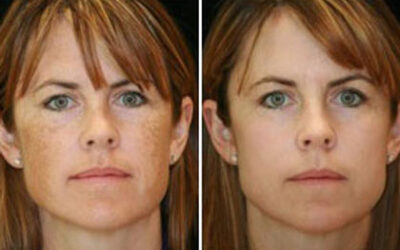
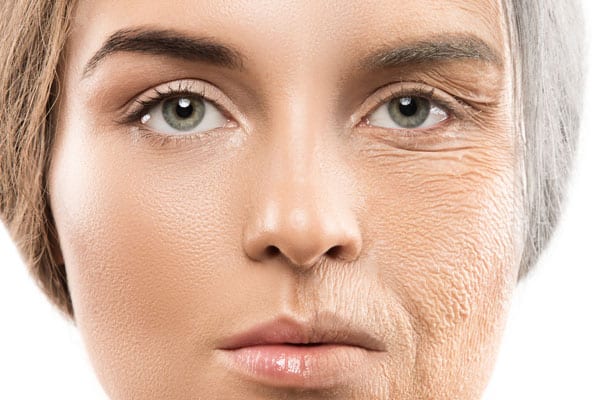
The loss of Collagen is one of the most significant contributors to our observable signs of ageing, such as sagging, dull and wrinkled skin. When our collagen levels are heightened, our skin will be firm, smooth and soft because collagen permits skin cells to revitalise and repair themselves continually. By the time we reach our 80s, we have approximately four times less Collagen than when we were in our youth.
Regardless of your age, making healthy, youthful skin is harder to attain when certain lifestyle and environmental factors also harm your collagen production. Factors that can slow the body’s ability to manufacture Collagen may include:- hormone imbalances, impaired thyroid function, overwork, processed foods, fluoridated water, pollution and dust, hydrogenated cooking oils, nutritional deficiencies, radiation, excessive sun exposure, stress, sugar, poor liver or kidney function, lack of both sleep and exercise.
Health advantages provided by collagen supplementation include:
- Deeper sleep and serotonin release due to its glycine content,
- Better blood clotting and wound healing,
- Decreased joint pain and stiffness,
- Improved gut health and digestion,
- Improved blood pressure and Reduced cardiovascular harm,
- Better glucose tolerance
- Reduced inflammation and oxidative stress and therefore having a positive impact on the health of your skin.
While 28 different types of Collagen are known scientifically, most supplements will contain 1 or more of the 5 most commonly known collagen types:
- Type 1 – makes up about 90% of the Collagen in our body. Nearly all tissue contains Type 1 collagen, including bones, tendons, connective tissue, and cartilage, and it is most abundant in the skin. However, it degrades over time, becoming apparent with the appearance of loss of elasticity, fine lines and wrinkles.
- Type 2 – is found primarily in cartilage and provides the cushion for your bones and joints
- Type 3 – is often found alongside type1 Collagen. It assists with the hydration of our skin, creating cushion or plumpness within the second layer of skin, the dermis.
- Type 4– makes up the thin layer outside the cells, giving them their structure and is found in the skin, kidneys, liver and other vital organs.
- Type 5– helps form keratin cell surfaces in our hair and nails. It is also required to form the cells that create a pregnant woman’s placenta, which is the baby’s life support system inside the womb.
The best way to have beautiful, healthy skin is to work from the inside out. A balanced diet and lifestyle are imperative. Unhydrolised or less-denatured collagen supplementation made from grass-fed beef bones can be added to your diet with bone broth daily. Powdered collagen supplements are also popular and may be added to smoothies each day. A powder that combines both animal and marine Collagen is best. Other nutrients the body requires to synthesise Collagen are biotin (B7), zinc, vitamin C, copper and other trace minerals.
The next component to having healthy, Collagen supported skin is to stimulate your skin regeneration topically with in-clinic professional treatments, a twice-daily home-care regime and good-quality skincare products.
The best way to approach ageing and good health is to work on the inside and outside. The outcome is going to provide the best version of ourselves. Collagen anyone.