Tips for Post-Treatment Skin & Aftercare Essentials
Over the past two decades, the aesthetic profession has grown rapidly. Where once treatments were limited to microdermabrasion, peels, and CO₂ laser, the medical aesthetics industry now provides a wide range of procedures. With this expansion comes the need for carefully considered aftercare that supports and strengthens the skin. Any procedure that affects the epidermis (top layer), dermis (middle layer) or subcutaneous layer (deeper layer) requires focused care in the days, weeks or even months that follow to promote optimal healing outcomes.
When the skin is in a compromised or wounded state, it progresses through several distinct healing phases. During this time, it is essential to avoid potentially irritating ingredients such as dyes, parabens, synthetic fragrances, mineral oils, lanolin and sodium lauryl sulphate. Instead, the focus should be on ingredients and routines that hydrate, repair, and reinforce the skin’s structure.
There are four primary stages of wound healing:
- The inflammatory response begins immediately after injury to the skin or body. The key signs of this phase include swelling, redness, heat and discomfort. During this stage, platelets release growth factors that initiate the healing process.
- The second phase involves re-epithelialisation, granulation tissue formation and angiogenesis. This stage typically starts within the first 24 hours and involves keratinocytes migrating to the wound base, encourageing increased cell turnover and regeneration.
- Granulation tissue development and angiogenesis continue into the second or third day. Fibroblasts play a central role here, driving the formation of new tissue. Blood vessels and extracellular matrix components work together to create structure and protection, supplying oxygen and nutrients while forming a temporary barrier over the affected area.
- The remodelling phase focuses on collagen production and restructuring. Fibroblasts remain critical during this stage, influencing the skin’s texture and strength. Water is gradually reabsorbed, collagen fibres become more organised, and the epidermis appears thicker and more resilient. This phase begins once inflammation subsides and may continue for several months depending on treatment depth.
Throughout the healing process, the skin is particularly sensitive, and anything applied topically has an amplified effect. Each treatment varies in intensity, which means a standardised aftercare routine is rarely appropriate.
Following injectable treatments such as Botox or dermal fillers, it is common to experience redness, swelling, tenderness and mild bruising. Using arnica in the days before and after treatment can be beneficial, as it supports circulation and may help reduce the duration of bruising.
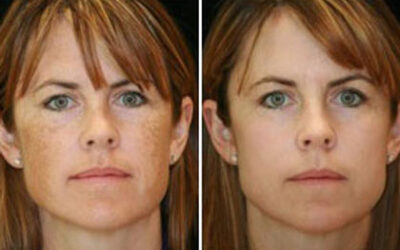
Non-ablative laser treatments use light energy to penetrate the skin and address concerns such as pigmentation, sun damage, visible capillaries and rosacea. In the days after treatment, the skin may feel tight and dry and begin to flake. Incorporating antioxidants, exosomes, peptides and growth factors during this period can help dissipate heat, calm inflammation, support cellular repair, strengthen the skin barrier and improve hydration. These additions not only enhance comfort but also contribute to longer-term skin health and improved results.
More intensive treatments such as ablative laser, deep microneedling and chemical peels work by removing or disrupting the outer layers of the skin to stimulate fibroblast activity and renewal. During recovery, ingredients like Indian ginseng, D-alpha-tocopherol and squalane are particularly effective. They help minimise trans epidermal water loss while restoring and reinforcing the skin barrier.
It is vital to pay close attention to both the ingredients used and their quality when undergoing any medical-grade procedure that leaves the skin vulnerable. Proper aftercare is just as important as the treatment itself and plays a key role in preventing complications such as pigmentation or scarring. When aftercare is taken seriously, the difference in results can be significant.